
Separate the first installation from the larger plan
An older Cogentrix presentation hosted by Massachusetts describes phased battery redevelopment at West Springfield Station, using parking and outbuilding areas. It is a design concept, not evidence of current permission or construction. It illustrates why an owner should distinguish the first stage from the full arrangement.
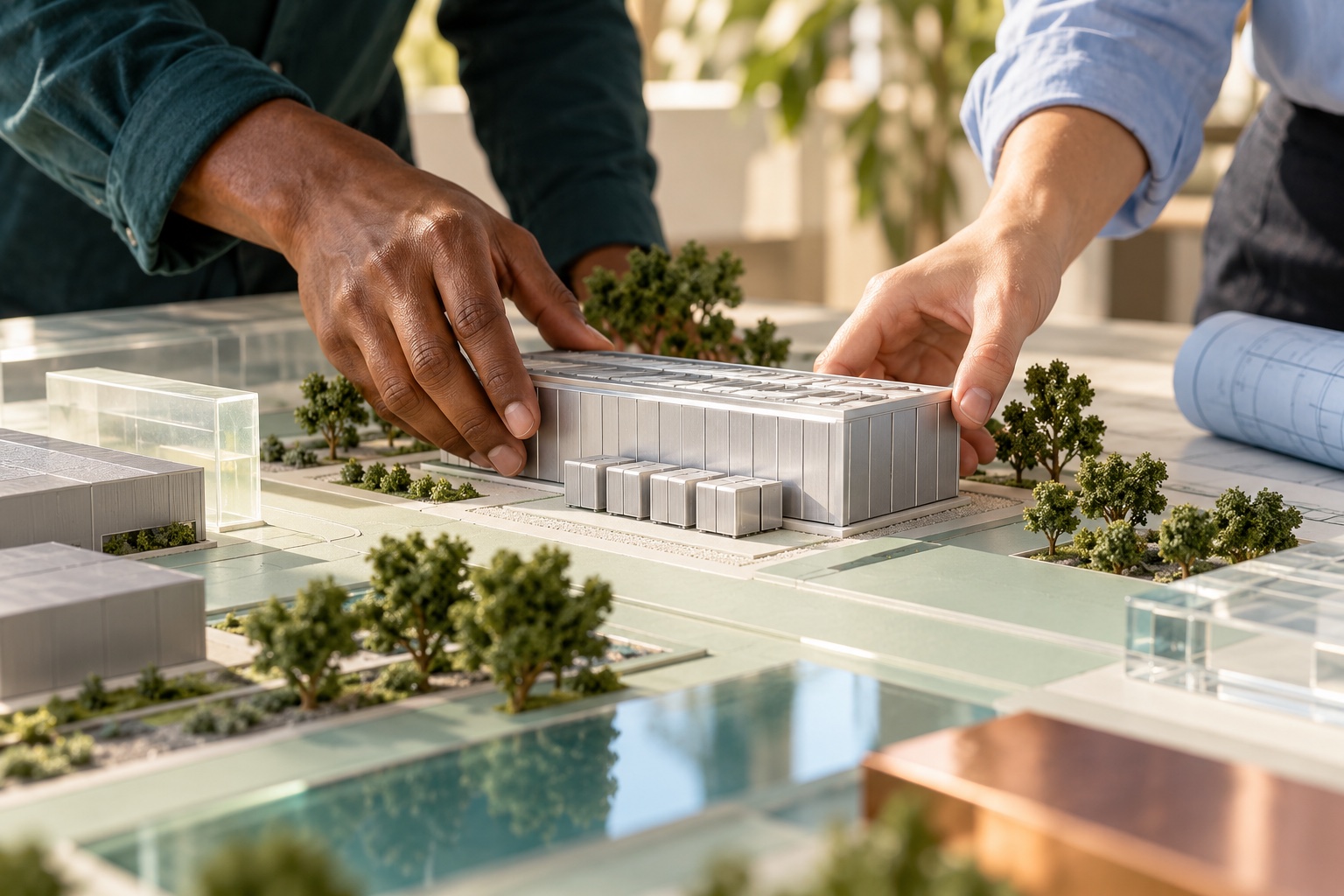
Ask the company to mark the first battery installation, possible later equipment and shared roads or cables on one drawing. Have it explain which areas it needs immediately and which it wants to hold for a future decision.
Then compare the drawing with the agreement’s land description. Does the document reserve every future stage now? Can the company choose the final boundary later? Identify changes that need your agreement and how you would receive the revised drawing.
A plan may leave open ground between equipment areas. Ask what you can actually do there while it is reserved. Continued farming, tenant parking, buildings or drainage maintenance should be addressed in the reviewed documents.
Ask when each payment begins
Request a payment schedule for the situation in which only the first stage operates. Which acres receive operating rent, which remain under reservation payments and which are unpaid? Ask how the agreement measures the area at each stage.
Discuss construction periods separately from operating periods. If the company starts work on one area while studying another, identify the payment that applies to each. Do not rely on a single opening date to explain several different rights.
For example, an offer might reserve two fields while initially building in one. The useful question is what you receive for the second field while it remains reserved and when you can use it freely again.
Have your adviser check any payment triggers tied to commercial operation, equipment installation or a company notice. Ask what happens if one stage starts late, is redesigned or never proceeds.
Put an end date on unused reservation rights
Ask how long the company can hold each future area. Can it extend that time, how does it notify you and what does an extension cost? Discuss the outcome if you do not want the land held longer.
Identify a release process for unused land and unnecessary recorded rights. Who prepares the documents, pays the cost and confirms completion? A statement that the company probably will not need an area does not explain how the legal restriction ends.
Ask which milestones the company must report while it holds the space. Keep approval work, connection studies and construction decisions separate. A milestone for the first stage may tell you little about whether the next stage can proceed.
If an agreement covers a much larger area than the first drawing, have the reason explained. You should understand the scope of the commitment before deciding whether the reservation payment suits your plans.
| Stage or area | Question to resolve |
|---|---|
| First installation | When do construction and operating payments start? |
| Later reserved area | How long is it held and what are you paid? |
| Shared roads and cables | Which rights continue if a later stage stops? |
| Unused land | Who releases rights and repairs disturbance? |
Want to ask about your land?
Send the location and what you know. You don’t need a project plan.
Tell us about your landPlan for construction after the first stage opens
Ask whether later work would use the same entrance as the operating equipment, your farm or tenants. Discuss deliveries, staging, notice, gates and keeping a usable route open.
Mark temporary work areas for each stage. Would the company need to occupy a field or parking area again after initially returning it? Ask whether those repeat entries are already granted and how damage and loss of use would be handled.
Request a contact for construction concerns and a separate operating contact if different people handle them. Explain who depends on the property and when blocked access would cause a problem.
Before each new stage, compare the latest plan with retained uses and baseline records. A road, ditch or surface may have changed since the original investigation. Agree on how new disturbance will be documented and repaired.
Check what happens to shared facilities
A road, cable route or electrical facility may serve more than one stage. Ask who owns it, who maintains it and which part of the land remains subject to rights if another stage is canceled.
If different companies would control the stages, identify who owes each payment and who handles damage. Ask how responsibilities would be carried through a project sale or transfer.
Have the team explain the approval and electrical connection needed for each stage. An approval or connection for the first installation does not by itself explain the route for every future design.
For an existing solar or industrial site, bring the current agreements into the review. Check whether shared access, equipment space or electrical rights have already been promised to someone else.
Review removal and an early exit stage by stage
Ask for a removal plan that matches the final layout and the land condition you want restored. Which equipment, roads and cables serve only one stage, and which would remain while another operates?
Discuss who funds removal and how the estimate changes when equipment is added. Ask who can claim the funding if the responsible company fails. Have the public documents and your private agreement reviewed together.
Also cover a stage that ends after investigation or partial construction. Who repairs the area, removes unfinished work and releases rights? An operating project’s end-of-life plan may not answer those earlier events.
If you want to retain a road or other improvement, identify that choice separately. Understand how it affects the work, funding and future uses rather than leaving it to an informal conversation years later.
Tell us about the proposal and your priorities
Start with your name, email and phone, then the property location. Acreage and a parcel number are optional. You do not need a final layout to ask about the land.
Mention whether the offer covers several stages, what you have been asked to sign and which areas or uses you want to retain. Tell us about an existing agreement or deadline affecting your decision.
Sending the form starts a conversation with Sunland America. It does not reserve land, authorize entry or authorize a filing. Further review needs the actual rights, design, approvals, connection and commercial terms.
Questions landowners ask
Should a phased proposal have more than one drawing?
Ask for a plan that clearly distinguishes each stage and all shared facilities. Compare it with the land description and rights in the agreement.
Does building the first stage release unused land automatically?
Do not assume so. Have the reservation term and release process explained in the actual documents.
Can different stages have different payment dates?
Ask how the offer handles each area during reservation, construction and operation, including the case where a later stage never proceeds.
Can I contact Sunland with an early concept?
Yes. Send the location and what you know, including the uses you want to keep. Acreage and a parcel number are optional.
Sources & further reading
Sources checked 2026-10-05. Local rules and program details can change. Check the requirements for the actual project.