
Ask about the equipment being proposed
Find out which battery system is being considered and which safety testing and installation requirements apply. A general statement that batteries are safe does not explain how a particular installation will be reviewed.
Ask who is responsible for checking the design and what the local fire or code officials need to review. Equipment choices and applicable requirements can change, so use the actual proposal rather than an old picture of another site.
Reference: U.S. Department of Energy: storage safety strategy · NYSERDA: battery storage siting guidebook
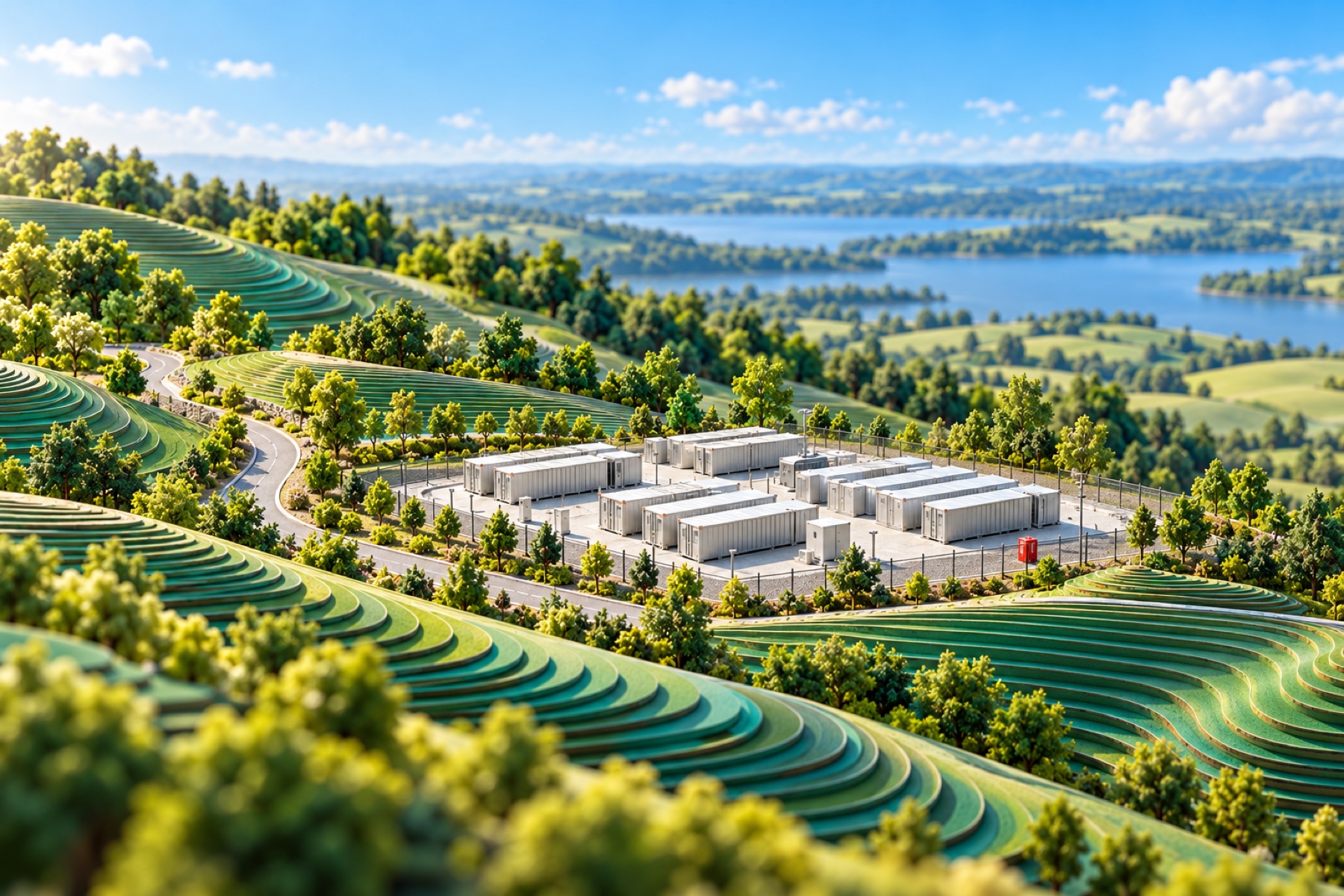
Put emergency access on the site map
Ask where emergency vehicles would enter, how they would reach the equipment and whether the entrance is shared with other uses. Discuss the plan with the people responsible for reviewing it, rather than assuming a normal farm or business driveway is sufficient.
Ask what contact information and site instructions would be available during an incident. If you keep using nearby land, ask what you would need to know about access and notification.
Ask for a noise review tied to nearby uses
Battery sites can include equipment such as cooling systems and electrical equipment. Ask where these would be placed and what assessment is proposed for nearby homes or businesses. Distance, layout and equipment matter to that discussion.
Do not rely on a promise that a facility is “silent.” Ask what operating conditions were considered and how any required limits would be addressed. If noise is a concern for your home, name the location clearly on the map.
Want to ask about your land?
Send the location and what you know. You don’t need a project plan.
Tell us about your landKnow who maintains the land and equipment
Ask who handles vegetation, fencing, drainage, the driveway and equipment upkeep. If the land is shared with a business or farm use, find out how maintenance visits will be coordinated.
Ask how damage is reported and repaired. These duties should be addressed in the proposal, not left to a general assurance that the developer will take care of everything.
Read the removal plan before the end is near
Ask who removes the equipment and restores the land when the project ends. Identify what happens to foundations, underground lines, access roads and fencing. You may want to retain some improvements, but the choice should be clear.
Ask how removal is funded, how that funding is maintained and what happens if the operator changes or cannot complete the work. Review those answers alongside the agreement. A removal plan and an enforceable responsibility are different parts of the discussion.
Questions landowners ask
Can you promise that a battery project has no safety risk?
No. Ask about the actual equipment, design, testing and emergency plan. Those details need project-specific review.
Will I be responsible for removing the batteries?
The actual agreement needs to say who is responsible and how the work is funded. Do not infer it from a rent offer.
Should neighbors be considered in the layout?
Yes. Tell the reviewer about nearby homes, businesses and shared access so they can be considered in the proposal.
Sources & further reading
Sources checked 2026-10-03. Local rules and program details can change. Check the requirements for the actual project.