
Ask which use is being proposed
A battery can serve a building or connect directly to the utility system. A building battery may be intended to manage that customer’s electricity use. A standalone land project has a different purpose and needs its own connection and site review.
If someone asks to lease your land, ask whether they are proposing a standalone project or equipment tied to an existing building. That helps make later questions about the layout and connection more specific.
Reference: U.S. Department of Energy: energy storage
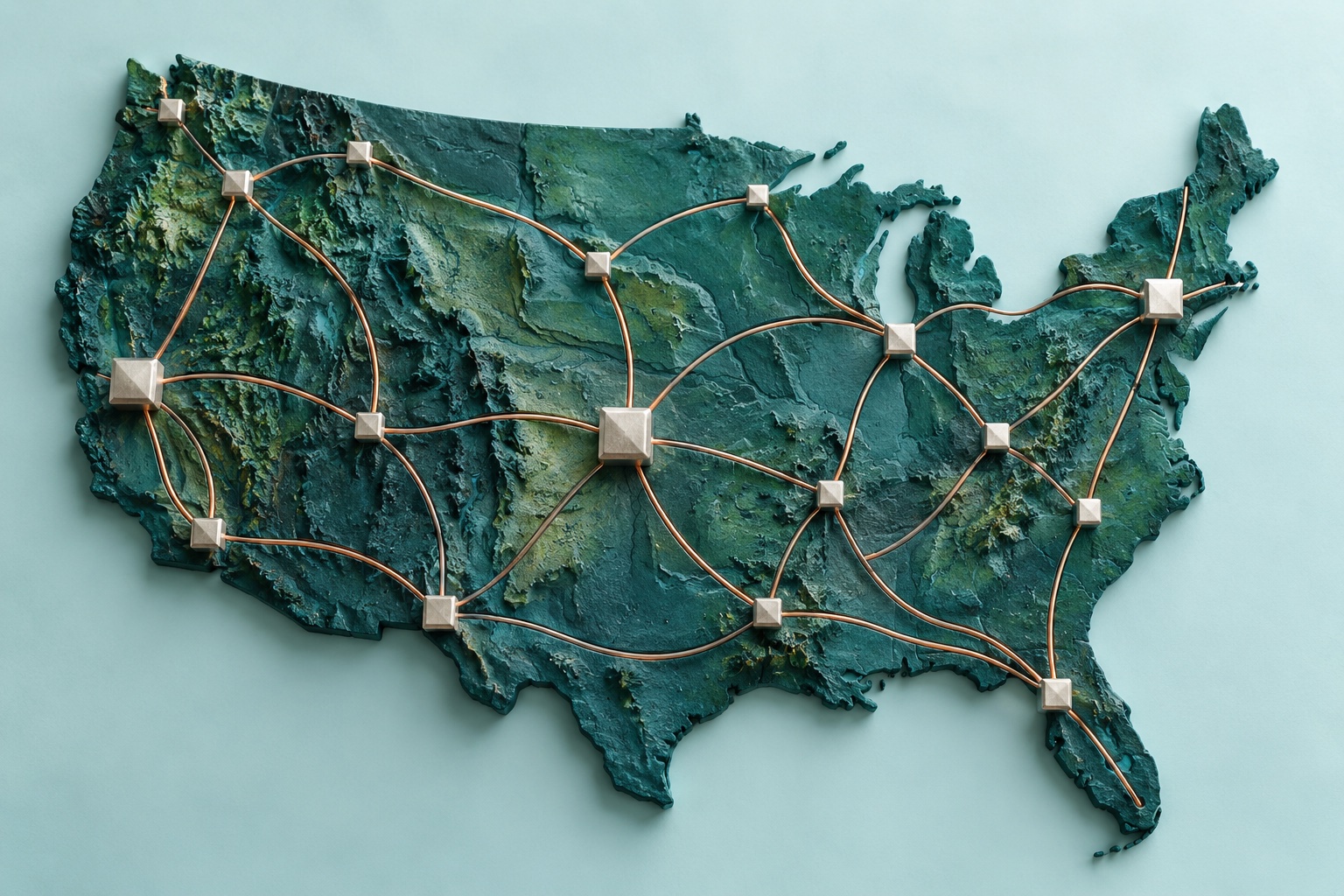
Separate project size from land size
A smaller project may have a different footprint from a larger facility, but it still needs equipment space, vehicle access and room for applicable clearances and drainage. Do not assume it can fit into any unused corner.
Power and stored energy describe different things. Megawatts, or MW, describe power at a moment in time. Megawatt-hours, or MWh, describe an amount of energy. Neither is a land-area measurement. An owner can provide acreage without calculating either.
A local connection still needs investigation
Distribution lines were not all built for the same uses or loads. The proposed charging and discharging must be reviewed. A nearby pole or commercial electric service does not establish that a standalone project can connect.
Ask the developer which utility process applies and whether the project is at an early inquiry, application or completed-study stage. Those stages should not be presented as interchangeable.
Reference: NREL: review of storage interconnection
Want to ask about your land?
Send the location and what you know. You don’t need a project plan.
Tell us about your landCheck programs against the actual project
A state may support more than one storage use. A program for a home battery or an existing business may have different rules from one for a grid-connected project on land. Ask for the name and current requirements of the program being discussed.
Do not choose a land agreement based only on an expected incentive. Ask how the proposal works if funding, timing or eligibility differs from what the developer expects.
Describe your property without the jargon
You can say: “I own a commercial parcel with an open area beside the driveway,” or “I would consider a few acres beside the farm entrance.” Add the location, county and state. Include the utility name and acreage if known.
You do not need to decide whether your land is a DG site. Sunland can begin with the property information and may ask for maps or other details. A later project review determines which route, if any, could fit.
Questions landowners ask
Does DG mean the battery must supply my building?
Not necessarily. Ask whether the proposal serves a customer or connects directly to the distribution system.
Is DG automatically eligible for an incentive?
No. Each program has its own rules for the actual project and application.
Is this only for farms?
No. You can ask about commercial land and other parcels as well. Each site still needs its own review.
Sources & further reading
Sources checked 2026-10-03. Local rules and program details can change. Check the requirements for the actual project.