
Tell us what part of the property could be available
Include the county and nearby city or town, along with a street address or road. If you have a parcel number, add it; you can still begin without one. Explain whether you could consider a lease, sale or either.
For a working property, describe the uses that must continue. That could include a grazing area, equipment yard, deliveries, tenant parking or a planned building. Identify entrances and routes that other people rely on, even if they sit outside the area you would offer.
Mention known easements, flood or drainage concerns and existing agreements affecting the land. You do not need to resolve those questions before contacting us. A note about what you know is more useful than trying to guess a battery size.
Ask which connection process the proposal would use
The developer should identify the electric utility or service provider, proposed connection point and project purpose. An electric bill is a useful starting record for an existing building, but the connection for a separate battery project still needs to be investigated.
APS provides a FERC generator-interconnection route for covered generation connecting to the regional transmission grid. SRP publishes separate guidance for its distribution system. These examples show why an application must match the proposed system and use; they are not interchangeable statewide approvals.
Ask for the name and date of any actual application, study or agreement. What has been completed, what costs remain and who will carry out the next step? A line on a map or a nearby substation does not answer those questions.
Reference: APS: FERC generator interconnections · SRP: electrical specifications and distribution interconnection guidance
Identify who reviews the land use
Confirm whether the parcel is within a city or town or in an unincorporated county area. A mailing address can be different from the jurisdiction responsible for zoning. Ask the developer to name the reviewing office for the actual site.
Maricopa County, for example, publishes rules for its unincorporated areas and distinguishes grid-service batteries from on-site-load systems. Its requirements should not be applied to another county or an incorporated city simply because both locations are in Arizona.
When someone says the property is zoned correctly, ask what site review and construction permissions are still needed. Keep those records separate from the electrical connection and the proposed agreement with you.
Reference: Maricopa County: current ordinances and code versions · Maricopa County: zoning ordinance, December 10, 2025
Want to ask about your land?
Send the location and what you know. You don’t need a project plan.
Tell us about your landCompare the equipment area with all the rights requested
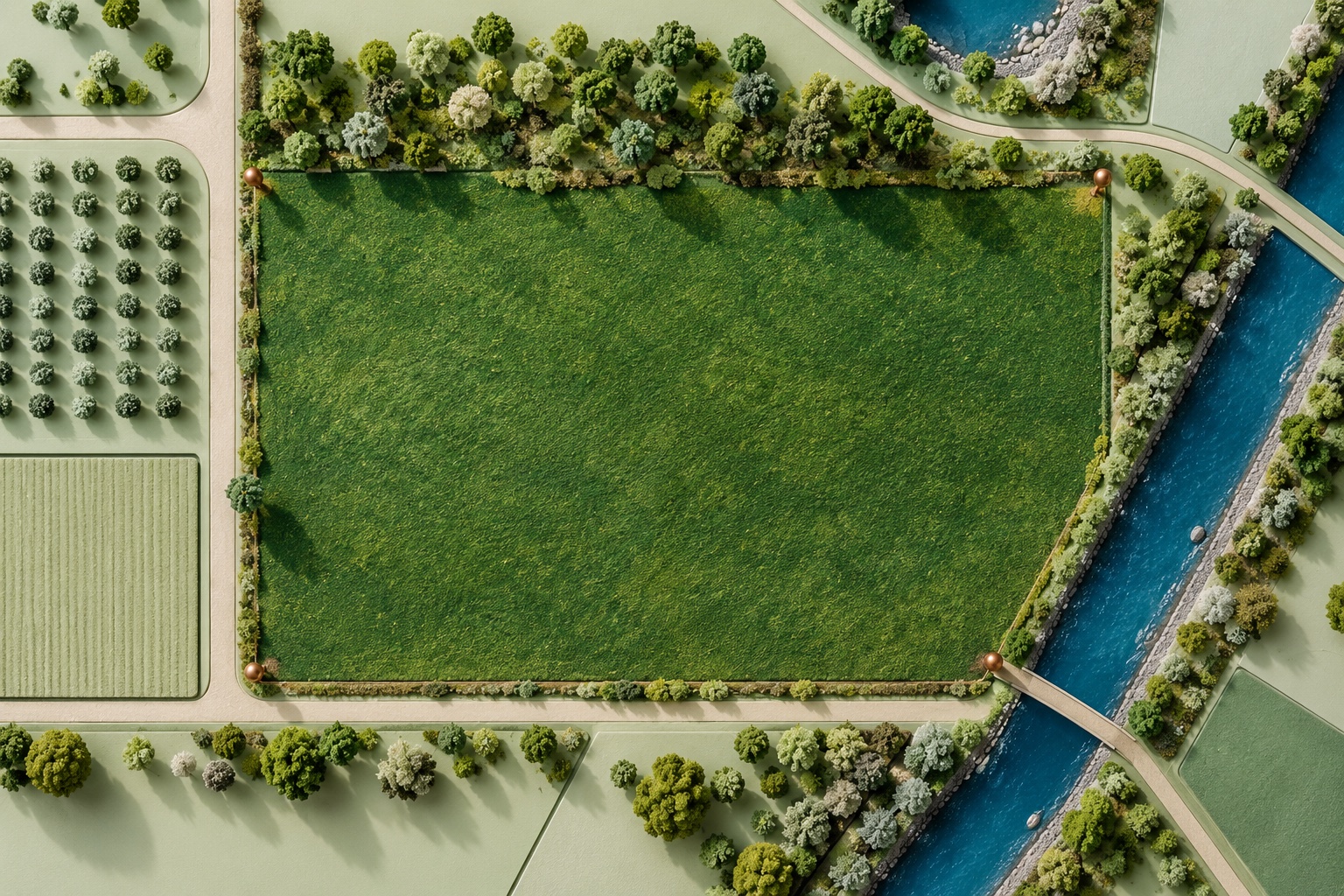
Ask for a drawing showing the batteries, entrance, internal roads, utility route and temporary work areas. Space used during construction may differ from the area needed in operation. The drawing should also show the land and routes you intend to keep.
If the proposal includes cooling equipment, lighting, fencing or screening, ask where it would go and who maintains it. Discuss drainage and emergency access using the actual layout. Do not assume that a small equipment footprint means the rest of the parcel is unaffected.
Before agreeing to a broad reserved area, ask how it would be reduced when the design is settled. How are unused areas released, and what happens if another entrance or cable route becomes necessary?
Put payments and the remaining work on the same timeline
Write down the payment for each stage: an initial hold or option, extensions, construction and operation. Ask what starts each payment and how long the company may investigate before deciding whether to proceed.
Compare that timetable with the connection and site-review work still outstanding. A planned project or a utility study is not, by itself, a promise of rent. The actual written proposal should explain your rights if work is delayed or the company stops.
Use the property inquiry form to begin a conversation with Sunland. Your contact details and the land’s location come first. Acreage and parcel number are optional, and you can say that you are exploring rather than choosing a lease or sale now.
Questions landowners ask
Do all Arizona battery projects use the same utility application?
No. Identify the proposed utility, system and project use. The responsible utility should confirm which route applies.
Should I use county rules if my mailing address names a city?
First confirm the parcel’s actual jurisdiction. A mailing city name does not establish who handles zoning.
Do I have to offer the whole property?
No. Describe the portion you could consider and the uses you need to keep. Ask that temporary areas, access and utility routes also be mapped.
Sources & further reading
Sources checked 2026-10-06. Local rules and program details can change. Check the requirements for the actual project.