
Start with the city or town and the parcel
Include the municipality, county, address or nearby road, and a parcel number if available. Describe current buildings or activities and which area could be available. You can submit land without knowing its zoning classification.
If the property is already served by an electric utility, share the utility name. If you have only a map of nearby power lines, say that. Knowing the location of a line is different from knowing whether a battery can connect to it.
Use current permitting guidance
Massachusetts DOER’s 2026 siting guidance describes a consolidated local permitting pathway for small clean-energy projects. Its timeline says municipalities must offer that pathway by October 1, 2026. Larger projects have a separate state process through the Energy Facilities Siting Board.
For an owner, the useful question is: “Which process would this proposal use, and which office can confirm that?” A new process does not remove the need to review the site and project. Ask the developer to explain its approval plan using current guidance.
Reference: Massachusetts DOER: clean energy siting and permitting · Massachusetts EFSB: consolidated permitting
Ask how the layout affects neighbors and your own use
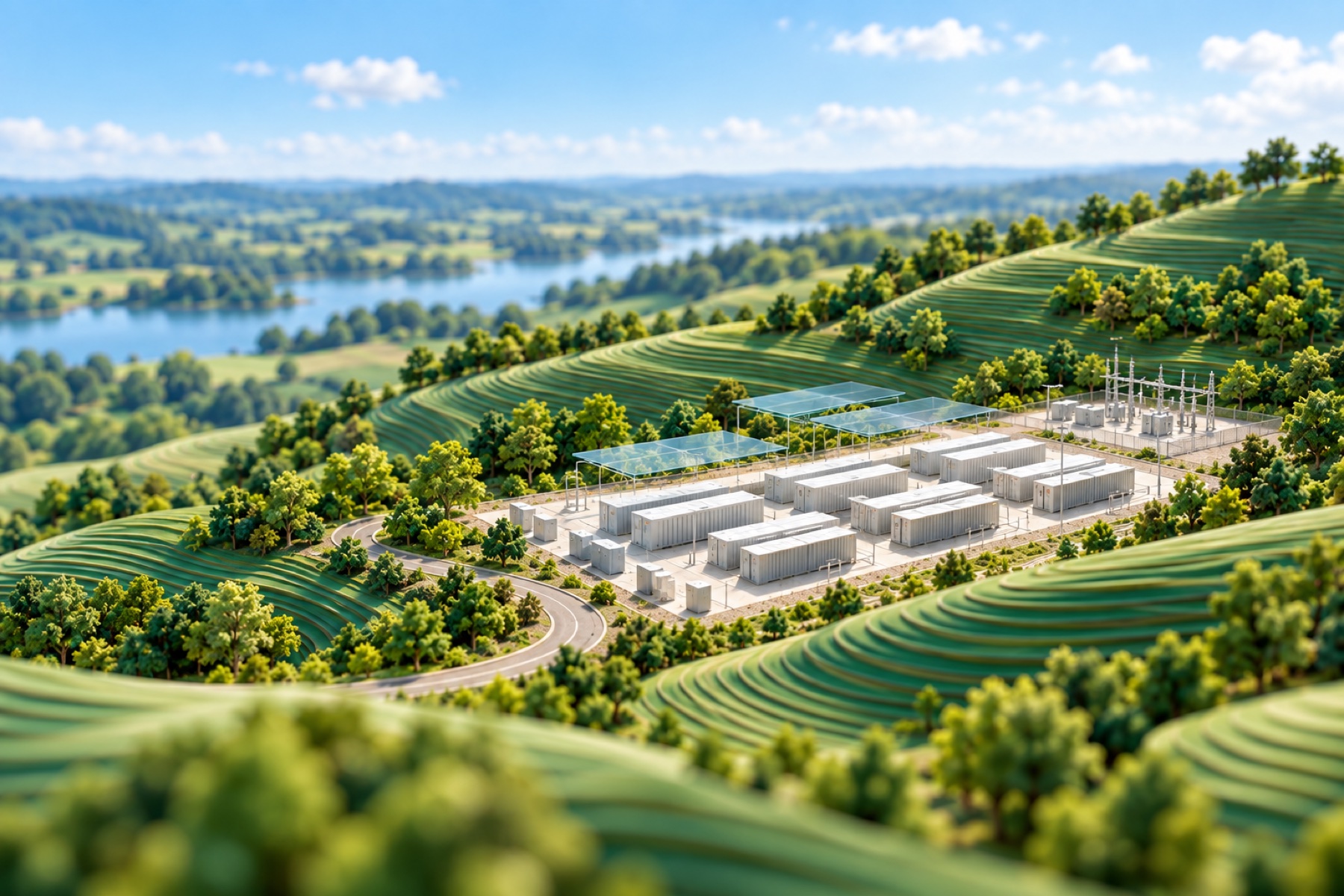
Describe nearby homes, businesses and shared entrances. Ask where the equipment would sit, how vehicles would enter and whether screening is proposed. A drawing should show more than the battery enclosures.
If you plan to build on the remaining property, make that clear early. Ask whether reserved land, setbacks or utility access could limit those plans. This is easier to discuss before an agreement than after a layout has been developed.
Want to ask about your land?
Send the location and what you know. You don’t need a project plan.
Tell us about your landKeep permit questions separate from payment questions
Ask what the developer can investigate during an option and when rent would start under an operating lease. A permit application or a state policy announcement is not the same as the start of rent.
Review the time allowed for investigations, any extension rights and the payments during each stage. If a project does not proceed, ask how the agreement ends and what happens to any recorded rights affecting the land.
What helps us begin
The form asks for your name, email, phone and the property location. Additional details are optional. A note about the land’s current use, access and the area you would consider is helpful if you know it.
You can say you are just exploring. Sunland reviews the information and may ask for a map or other records. You do not commit your property to a project by sending the form.
Questions landowners ask
Are older permitting guides still reliable?
Some may describe an earlier process. Use the current DOER and EFSB resources, and ask which requirements apply to the actual proposal.
Can a smaller commercial site be reviewed?
Yes, you can ask about it. Available space, access, connection costs and approvals determine whether it can proceed.
Does a quicker permitting pathway guarantee a project?
No. The project still needs a workable connection, site layout and commercial plan, as well as the applicable approvals.
Sources & further reading
Sources checked 2026-10-03. Local rules and program details can change. Check the requirements for the actual project.