
Start with the new space and routes being requested
The July 8, 2020 decision describes two equipment pads off the capped landfill: one for a battery system and one for transformers and an inverter. Adding the second pad required a slight change to the access road. MassDEP approved the modification with conditions.
For an offer involving your land, request a drawing that shows all the areas the company would use. Identify the battery, other electrical equipment, permanent road, construction access and temporary work space. Ask the team to explain changes from the existing plan.
Compare those areas with what you already allow on the property. A battery beside an existing solar project may need additional rights even if its equipment occupies relatively little space. Ask which rights the company believes it already holds and which it wants you to grant now.
Keep a dated copy of the drawing with the proposed documents. If the layout later changes, you should be able to see whether it still fits the agreed area and the uses you retain. Discuss how a new drawing would be reviewed and accepted.
Reference: MassDEP: Chelmsford battery and access-road modification decision, July 8, 2020
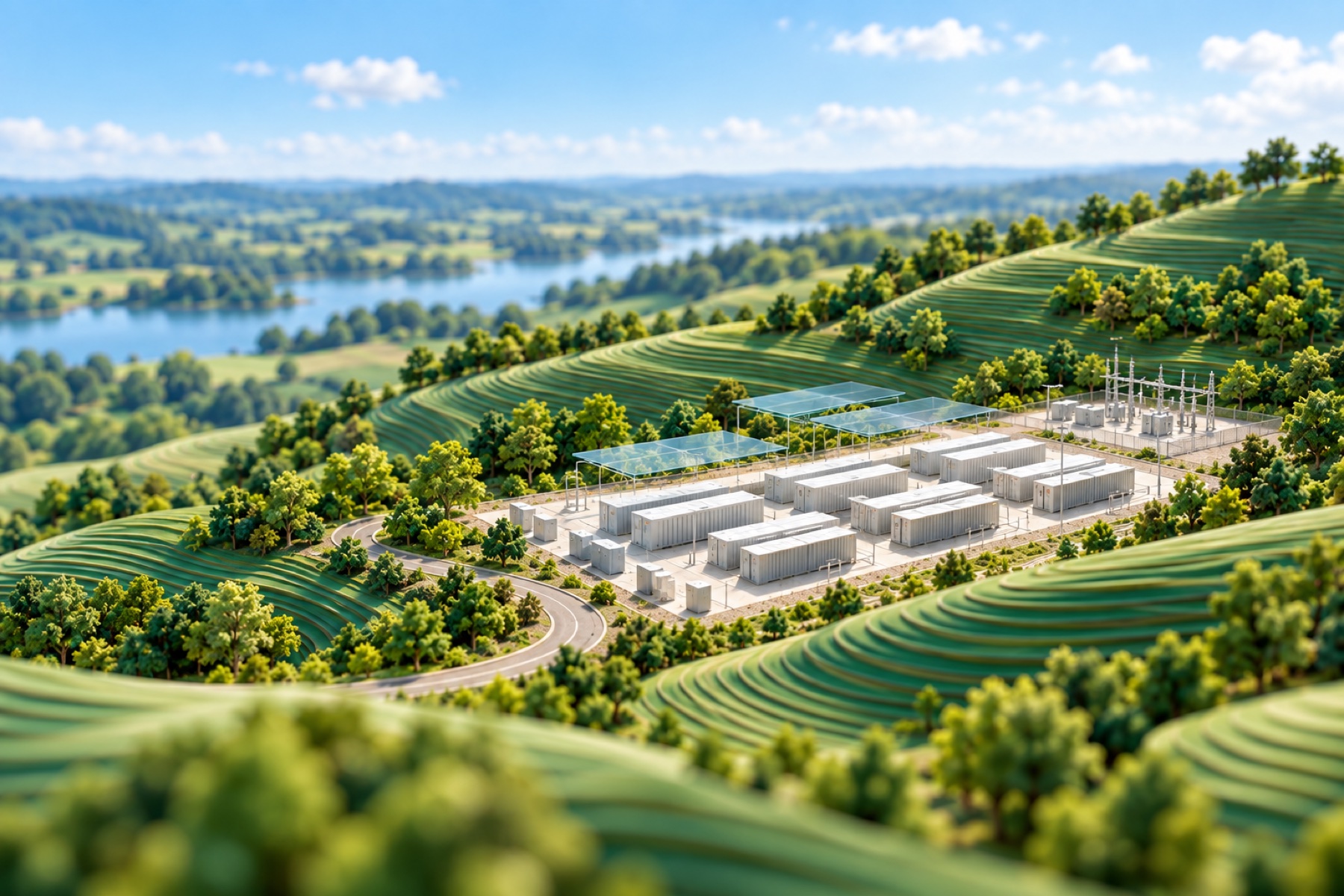
Review a changed road from your side of the property
A road that shifts only a short distance can matter if it affects a gate, a tenant’s route or space you use for deliveries. Walk the proposed route and explain what happens there today. Include uses that are occasional but important, such as seasonal equipment access.
Ask how deliveries would reach the site during construction and how maintenance would reach it afterward. Those trips may use different vehicles and different areas. Request the temporary arrangement as well as the final road drawing.
Identify shared sections and crossing points. Who controls a shared gate? How will access remain available when work is underway? Discuss notice, blocked routes, surface repairs and the person to contact if an access problem occurs.
Look beyond the road itself. Explain drainage features, utilities and property boundaries near the proposed alignment. Ask whether the change creates another request for land or permission that is not yet shown in the offer.
| Compare on the drawing | Resolve in the agreement |
|---|---|
| Equipment pads | Which additional area would be granted? |
| Permanent road | Who may use it and maintain it? |
| Construction access | What temporary use is allowed, and for how long? |
| Retained areas | Which existing uses must remain reachable? |
Ask how the modification fits the existing approvals
The Chelmsford modification keeps the earlier approved plans and conditions in effect except where the new decision changes them. It also limits its authorization to the described work and notes that additional changes may need further notification or an application.
Ask the team for the original approval, the modification and the drawings they reference. Request a straightforward list of conditions that still apply. A short modification document may rely on requirements in the original permit.
For your proposal, ask which reviews cover the new equipment and routes. Public permission and private land rights need to match the actual design. An approval does not by itself explain the compensation or consent required under your agreement.
When someone says an approval milestone is complete, ask for the dated record. Then ask what remains before construction and operation. Keep the development schedule separate from the payment schedule so you know which events affect your income.
Reference: MassDEP: Chelmsford Swain Road landfill solar permit, July 13, 2018 · MassDEP: Chelmsford battery and access-road modification decision, July 8, 2020
Want to ask about your land?
Send the location and what you know. You don’t need a project plan.
Tell us about your landKeep existing site work and inspection access possible
The original Swain Road decision describes the developer’s upkeep within the fenced solar area and continuing town responsibility for landfill post-closure work and environmental monitoring. Those arrangements belong to the named project and its documents.
If your property has existing inspections or maintenance, identify who performs them and where access is needed. Ask how those activities will continue with the proposed battery fence, road and equipment in place.
Discuss coordination before work starts. Who checks the construction route against the existing site plan? Who receives notice of an unexpected condition or damage? Who arranges the repair? Ask that the responsibilities be clear to the people doing the work.
An equipment pad outside one protected area does not settle all questions about the surrounding property. Ask what records and checks apply to the actual pad, road and electrical route. If the team needs investigation access, review that request separately from the long-term lease.
Reference: MassDEP: Chelmsford Swain Road landfill solar permit, July 13, 2018
Review compensation and timing for the added rights
If a company asks to extend an existing project, compare the new request with your current agreement. Is it seeking more leased land, a wider access right, a different use of the same area or a longer term? Ask it to state the request plainly.
Discuss how each change would be compensated. Are investigation and reservation periods paid? When would a payment for the added operating area begin? What happens if the modification is delayed or the company decides to proceed with only part of it?
Ask whether an extension affects the end date for the original project. Review removal and restoration for both the existing equipment and the addition. You should understand what happens if one part stops operating while the other continues.
Have your advisers review the proposed amendment alongside the existing agreement. Check transfer provisions, responsibility for damage, ongoing maintenance and the uses you retain. Do not rely on a description of the change as minor to answer those private questions.
Send the location and describe the proposed addition
Start with your name, email and phone, then the property location. Massachusetts and Middlesex County are selected in the form and can be corrected. Approximate acreage and a parcel number are optional.
Tell us whether the property already hosts solar or another energy facility. Mention an existing option or lease, the area being requested and any deadline in a new offer. Explain which access or business uses must remain available.
If you have a revised layout, say what appears to have changed and what you want clarified. You can contact Sunland without having every permit or technical document. The first step is understanding the property and your question.
An inquiry does not grant entry or reserve the land. The project’s connection, permissions, land rights and commercial terms need their own review. The Swain Road decision supplies a concrete example, rather than a finding that nearby property is ready for development.
Questions landowners ask
Does a battery addition always fit an existing solar lease?
Review the actual lease and new request. Equipment pads, roads, electrical routes or a longer term may require an amendment or additional rights.
Does the 2020 decision establish that the Swain Road battery is operating?
No. It records approval of a described modification with conditions. Completion and current operation require separate evidence.
Can a road change matter even if the battery is small?
Yes. Compare it with gates, shared access, deliveries, drainage and other uses you need to retain.
Can I ask about an offer before gathering all the permits?
Yes. Send the location, contact details and what you know about the request. Acreage and a parcel number are optional.
Sources & further reading
Sources checked 2026-10-06. Local rules and program details can change. Check the requirements for the actual project.