
The project record shows more than battery equipment
The Massachusetts Medway Grid proceeding describes a 250 MW/500 MWh proposal, a project substation and a transmission connection to West Medway Substation. It is a large-project example, not a template for every smaller site in town.
For your property, ask what the whole proposal includes. Does it need a new substation, a separate utility route or work on neighboring land? A battery enclosure footprint alone will not show every area affected by the agreement.
Reference: Massachusetts: Medway Grid project proceeding
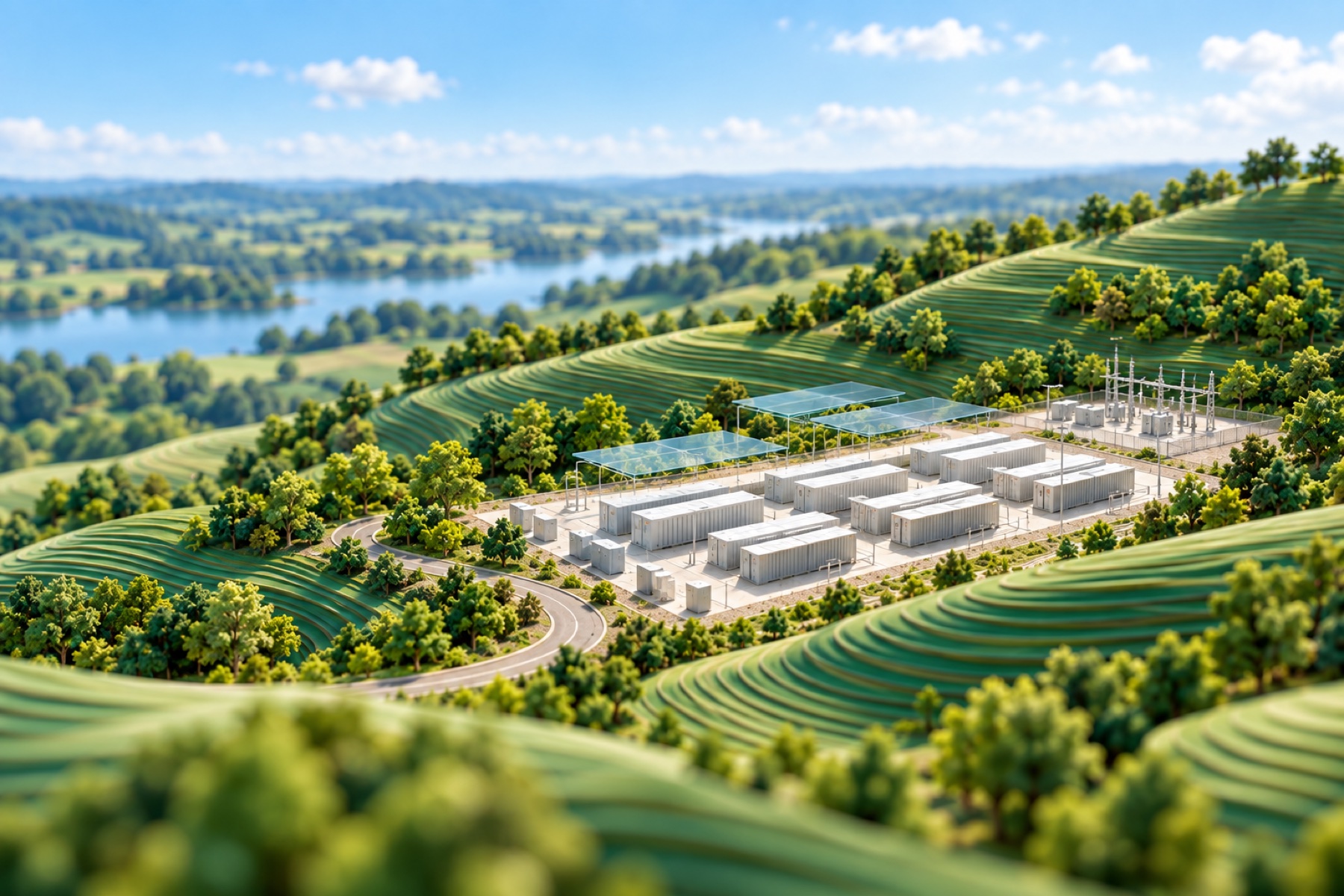
A layout can change after the first discussion
The town’s project document page includes 2024 responses concerning layout changes, local permit status and sound-wall alignment. That record is a practical reminder to ask which version of the drawing your agreement describes.
Before agreeing to an option, ask how the final equipment area will be chosen. Request a process for reviewing changes to the entrance, screening, cable route or land reserved. If you plan to keep part of the parcel, mark the areas that must remain available.
Reference: Town of Medway: project documents and layout changes
Town agreements are different from your land payment
Medway’s page also separates host-community agreements from payment-in-lieu-of-tax materials. Those public documents concern the project’s arrangements with the town. They are not comparable landowner rent offers.
Ask for your own payment schedule: what is paid during investigation, when lease payments begin and how they change over time. If someone uses another project’s public payment figure to discuss your offer, ask exactly what that number covers.
Reference: Town of Medway: project documents and layout changes
Want to ask about your land?
Send the location and what you know. You don’t need a project plan.
Tell us about your landUse the current approval route
Massachusetts DOER’s current permitting page says municipalities must offer the consolidated local pathway for eligible small clean-energy projects by October 1, 2026. An older large-project proceeding does not determine which route a new proposal uses.
Ask the town and developer to identify the process for the actual project, including any separate land or environmental questions. Do not choose a permitting route simply because your acreage resembles another site.
Reference: Massachusetts DOER: current clean-energy permitting process
Show the uses you need to retain
Include existing buildings, tenants, access and future plans in your first property description. If only part is available, explain how you will reach the rest. A transmission or utility corridor can affect land outside the battery compound.
Ask who maintains shared access, documents drainage conditions and restores areas used during construction. Those details matter even if the equipment is set well back from the road. Keep the written rights consistent with the drawing.
Send a location and your questions
Contact details and a property location are enough to start. Add a parcel number, utility and approximate area if known. You do not need to calculate an electrical rating or complete a permit application.
Tell Sunland whether a lease, sale or either could be considered and what part you want to keep. Public records help explain the questions to ask; an initial review still needs to investigate the actual parcel before discussing feasibility.
Questions landowners ask
Does the Medway Grid record qualify nearby land?
No. It concerns a specific project, layout and connection. A different parcel requires its own investigation.
Are town payments the same as landowner rent?
No. Public town agreements and private landowner terms cover different obligations.
Can I ask about a smaller site?
Yes. Describe the available area and current use. A smaller proposal may have a different connection and approval process.
Sources & further reading
Sources checked 2026-10-04. Local rules and program details can change. Check the requirements for the actual project.