
A permit extension and a land extension are different
The January 28, 2026 minutes record a vote allowing a two-year extension for the Park Drive solar-and-battery project’s existing Order of Conditions. The commission separately voted on an amended order with special conditions. This is a record of those decisions, not a complete account of the project’s current construction or operating status.
If a developer asks you for more time, ask which document it wants to extend. A public permit date, your option deadline and the start of lease payments can each be different. Put them side by side before agreeing to a change.
Ask what the company has completed and what remains. What will it do during the additional period, who is responsible and what payment would you receive while the land stays reserved?
Have your adviser explain the private agreement’s actual deadlines and release provisions. A public extension does not, by itself, tell you whether the company can continue holding your land or what it owes you.
Reference: Acushnet Conservation Commission: January 28, 2026 minutes, Park Drive extension and amendment votes
Compare the revised drawing with the original offer
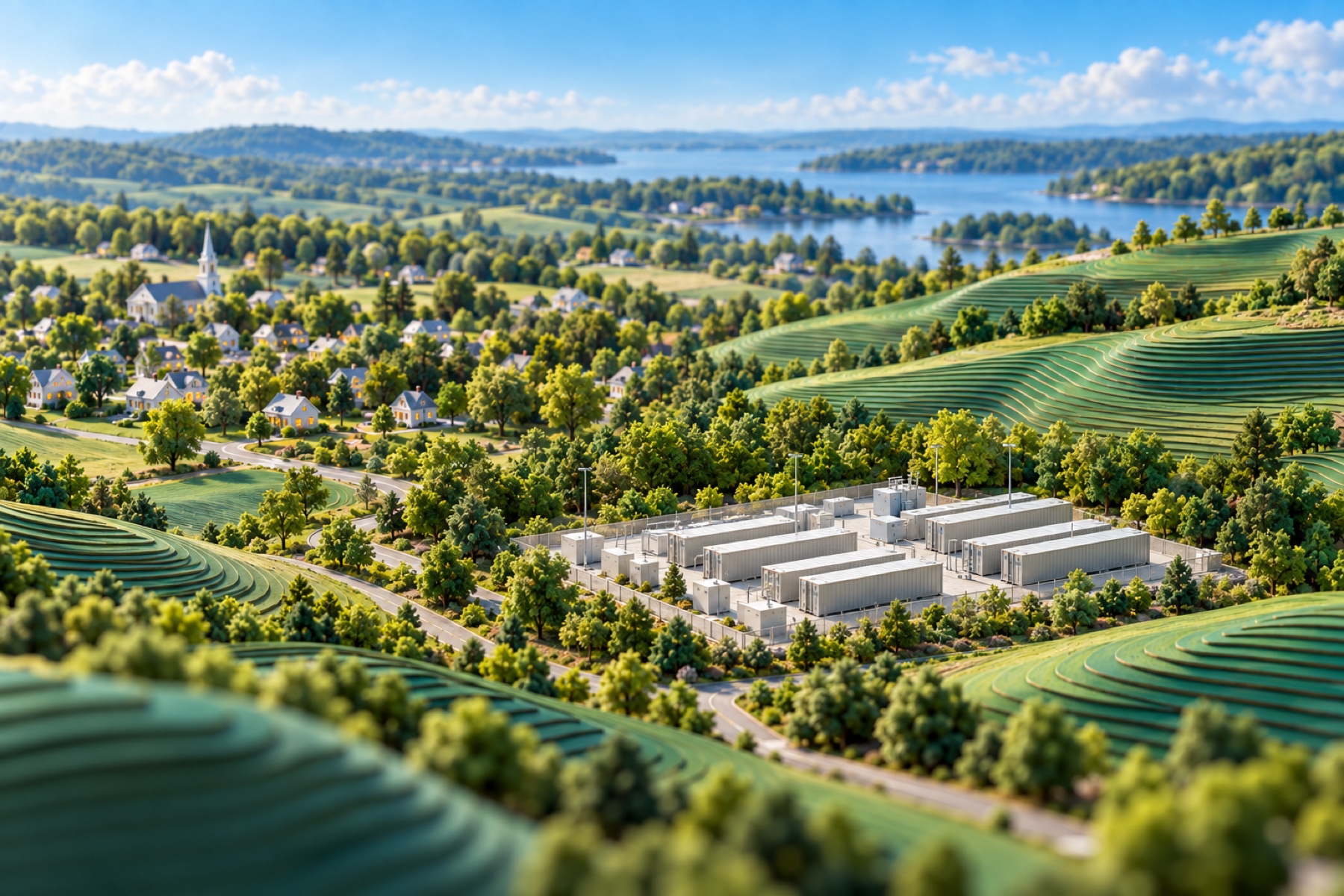
The Park Drive amendment discussion concerned updated wetland crossing areas and wetland flagging. The minutes describe a plan revision and project-specific construction conditions. For your property, request the current drawing and the actual written decision rather than relying on the first sketch you were shown.
Ask the designer to mark every change: the batteries, entrance, crossing, cable route, drainage, vegetation work and temporary construction areas. Which changes would occupy more land or restrict something you already do?
For example, relocating a crossing could move traffic closer to a field entrance you use. Ask how the revised route would affect access during construction and whether you could still move equipment through it afterward.
If a drawing changes after you sign, does the agreement require your consent? Discuss the permitted boundaries and changes with your adviser. A drawing in a public application and the drawing defining the company’s private rights should be reconciled.
Reference: Acushnet Conservation Commission: January 28, 2026 minutes, Park Drive extension and amendment votes
Put responsibility for the crossing in writing
The January minutes describe construction monitoring and controls around the Park Drive wetland crossing. The full written order is the document to request for the project’s conditions; the discussion in the minutes is not a substitute for it.
If your proposal needs a bridge, culvert or shared lane, ask who designs, builds, inspects and maintains it. Identify the permitted users and the loads it is intended to carry. Do not assume a route suitable for a passenger vehicle is ready for installation traffic.
Discuss who pays for damage and how quickly repairs must be made. Would you have an alternative way to reach your land while a crossing is closed? Who would arrange that access?
Ask where contractors would store equipment, refuel and turn vehicles. Restrictions near a crossing can shift those activities onto another part of the property. Include that land in the rights and compensation discussion.
Reference: Acushnet Conservation Commission: January 28, 2026 minutes, Park Drive extension and amendment votes
Want to ask about your land?
Send the location and what you know. You don’t need a project plan.
Tell us about your landA newer wetland survey can change the usable area
In a separate solar-only matter, the September 16, 2026 minutes describe a Morse’s Lane amendment proposal after new wetland delineation changed the planned footprint. The commission continued the discussion and wanted to review the delineation. This is solar context, not evidence of a battery approval at that site.
The owner question is practical: if further survey work changes the layout, what happens to the land reserved in your agreement? Ask whether unused areas would be released or remain under restrictions.
A smaller equipment area may still need access, drainage or cables across land outside it. Ask for both the construction footprint and all continuing rights before comparing the new layout with your payment terms.
Have the project team explain any change to proposed acreage and compensation. Do not rely on a preliminary drawing as a promise that the final design will use exactly the same area.
Reference: Acushnet Conservation Commission: September 16, 2026 minutes, solar layout revision discussion
| Document or drawing | Owner question |
|---|---|
| Current site plan | What changed from the first proposal? |
| Written public conditions | What work or restrictions affect my land? |
| Private rights drawing | What is rented, crossed or temporarily occupied? |
| Payment and deadline schedule | What changes if the layout or timing changes? |
Confirm the route for the actual battery proposal
Acushnet’s Building Department identifies the Building Commissioner as responsible for enforcing the town bylaws and for uses of buildings, structures and land. Ask the project team to confirm the present requirements for the location and intended use.
Explain whether the batteries would accompany solar, serve an existing building or operate as a separate facility. A decision for a combined solar-and-battery project should not be treated as permission for every standalone battery design.
Request a list of the decisions and electrical work still needed. Keep conservation review, land-use review, construction permits and the electrical connection clearly identified. One completed step does not answer all four.
Before authorizing an application or site entry, discuss the scope of that permission. You can ask questions about your property without giving a company broad filing authority or construction access.
Reference: Acushnet Building Department: project and zoning guidance
Tell us about the land and the questions you have
Start with the inquiry form’s contact information, then the property location. Acreage and a parcel number are optional. A nearby road and town can help if the land has no street address.
Mention an existing solar agreement, proposed crossing or request for more time if one affects your decision. Tell us which uses and access routes you want to preserve.
Sunland can begin with that information. A possible agreement needs further site, approval, connection and commercial review; submitting the form does not commit you to a lease or sale.
Questions landowners ask
Does a permit extension extend my option or lease?
The public decision and private agreement are separate documents. Have your adviser check whether your agreement links them and what deadlines, payments and release terms actually apply.
What should I request when a crossing changes?
Ask for the revised drawing, applicable written conditions and a comparison with the rights in your agreement. Discuss retained access, maintenance, construction areas and responsibility for repairs.
Do the Park Drive votes establish approval for my property?
No. The cited January 2026 votes concern that named proposal. Confirm the current route and decisions for your parcel and design.
Can I inquire without a completed survey?
Yes. Provide your contact details and property location, then describe what you know. Acreage and parcel numbers are optional.
Sources & further reading
Sources checked 2026-10-06. Local rules and program details can change. Check the requirements for the actual project.