
What would go on the land?
A battery storage project stores electricity and supplies it when needed. You may see it called BESS, short for battery energy storage system.
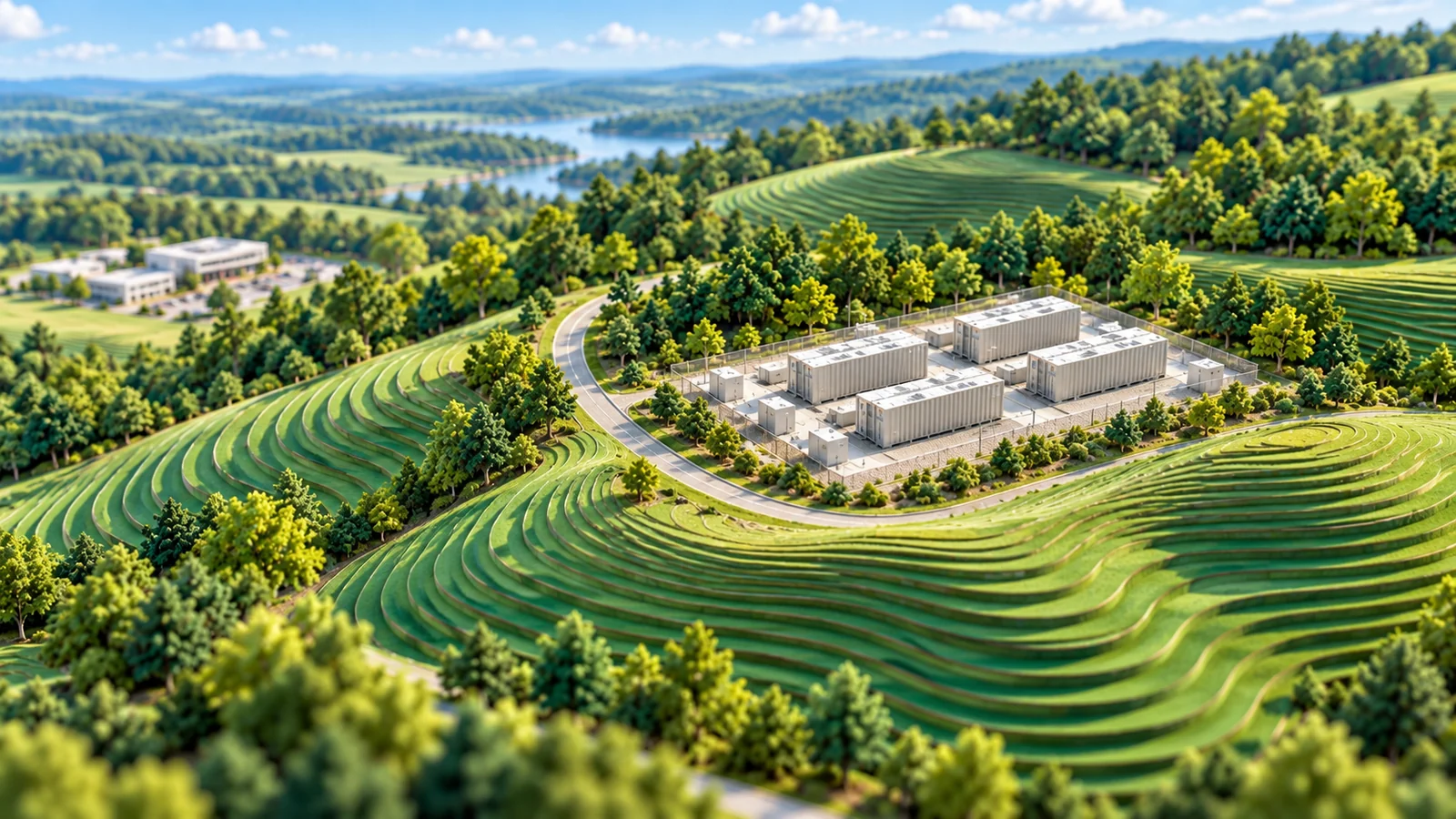
The site needs space for battery enclosures, electrical equipment and vehicle access. Before agreeing to a project, ask for a layout showing where the equipment would go, how vehicles would reach it and what land you could keep using.
Where to start with New Jersey land
Include both the municipality and county when describing your land. The local planning office can explain the zoning and approvals that would apply to a proposed project. If you already have zoning records, let us know.
An unused commercial parcel or part of a larger property may be worth reviewing. Tell us how the land is used today, how vehicles reach it and whether there are homes or businesses nearby.
A battery installed for a building’s own use is different from a standalone project that connects directly to the power grid. State programs can have different rules for each. A program for home backup batteries does not mean vacant land qualifies for the same incentive.
What makes land suitable for battery storage?
The space you could offer
Tell us which part of the property could be available and what you want to keep using. Open space, drainage and vehicle access all affect a possible layout.
The electric utility
Share the utility name if you know it. Nearby power lines are useful to mention, but the utility needs to check whether a project can connect and what work would be needed.
The town, county and neighbors
Include your municipality and county. Describe nearby homes or businesses, road access and any wet or steep areas you know about.
What you want to do with the land
Are you interested in leasing, selling or learning more? It is fine to be undecided. Let us know if only part of the property could be available.
Want us to look at your land?
Send the location and your contact details. You can start with what you know.
Tell us about your landWhat to ask before reserving your land
Ask for a map showing the equipment area, access road and any utility lines crossing the property. If you plan to keep using the rest of the land, ask which activities would be allowed.
An option agreement gives a developer time to investigate the land. Ask how long it lasts, what payments you receive during that time and what happens if the project does not proceed. Check whether the developer can extend that period.
Before agreeing to an operating lease, ask when rent begins, how it changes over time and who pays for maintenance and equipment removal. Compare those terms along with the payment amount.
You don’t have to choose between a lease and a sale before reaching out. Tell us what you are considering, and we can start with the property information.
How the property review works
Share the location
Tell us where the property is and what you know about it. A road or parcel reference can help if there is no street address.
We review your information
Sunland reviews the details and may contact you for a map or to ask questions about the property.
Discuss what comes next
If the land looks promising, the utility connection, layout, local rules and costs need further investigation. You can ask questions before deciding whether to proceed.
Landowner questions
Could an unused commercial parcel work?
Possibly. Tell us about the available space, access and current use. A commercial location does not automatically qualify; the connection, layout and local rules still need to be checked.
Does the battery have to supply my building?
No. Some batteries serve a building, while others connect directly to the utility’s system. These are different project types. You can ask about your land without knowing which type might fit.
Will my land qualify for a state storage incentive?
Do not assume it will. Eligibility depends on the program and the proposed project. An incentive for a residential battery is not an offer for a standalone project on vacant land.
What if my parcel has no street address?
Use a nearby road, town or location description. A parcel number from a tax bill can help if you have it. Include the county and state so we can locate the right property.
Do I need to know the acreage or zoning?
Share them if you know them, but you don’t need every record to start. The property location and your contact details are enough for an initial inquiry.
What happens after I send the form?
Sunland reviews the information and may contact you for a map or other details. Further checks are needed before a project or agreement can be proposed. Sending the form does not reserve your land.
Sources & further reading
Sources checked October 2, 2026. Program rules and local requirements can change. These references provide market context; property suitability requires site-specific review.