
Start with the right Franklin Township and the actual proposal
This guide concerns Franklin Township in Gloucester County, including Franklinville and Malaga. New Jersey has other municipalities called Franklin. Confirm the county, municipality and tax block and lot on every drawing and document. A mailing address alone can leave that distinction unclear.
Ask what the batteries would do. Would they supply the grid, work with solar panels or support a business on the property? Request a short explanation and an initial drawing showing the equipment, entrances and electrical route. A familiar label such as renewable energy does not explain the complete proposal.
The September 2024 master-plan report recommended development regulations for both accessory and large battery installations. Read that as a dated planning recommendation. It does not establish present-day permission, an equipment limit or a setback for your parcel.
Ask the project team to identify the current zoning provisions and any later amendments it relies on. Have it explain how the proposed operation fits them. An answer about solar panels, a warehouse or another property should not replace an answer about this battery design.
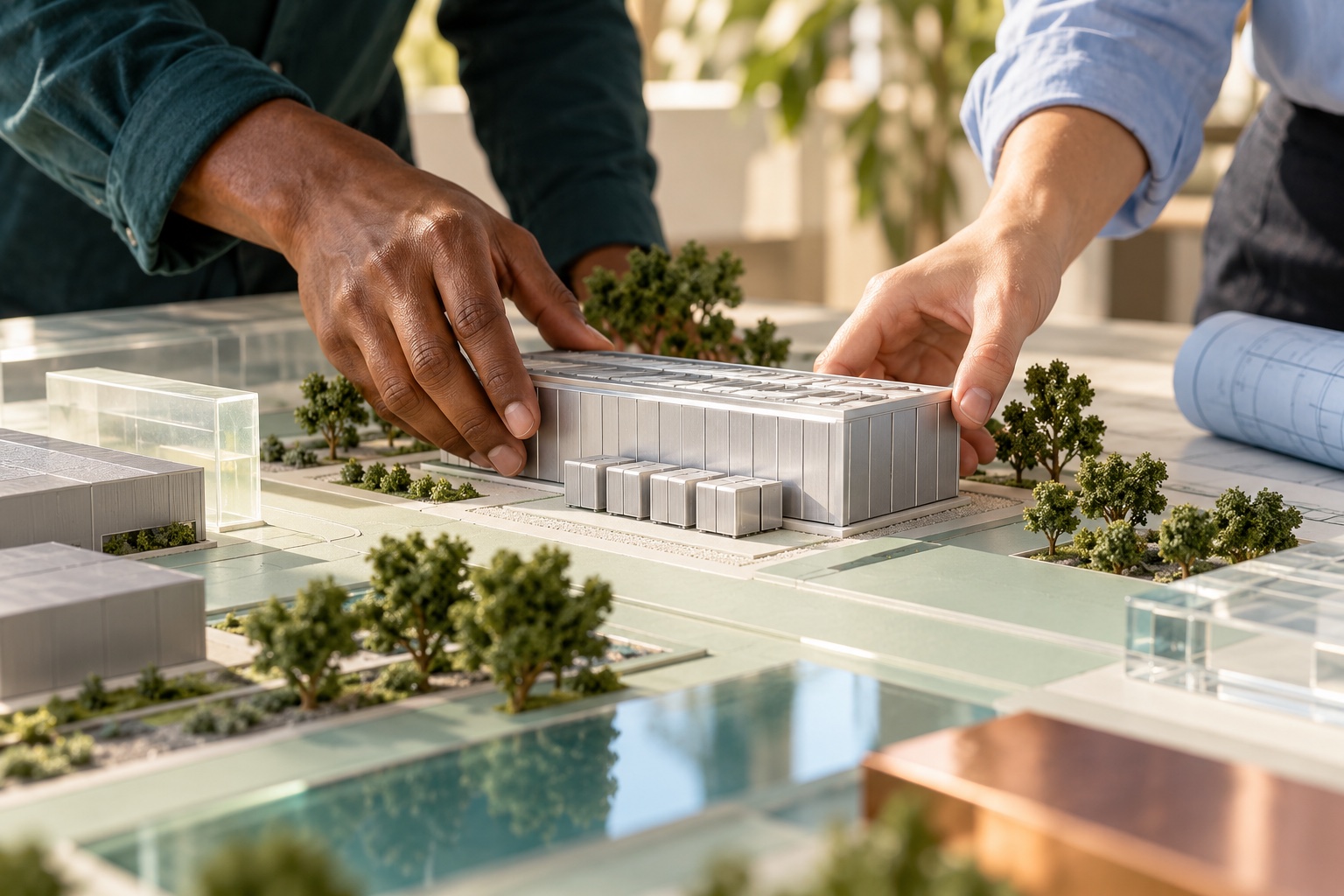
Request the zoning answer the company is relying on
If the developer says the use is allowed, ask who reached that conclusion, when and for which drawing. Request the written response or decision and the applicable code sections. Keep it with the proposal so you can see whether later equipment or layout changes affect the answer.
Franklin’s published code gives the Board of Adjustment a role in zoning interpretations and variances. Ask the reviewing officials which route applies to the proposed use. A need for an interpretation or other relief can change the work the developer must complete before construction.
Discuss what remains undecided. Does the team still need a use decision, a site-plan review, environmental documents or a connection study? Ask for a list with the responsible organization and the evidence that would show each step is finished.
Have your adviser compare that list with the agreement. A payment trigger described simply as approval can be hard to follow when several decisions are needed. Name the intended milestone and the document that proves it, instead of assuming every participant means the same thing.
Reference: Franklin Township: zoning interpretation and variance responsibilities, section 253-53
Read an owner-consent form before you sign it
Franklin’s published submission provisions call for the applicant’s interest in the land and signed owner consent when the applicant is not the owner. Ask which application a requested signature supports and obtain the complete form and accompanying drawing.
Have your adviser explain what the signature authorizes. Is it consent to seek a public decision, permission to enter the property, or part of an agreement reserving land? These can arrive together but serve different purposes. Keep a copy of every signed document.
Confirm who pays the application fees and professional costs. Ask whether anyone expects you to replenish an escrow, supply surveys or sign additional certifications. Agree on those responsibilities before the company starts work that it might later ask you to fund.
Discuss what happens if the company changes the design or transfers the application. Would you receive the revised drawing and the new applicant’s contact details? Agree on a process for updates so your signature is not treated as a substitute for keeping you informed.
Want to ask about your land?
Send the location and what you know. You don’t need a project plan.
Tell us about your landCompare the usable area with the land the option reserves
Ask for one drawing that distinguishes permanent equipment, construction space, access, drainage, screening and electrical routes. Then compare it with the land description in the option. A compact battery compound does not explain a request to reserve the entire property.
Mark the areas you need to retain: a home, leased field, farm road, business yard or space for a future use. Explain how you reach them now. Ask whether the project can avoid those areas and what activities would remain possible during the option and after construction.
Franklin’s application provisions address wetlands documentation and Pinelands procedures where applicable. Ask the project team to identify the actual environmental review for this property. A map used for an early conversation is not a finished answer about usable land or an approval of disturbance.
If the review shrinks the project area, discuss how the agreement releases land no longer needed. Request an updated drawing and land description. Do not leave the reservation unchanged merely because the equipment can move into a smaller corner.
Set dates you can follow while the company investigates
Ask for the option’s start date, initial end date and every available extension. What payment accompanies each period, and when must the company notify you? Put those dates in a simple schedule that you can compare with the agreement.
Find out whether public review delays automatically extend the private option. Discuss who decides that a delay qualifies and what progress the company must show. You may want to negotiate a defined extension and payment rather than an open-ended hold.
Ask for periodic updates that identify completed work, remaining work and the next expected decision. A useful update includes the latest layout and relevant correspondence. A repeated statement that the project is moving forward gives you little help in deciding whether to extend.
Discuss what you can do during the option: continue a tenancy, refinance, sell or investigate another use. Have your adviser explain restrictions on those activities and any recorded document. The decision concerns the time your property is reserved as well as the proposed future rent.
Agree on the exit if the battery proposal does not proceed
Ask what ends the option and which rights survive. Does an access agreement continue, or has the company recorded a memorandum or easement? Identify the documents needed to release unused rights and who supplies them.
Discuss responsibility for investigation work already done on the property. Who closes test holes, repairs damaged access and restores disturbed areas? Agree on a way to report damage and a schedule for completing the work.
If the company proposes solar or another use instead, request a fresh explanation of the equipment, reserved land and commercial terms. Have your adviser check whether the original battery agreement permits that change. A different proposal can require different rights and a different decision from you.
For a project that proceeds, discuss construction, operating payments, future transfers and removal separately. Ask which company remains responsible if ownership changes. The option is the beginning of a possible project; it should not leave later responsibilities unexplained.
Tell Sunland what you would consider on your property
Use the form to provide your contact details first, then a location we can identify. Gloucester County and New Jersey are selected on this page and can be corrected. Acreage and tax block-and-lot details are optional for an initial inquiry.
Mention an existing option, a proposed signature or a use you want to retain. A short description of the area you would consider helps start the conversation. You do not need to commission a new survey before asking an initial question.
Submitting an inquiry does not grant site entry, reserve your land or commit you to an agreement. A possible deal still depends on the actual property, current review requirements, connection evidence, equipment plan and commercial terms.
Questions landowners ask
Does Franklin’s 2024 planning recommendation approve batteries on my land?
No. It recommends addressing battery storage in development rules. Obtain a current response for the actual property and proposal before relying on a permitted-use claim.
Which Franklin Township does this guide cover?
Franklin Township in Gloucester County, New Jersey. Check that county and the property’s tax identification on the proposal; other New Jersey municipalities share the Franklin name.
Why might the developer need my signature for an application?
The published submission provisions call for owner consent when the applicant is not the owner. Ask which application the signature supports and have the complete form explained before signing.
What if the company needs longer to obtain decisions?
Compare the option’s extension clauses, notice dates and payments. Discuss how progress is documented and whether delays extend the agreement; do not assume a public review deadline is also your private option deadline.
Can I ask about my land without knowing its acreage?
Yes. Start with contact information and an identifiable location. Acreage and block-and-lot details can follow as the conversation develops.
Sources & further reading
Sources checked 2026-10-07. Local rules and program details can change. Check the requirements for the actual project.
- Franklin Township, Gloucester County: adopted September 2024 master-plan reexamination, recommendation 18, printed page 48
- Franklin Township: zoning interpretation and variance responsibilities, section 253-53
- Franklin Township: site-plan submissions, owner consent and Pinelands review, sections 253-33 and 253-46