
Start by describing the property
Include the county, nearby town and a road or street address. For undeveloped land, a parcel number from a tax bill can help us find the right boundary. If you own several adjoining parcels, say which ones could be available.
Describe the use today. Is the land farmed, leased to someone else, used for parking or kept for a future building? If only part could be available, explain what you want to keep. That helps avoid a proposed layout that conflicts with your plans.
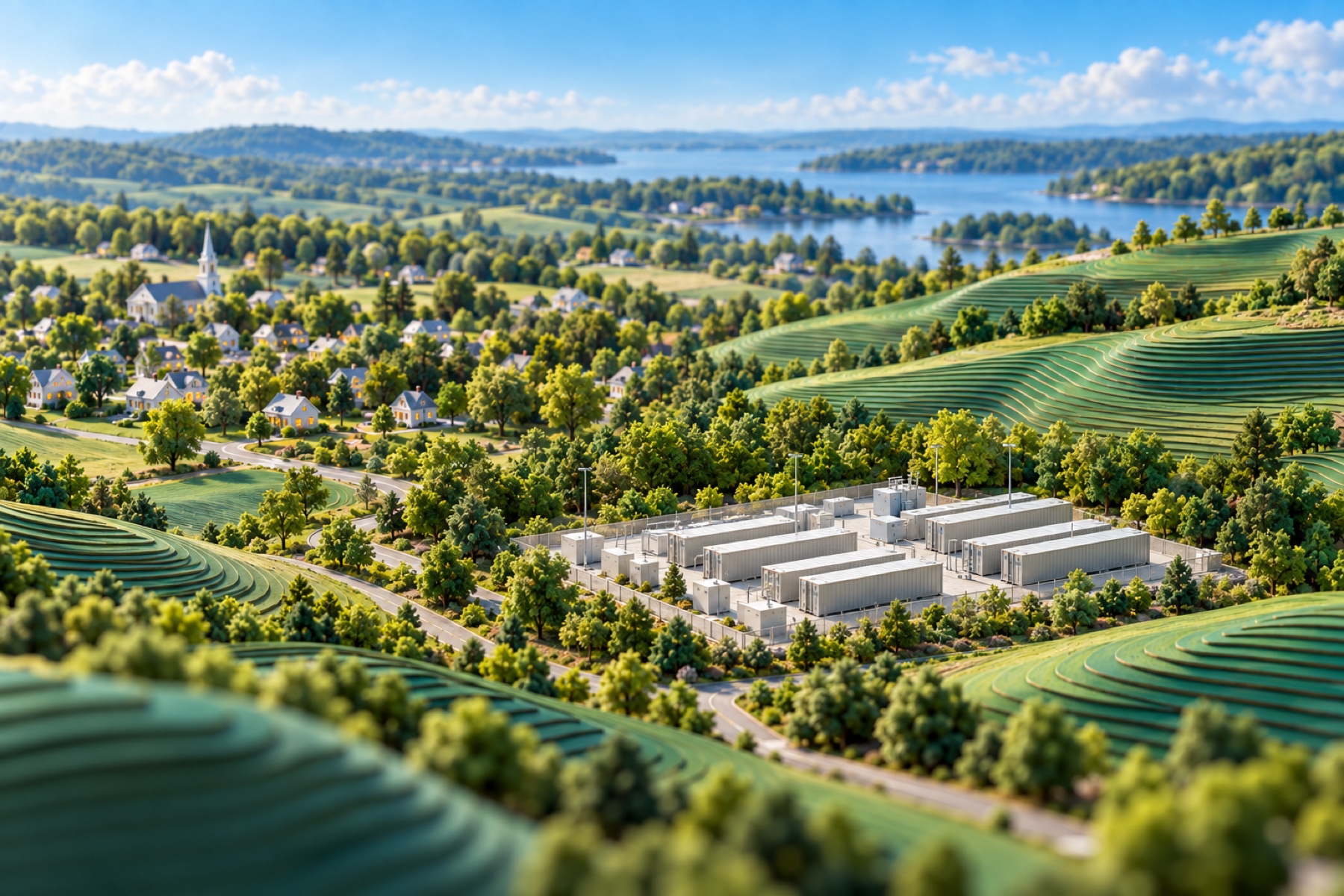
Separate a land project from a building battery
Maryland Energy Administration lists storage resources for buildings and directs applicants to specific programs. A battery serving a building is a different proposal from leasing vacant land for a project that connects to the utility system.
Do not treat a residential or commercial storage grant as a promise of income for your land. Ask which program, if any, the proposed project would use and whether the project itself meets the current rules. The land payment is a separate agreement between the owner and the developer.
Reference: Maryland Energy Administration: energy storage · Maryland: residential and commercial storage program
Find out who needs to review it
Tell us the electric utility if you know it. An electric bill for the property may help. If there is no service on the parcel, say so; a neighboring property’s utility is a clue rather than proof.
Ask the county or municipality which office handles the proposed battery use. The electrical connection, land-use approval and any other required reviews are different steps. Ask the developer to identify those steps before treating the project as ready to build.
Want to ask about your land?
Send the location and what you know. You don’t need a project plan.
Tell us about your landQuestions to ask about the part of the land being used
Ask for a drawing showing the equipment area, driveway and route for utility lines. Include any places where you still need to drive farm equipment, park vehicles or reach another building.
Ask who maintains the access road and drainage. If a project would share an entrance with your business or home, find out how construction vehicles and later maintenance visits would be handled. Get any limits on the remaining property explained before agreeing to them.
What to send for an initial review
Start with the property location and your contact details. If available, add the parcel number, approximate acres, utility name and a short note about access. It is fine to say you are unsure whether a lease or sale is better.
A useful note could read: “The parcel is outside the town of ____. Vehicles enter from ____. I could make the eastern part available, but I want to keep the rest for ____.” A clear description is more useful than guessing a project size.
Questions landowners ask
Does a storage grant mean I can lease my land?
No. A grant has its own eligibility rules. A land lease depends on the proposed project and your agreement with the developer.
Can I submit land that does not have electric service?
Yes, you can ask about it. Mention that there is no existing service. The connection still needs to be investigated before a project can proceed.
Do I have to make all of the land available?
No. Tell us the area you could consider. Access and utility routes may affect other areas, so ask for a map before agreeing to a layout.
Sources & further reading
Sources checked 2026-10-03. Local rules and program details can change. Check the requirements for the actual project.