
Start with the whole land request
A battery enclosure is only part of a land offer. Ask the company to show the entrance, electrical route, drainage work, construction space and any areas it needs to keep clear. Compare that drawing with the boundary described in the proposed agreement.
Explain how you use the rest of the property. A driveway may serve farm equipment, a tenant or another field. A cable route might cross ground you planned to sell or improve. Mark those uses so the company can respond to specific places rather than giving a general assurance that the remaining land will be unaffected.
Keep temporary and permanent rights separate. Ask when construction ground would be returned, what restoration is promised and which rights continue during operation. If a wider route is needed later, find out how that change would be requested and whether you would have a choice.
You do not need to commission a survey to begin a conversation. An address and your explanation of the land are a starting point. A proposed agreement, however, should let you understand the land and rights you would actually reserve.
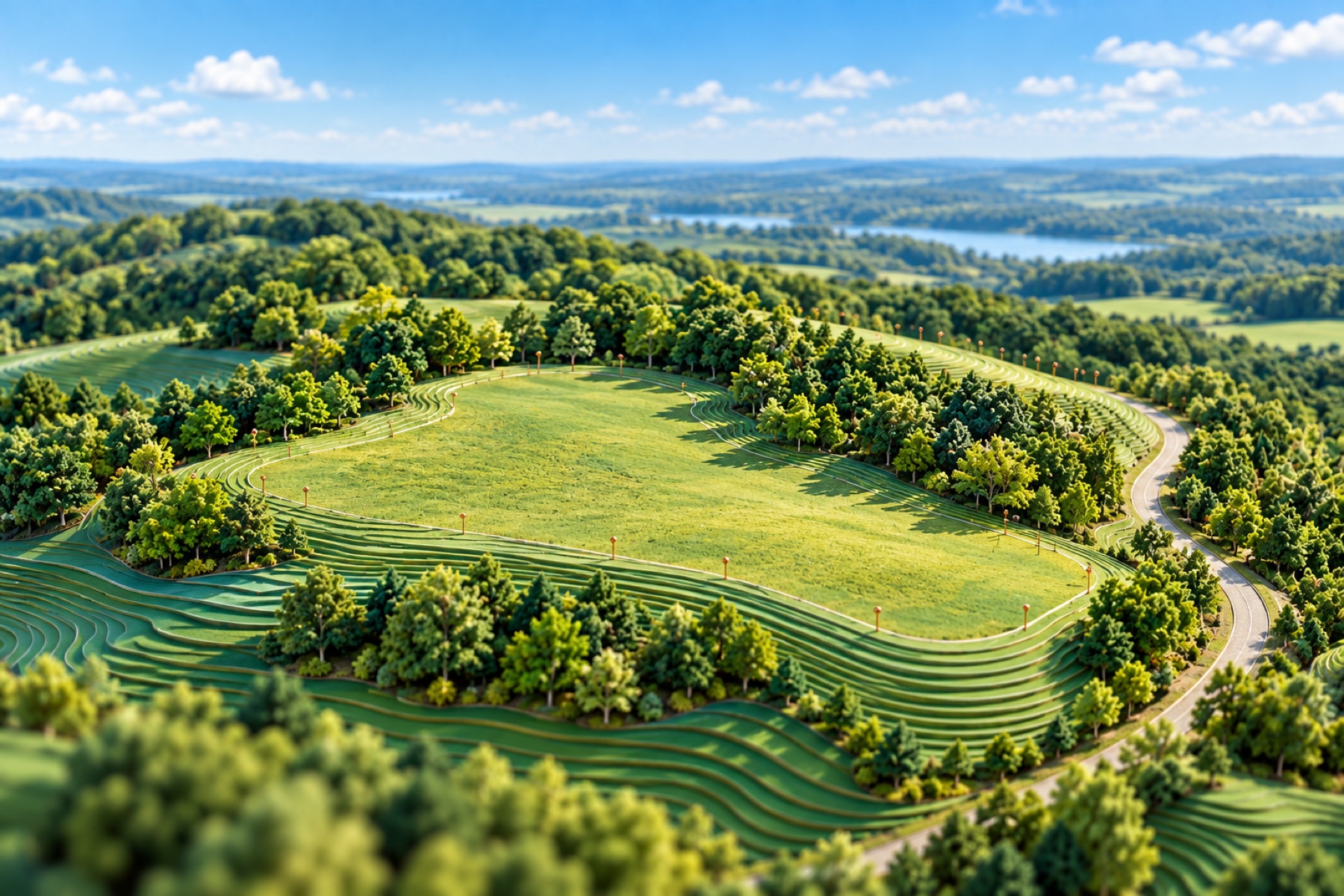
Ask how the farmland contribution applies to this proposal
Chapter 75 includes energy storage in its contribution provisions and identifies Class I and Class II soils as vital farmland. Its project-area definition is framed around solar facilities, while its applicability section also names storage. Ask Planning and Codes to explain the area and method for a standalone battery proposal.
The published calculation uses 75% of MALPF’s annual average fair market value for the entire project area when it contains those soils. A fallback uses two county-retained appraisals; the text assigns their cost to the developer. Ask for the current calculation and written explanation, rather than estimating from acreage alone.
Request a drawing that identifies the area used in any cost estimate. Is it the equipment area, disturbed ground or another boundary? Ask what evidence supports the soil classification and who is responsible for resolving questions with the county.
If the layout changes, have the team explain whether its cost estimate changes too. Keep the drawing, county response and estimate together. You should be able to see which proposal the numbers describe.
The signed preservation law took effect December 6, 2025. Paying a contribution does not establish permission to build. Ask the team to identify the approvals and current requirements separately for your property.
Reference: Caroline County: current Chapter 75 preservation contribution rules · Caroline County: signed preservation fund law, Bill 2025-011
Separate public project costs from money paid to you
Ask the company to list the payments it expects to make for the project and identify the payments promised to you. A county contribution, study expense or application cost should not be confused with option money or rent.
Read how the offer deals with unexpected costs. Could the company reduce rent, postpone a payment, seek a different boundary or end the agreement if costs increase? Have your adviser review the actual provisions rather than relying on the headline annual payment.
Discuss who handles a cost dispute and how you would receive updates. If the company needs more time to establish a figure, what payment would you receive while the land remains reserved? What happens at the end of that period?
If someone proposes that you pay an expense, ask for the amount, purpose, recipient and circumstances in writing before deciding. Distinguish an estimate from an agreed obligation. Keep invoices and payment records with the offer so you can follow what has actually happened.
| Item to distinguish | Question for the offer |
|---|---|
| Public contribution or application cost | Who pays, and what current explanation supports it? |
| Option payment | When is it due, and how long is land reserved? |
| Operating rent | What event starts payment, and can costs reduce it? |
| Additional time | What payment and final ending date apply? |
| Changed footprint | Which land and rights would change? |
Want to ask about your land?
Send the location and what you know. You don’t need a project plan.
Tell us about your landDo not use a solar amendment as the answer for a battery-only site
The county’s signed Bill 2025-012 revises solar provisions, including associated storage. It does not by itself establish the review route for a standalone battery project. Have the team identify which proposal it is making.
Ask for the project name, applicant, proposed equipment and intended operation. Would it serve an existing business, connect directly to the grid or accompany solar panels? A short label such as “renewable project” leaves those questions unanswered.
Request the current written explanation of the route that applies, including any state review and county role. If a company relies on an old meeting packet or draft, ask for the adopted text or project-specific decision behind its statement.
Keep the connection question separate as well. Which utility or grid study supports the proposal, what work remains and whose land is needed for the electrical route? A cost estimate or submitted application does not tell you that a usable connection has been secured.
This page does not establish the current status of any battery moratorium or permission for a particular parcel. Those are questions to resolve for the actual design before treating the offer as a construction-ready opportunity.
Reference: Caroline County: signed solar amendment, Bill 2025-012 · Caroline County: passed bills and public hearing notices
Describe the land you want to keep using
Tell the team about existing tenants, farming arrangements, shared entrances and drainage you maintain. Describe any planned sale, refinancing or improvement. These details help expose conflicts before a broad land reservation is signed.
If only part of a farm is being discussed, ask how the remaining fields will be reached during both construction and operation. Can machinery turn, deliveries pass and drainage be maintained? Compare the answers with the drawing rather than only with a stated acreage.
Mention any preservation agreement, deed restriction or other arrangement you know about. Ask who will obtain and review the actual records. A proposed public payment should not be treated as an answer to a separate restriction affecting the land.
For a proposed visit, agree on the purpose, timing, route and work to be done. Ask who coordinates with occupants and repairs investigation damage. A conversation about the property need not grant unrestricted access or permission to disturb the ground.
Keep copies of drawings and written responses as the proposal develops. If the company changes the entrance, project size or reserved area, review how that affects the uses you wanted to retain.
Tell Sunland what you are considering
Start with your name, email and phone, then the property location. Maryland and Caroline County are selected in this form and can be corrected. Acreage and a parcel number are optional.
Tell us whether you are making an initial inquiry or have already received an offer. Mention any decision deadline, the area you could consider and the uses you want to protect. If a company has discussed public costs or deductions from rent, explain what it said.
You can contact us without a soil report, survey or finished plan. Include a project or case name if you know it. The first conversation can identify what information is available and what still needs to be established.
Submitting the form contacts Sunland. It does not reserve your land, grant entry, file an application or commit you to a lease or sale. Property suitability, connection, approvals and commercial terms require further review.
Questions landowners ask
Is the farmland contribution part of the rent paid to me?
Treat public project costs and your private payments separately. Ask who pays each item and whether the proposed agreement allows costs to affect your rent.
Should I compare only the fenced battery area?
Ask for all requested land and rights, including access, electrical routes, drainage and temporary construction space. Compare them with the agreement.
Does a solar law establish permission for a standalone battery project?
No. Have the team obtain the current explanation of the process for the actual battery proposal and property.
What if the company changes its drawing?
Ask how the revision affects the reserved land, retained uses, costs and payments before accepting changed terms.
Do I need a soil report to inquire?
No. Begin with contact details and location. Acreage, a parcel number and property documents can follow.
Sources & further reading
Sources checked 2026-10-06. Local rules and program details can change. Check the requirements for the actual project.