
Use the final version when discussing timing
The county’s Bill 9-26 page records several amendments before passage. The final enacted document removes the earlier expedited-review provision. An original bill or early summary should not be used to promise a quick approval.
Ask the developer which document supports its proposed schedule. Request a list of steps already completed and those still outstanding. If the team estimates a hearing or permit date, ask what could change it and how that affects your option period. A forecast should remain understandable even if the project takes longer than expected.
Reference: Anne Arundel County: Bill 9-26 passage and amendments · Anne Arundel County: final enacted Bill 9-26
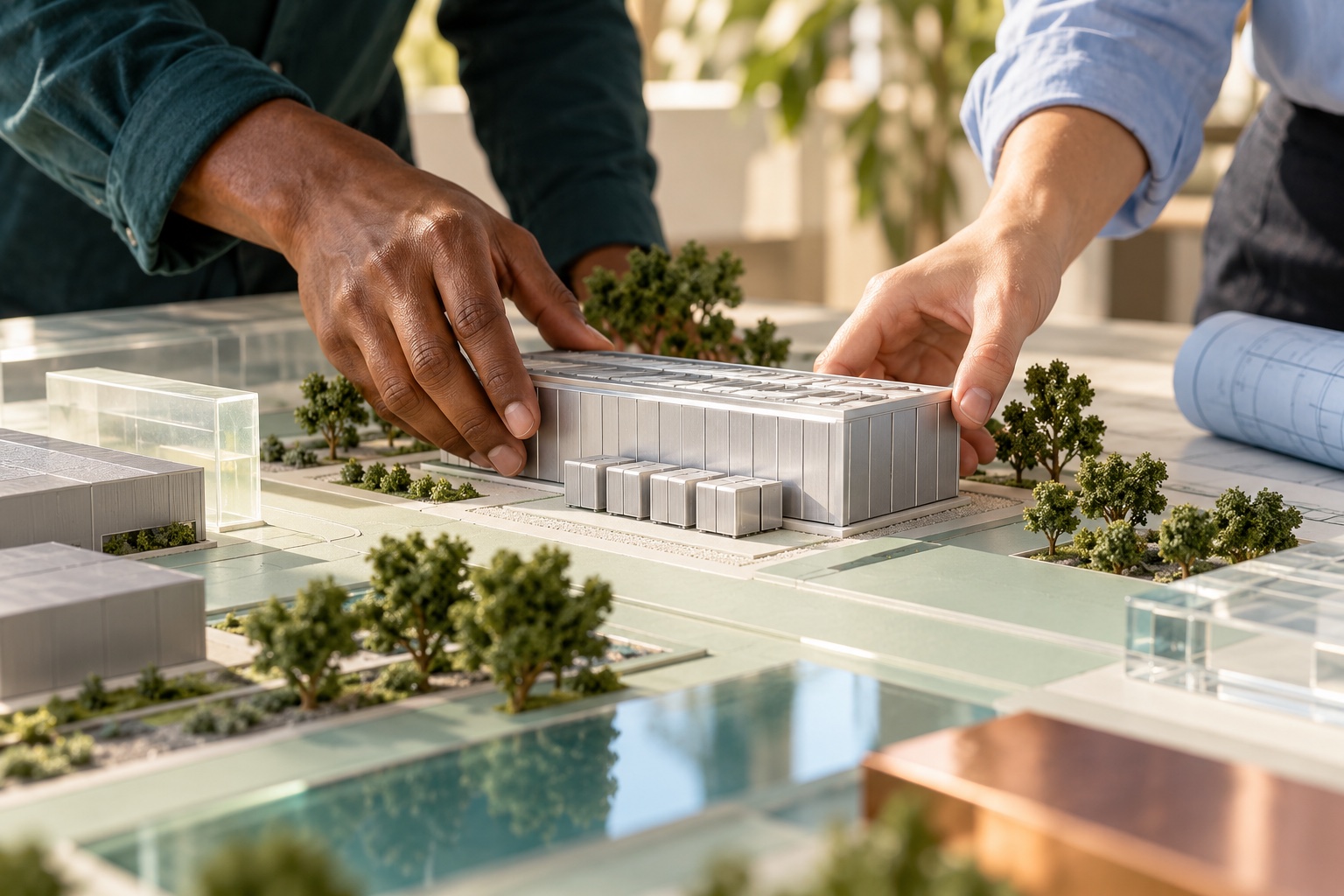
Identify the proposal and its review route
The final bill concerns front-of-the-meter storage and excludes public-utility-owned or operated equipment from that definition. Its district tables distinguish residential special-exception use from conditional use in listed commercial, industrial and mixed-use districts.
Ask the project team to identify the category, zoning district and responsible authority for your property. Share the current use and any existing agreement. If someone describes the installation as a battery for your business, ask whether it would actually serve the building or connect separately to the grid. That answer matters when discussing both approvals and possible benefits.
Reference: Anne Arundel County: final enacted Bill 9-26
| Question | What to request |
|---|---|
| Which use is proposed? | Purpose, equipment owner and connection arrangement |
| Which route applies? | Current district and review process |
| What remains? | Dated list of approvals and studies |
| What if it is delayed? | Option payments, extensions and release terms |
Show screening and access on the land plan
The final bill addresses screening, grading, topsoil, site-development review and emergency planning. Ask for a drawing that includes those features alongside the battery equipment, entrance and electrical route.
Mark buildings, shared drives, tenants and the areas you want to retain. If screening would occupy land outside the equipment compound, discuss who uses and maintains that area. Ask how maintenance vehicles and emergency responders would reach the site without blocking access you need.
For example, an owner might offer land behind a commercial building but want to keep parking and the service drive. Have the designer show the full proposal beside those uses. A landscaped concept picture helps explain appearance; it does not establish the final boundary or resolve access.
Reference: Anne Arundel County: final enacted Bill 9-26
Want to ask about your land?
Send the location and what you know. You don’t need a project plan.
Tell us about your landDescribe soil and drainage before work starts
Tell the team about wet ground, ditches, slopes and any drainage work you know about. Ask how existing conditions would be recorded and what work is proposed during investigation and construction. You can describe an uncertain feature without trying to classify it yourself.
If only part of the parcel would be leased, discuss how grading or drainage changes could affect the rest. Ask where temporary material storage and construction staging would go. Identify who repairs damage, how you report a problem and what restoration is promised. Keep those commitments with the agreement rather than leaving them in a presentation.
Keep local review and the electrical connection separate
Ask where the proposed battery would charge and export, who handles the connection application and what study work has been completed. A land-use route does not reserve utility capacity. Request an explanation of estimated upgrades and costs that remain uncertain.
If the connection crosses another parcel, ask who obtains that right and when. Include the access and cable route in discussions of the land being reserved. Compare those remaining tasks with the option deadlines, extension rights and event that starts operating rent. Ask what happens to recorded rights if the project cannot proceed.
Start with your location and plans
Send Sunland your contact details and the property location. Add Anne Arundel County, current use, approximate available area and utility if known. Mention an existing tenant, energy agreement or received offer. You can leave optional details blank.
Explain what you would like to keep using. A short note such as “the rear field may be available, but the business needs its entrance and parking” is useful. Further review needs to establish rights, design, connection, approvals and commercial fit. An inquiry does not authorize a filing or commit you to a lease.
Questions landowners ask
Does the original bill guarantee expedited review?
The final enacted version removes that earlier provision. Ask for the current review route and schedule.
Are all battery proposals covered by the same definition?
No. Ask the project team how its actual equipment ownership and use fit the applicable provisions.
Must I know my zoning before contacting Sunland?
No. Start with the location and information you have. The applicable rules still need to be established.
Sources & further reading
Sources checked 2026-10-04. Local rules and program details can change. Check the requirements for the actual project.