
Read the offer as a whole
The county’s notice urges owners considering solar documents to obtain their own agreement review. Its checklist includes battery emergency planning, insurance and several other landowner concerns. It does not establish a standalone battery zoning route or say your parcel is eligible. Use it to start a conversation about the actual documents you have received.
Ask for the entire package, including attachments referenced by the option or lease. Which document names the company that would pay you? Which drawing shows its proposed use? Does the description mention storage only in an attachment, or does it reserve a separate battery area?
For example, a presentation might show panels across a field while a lease allows additional energy equipment in a much larger area. Have the project team explain that difference in writing. Ask your reviewer how the signed documents would treat it before relying on the presentation.
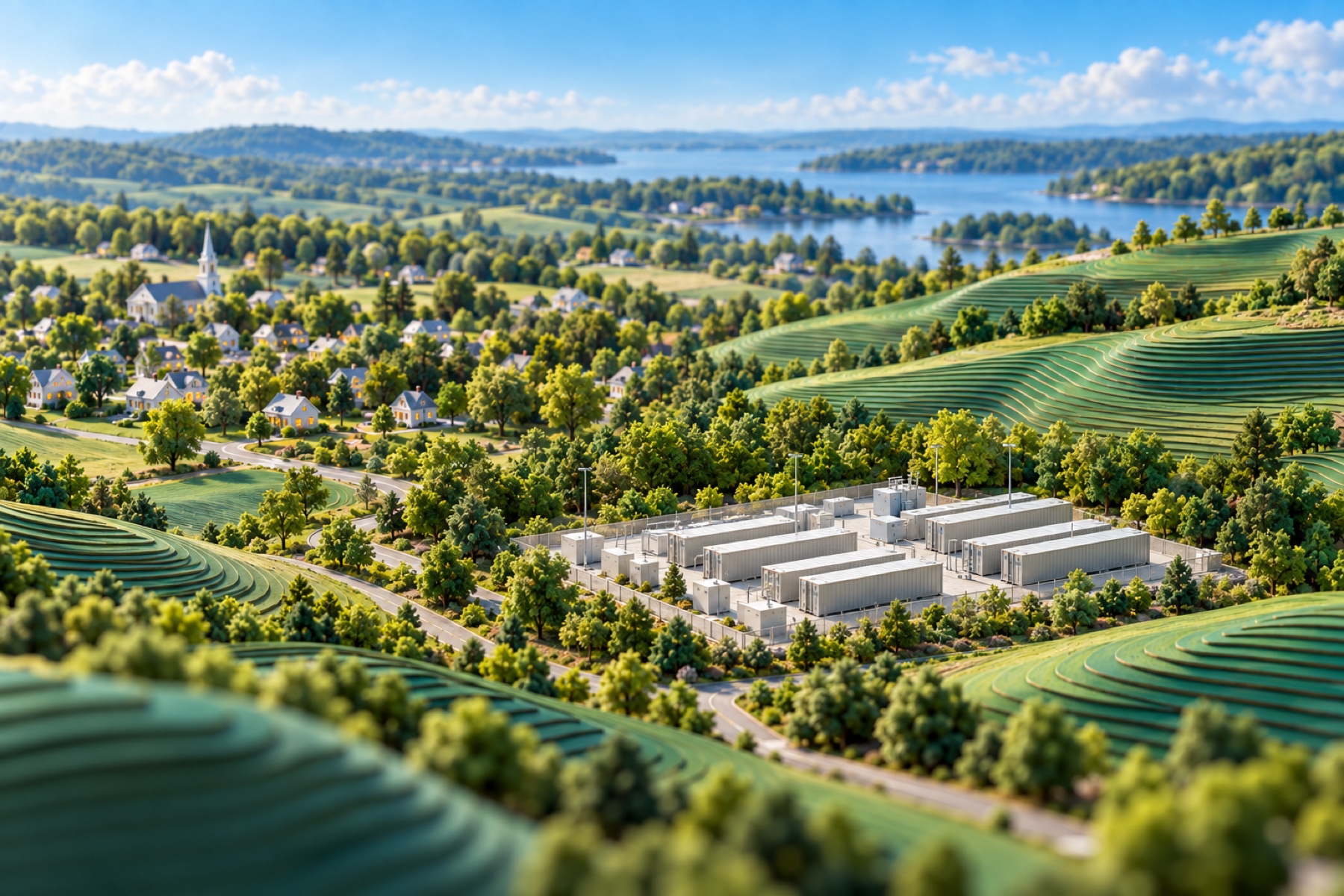
Ask when the batteries would become part of the project
Find out whether storage is part of the first construction phase, a possible later addition or merely something the agreement allows the developer to investigate. Ask for the current plan and the proposed arrangement for each outcome.
If the batteries are optional, what happens to the reserved battery area when only solar proceeds? Ask whether you are paid to keep it available, when you can use it again and what notice would precede a later proposal. Include a date or a clear decision point in the discussion.
Imagine a tenant wants to use that corner for equipment storage during a two-year wait. Could you agree to that use, and would you have to clear it immediately if the developer later chooses batteries? Discuss the tenant’s needs and the developer’s proposed notice period together.
Keep the first drawing and any replacement drawing with your records. Ask how a later battery proposal would change equipment space, access, fencing and electrical routes, and who would need to approve those changes. A general reference to future storage does not tell you the final layout.
Check the review stage behind the word approved
The county’s development FAQ explains that a concept-plan approval allows further required reviews; it is not project approval. It also distinguishes concept plans from site plans. Ask the company to identify its actual decision, the drawing it covers and the work that remains.
If you are shown a letter or meeting record, keep the complete document rather than a screenshot of one sentence. Does it identify this property and this project? Does the decision describe solar alone, batteries alone or the combined proposal? Ask the team to explain any conditions in ordinary language.
Ask which authority reviews the actual installation. A state energy decision, county land-use decision and utility connection document can address different parts of a proposal. Have the company list the outstanding steps and the dates it is using in its land offer.
You do not need to resolve the entire approval process before asking about your property. You do need a clear explanation before accepting a long reservation based on a claim that everything is already settled.
Reference: Queen Anne’s County: Development Review FAQs, concept plans and site plans
Want to ask about your land?
Send the location and what you know. You don’t need a project plan.
Tell us about your landUse both the zoning and environmental information
The county’s long-range FAQ distinguishes parcel zoning from Critical Area designations and directs owners to its Property Viewer for both. It explains that Critical Area lot coverage includes more than buildings, including driveways and other surfaces. Ask the project team to check the actual parcel and complete layout, rather than treating a zoning label as the whole answer.
Mark the equipment, proposed road and electrical route on the same drawing as the property features you want to keep. Where would a truck enter? Would a route cross woodland or run beside a water feature? Ask which parts need further review and whether the layout could change.
The Planning and Zoning page also posts a notice that updated forest-conservation standards apply to new applications received after July 1, 2026. Ask which application date and requirements the team is relying on. Do not use an older drawing as proof that a new submission has completed the current review.
These resources help identify questions for the responsible office. They do not establish that a battery use is allowed in a particular district, that tree removal is approved or that the utility can connect the project.
Reference: Queen Anne’s County: Long Range and Critical Area FAQs, zoning and environmental designations · Queen Anne’s County: Planning and Zoning, including July 2026 forest-conservation notice
Walk through the land you would keep using
Try describing an ordinary working day on the property to the project team. Where do deliveries arrive, where do you turn equipment and which route must stay open? Ask how those activities would work during construction and operation.
For example, a battery enclosure might fit beside a field but its proposed entrance could use your only route to a barn. Discuss when that route could be closed, how you would receive notice and what alternative access would be available. Compare the answer with the proposed agreement and drawing.
If the solar and battery components share a route, ask who coordinates access when their contractors arrive at different times. If one component is transferred to another company, ask who becomes your contact for that shared area.
Write down uses you want to preserve. A conversation about available acreage is easier when you can also identify the spaces and routes that are unavailable.
Separate the battery payment from the project presentation
Ask the company to show the payments offered for reserving the property, for construction and for operation. If batteries are built later, when does payment for their area begin? Which payments continue if the solar portion operates while the battery portion is delayed?
Use a simple comparison of the possible outcomes. One column can describe solar and batteries together; another can describe solar alone with land still held for future storage. Record the payment dates and reserved area for each. Ask the company to explain any blank entry.
Do not substitute the project’s expected electricity income for the payment promised to you. Your offer needs its own amounts, dates and conditions. Ask your reviewer to explain any event that could postpone a payment or extend a hold.
If you would prefer to sell rather than lease, say so early. Ask what purchase area and timetable the company proposes, and whether any access or other rights would remain over the property you keep.
| Possible arrangement | What to settle |
|---|---|
| Both components built together | Which land and payment dates cover each? |
| Solar built; storage delayed | Is the unused battery area still reserved and paid for? |
| Batteries added later | What drawing, consent and notice come first? |
| One component stops | What happens to shared access and the remaining payments? |
Ask for a separate explanation of the battery installation
Have the team explain what equipment is proposed, where it would sit and how the site would be managed. Ask whom you would call about access or a problem and how you would receive updated operating contacts.
If a solar presentation is the only material you received, ask for the battery information before treating it as a complete description of the combined project. Take the actual proposal to your insurance adviser and agreement reviewer, and ask what they need to evaluate your situation.
Keep those questions tied to the layout. A later equipment change or separate operator can alter the information your advisers need. Ask how you would be notified and how the agreement addresses proposed changes.
Start with the location and the offer you are considering
Use the form to send Sunland your name, email and phone number, then the property location. Identify Queen Anne’s County and the municipality if known. Acreage and parcel numbers are optional.
Tell us whether you are considering batteries alone or a solar offer that includes storage. Mention an existing reservation, a proposed later addition or a part of the property you need to keep using. You can describe missing documents without uploading private financial or legal records.
An inquiry starts a property conversation. It does not reserve your land, approve the project or promise a connection or payment. Any proposed transaction would need its own terms and review.
Questions landowners ask
Does the county’s lease notice approve battery storage on my land?
No. It is advice about reviewing solar lease offers, including battery questions. Ask for the current review route and decisions for the actual property.
What if batteries are only a possible later addition?
Ask what area remains reserved, whether it is paid for, how long it can be held and what drawing and notice would come before the later project.
Does a concept-plan approval mean construction is approved?
The county’s development FAQ says concept approval allows further required reviews and does not constitute project approval. Ask which decisions the actual project has received.
Can I ask about land without a parcel number?
Yes. Start with contact details and the location. Add the current use and describe the offer or arrangement you want to discuss.
Sources & further reading
Sources checked 2026-10-07. Local rules and program details can change. Check the requirements for the actual project.
- Queen Anne’s County: February 25, 2025 property-owner notice on solar lease agreements, including batteries
- Queen Anne’s County: Planning and Zoning, including July 2026 forest-conservation notice
- Queen Anne’s County: Development Review FAQs, concept plans and site plans
- Queen Anne’s County: Long Range and Critical Area FAQs, zoning and environmental designations