
Find out what was preserved before discussing a project area
A farm can include several tax lots, a house, rented buildings and areas with different restrictions. Start with the recorded preservation deed and its attachments. Put the proposed battery location on the same survey as the preserved land and any exception area. A rough outline on an aerial image is useful for conversation, but it should not settle where a land right begins or ends.
SADC explains that selling a preservation easement retains ownership while restricting development, including for later owners. Its current resource booklet includes a sample deed, not the recorded terms of your farm. Use the actual instrument and approvals to establish what applies.
If you bought or inherited the property after preservation, ask for the complete closing file. Look for missing schedules, later corrective deeds and approval letters. A description in a sale listing may leave out a limitation that matters to an access route or equipment area.
Have your reviewer identify who holds the preservation easement and which documents need clarification. Ask the project company to acknowledge the unresolved questions before you give it an exclusive right over land you may be unable to offer for its intended use.
Reference: SADC: June 2026 owner resource booklet, exception guidance and sample deed · SADC: preservation easements and retained ownership
Check an exception area by its boundaries and terms
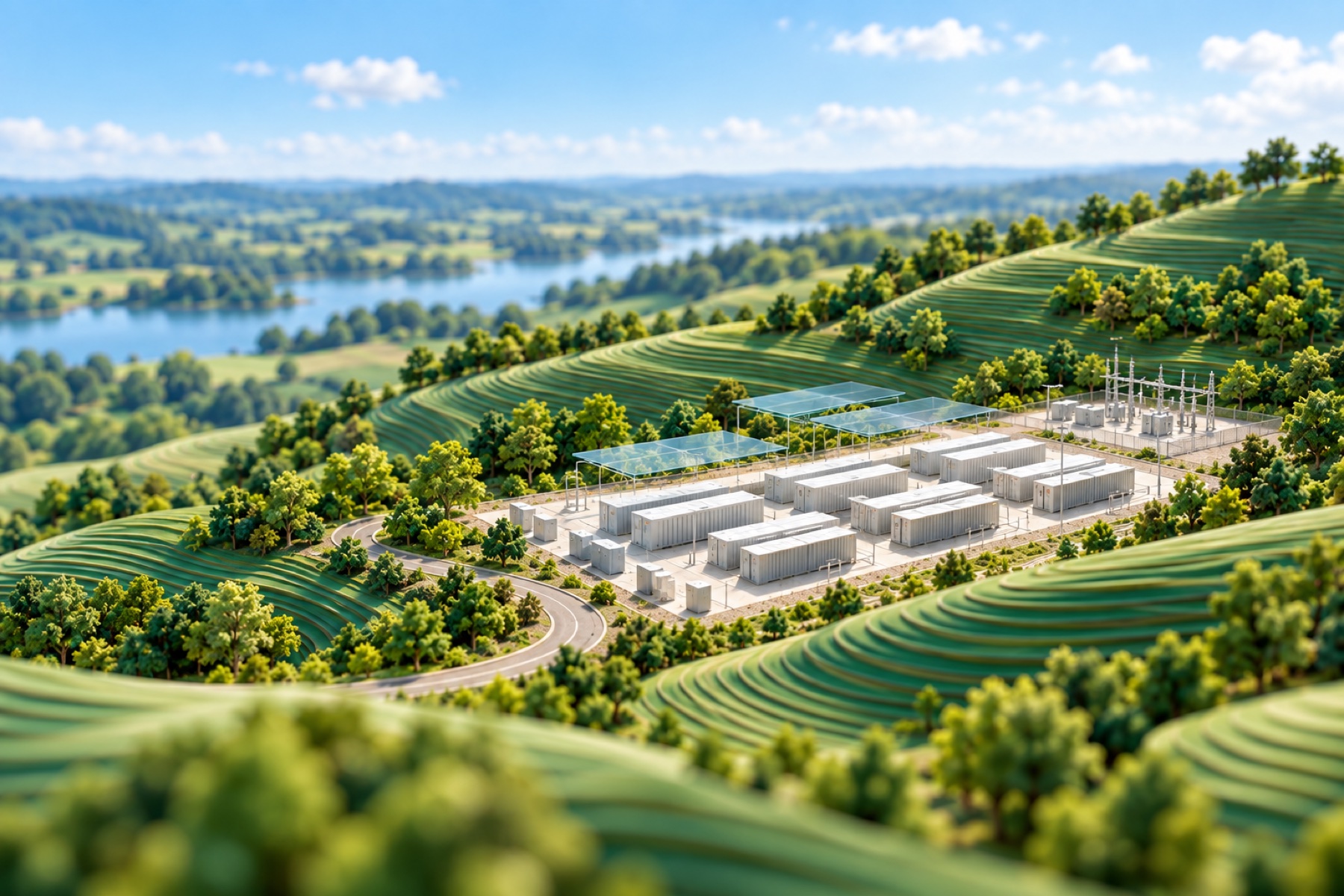
An exception area is land treated separately under the preservation arrangement. Do not use that label alone to decide whether a battery project can fit. Ask a surveyor and your adviser to compare the recorded boundary, any remaining restrictions and the full proposed layout.
SADC’s exception-area guidance, updated April 17, 2026, distinguishes severable from nonseverable areas. The latter remains tied to the farm; the former may be divided subject to local requirements. The guidance says exceptions cannot be added, moved or expanded after preservation. It also addresses access and supporting facilities.
Ask whether the drawing fits the actual exception, including gates, turning space, drainage and construction activity. If the only workable cable route crosses preserved land, flag that separately. Keeping the battery units inside a boundary does not answer every question about the rest of the project.
For example, an exception around a farmhouse might look large enough on an aerial image while the proposed entrance lies outside it. That is a hypothetical boundary problem, not a finding about a Hunterdon property. Ask for a revised drawing and an explanation of the required rights before considering the offer.
Reference: SADC: June 2026 owner resource booklet, exception guidance and sample deed
Include the road, cables and work areas in the first drawing
Ask the company to show its route from the public road to the equipment area. Include the places vehicles would turn, wait or unload. Identify which entrance serves your home, tenants or farm deliveries so you can discuss how those uses would continue.
Trace the electrical route separately. Where would a trench, pole, connection cabinet or other equipment go? Would the company need a right across another lot, a retained field or a neighbor’s property? Ask which part of the proposal depends on a route that has not been secured.
Construction can use a wider area than operation. Ask where soil, stone, containers and machinery would be stored and whether temporary routes would be needed. Have temporary and continuing rights shown differently so they are easy to compare.
Give the team the drainage information you know, including tile, ditches, wet areas and previous repairs. Ask who would design the work, who would be responsible for damage and how any affected farm routes would be restored. Request a plan that lets you understand the effect on the property you keep using.
Want to ask about your land?
Send the location and what you know. You don’t need a project plan.
Tell us about your landDo not treat an existing business as permission for a new use
An old business on a farm may have its own recorded treatment. Ask whether it was described in the preservation documents, whether it remains active and which land and structures the description covers. A barn once rented for storage is not enough information to establish a different project’s rights.
The booklet’s nonagricultural-use guidance explains that a Schedule B use is tied to its recorded scope. The sample deed limits changes and expansion. Have the actual farm documents reviewed before treating an old use as a basis for a new battery project.
Ask the company to describe the proposed use plainly: what equipment is involved, whom it serves, what activity takes place and what area it occupies. A label such as storage can refer to very different things. Compare the description with the actual recorded use rather than relying on a similar word.
If someone says the company can use an existing approval, request that approval and the explanation in writing. Ask what would change in location, buildings, traffic, noise and activity. Keep unresolved preservation questions separate from the company’s view of the commercial opportunity.
Reference: SADC: June 2026 owner resource booklet, exception guidance and sample deed
Separate preserved rights, tax treatment and project approvals
Ask three separate questions: what rights can the owner grant, what tax consequences might follow, and what approvals would the proposed project need? A useful answer identifies the records and decision-maker for each question. One favorable answer should not be used to skip the other two.
Identify the municipality as well as Hunterdon County. Ask the project adviser to explain the state and municipal route for the actual proposed use and layout. Include environmental, fire, construction and utility matters in the explanation. This page does not establish a zoning category or permission for a particular parcel.
If the property receives farmland assessment, ask the municipal assessor about the proposed change and the land it affects. Our separate New Jersey farmland-assessment guide explains questions to raise about tax treatment. An assessment record should not be used in place of a recorded preservation deed.
Have the company distinguish an early inquiry, an application, an approval and a completed utility connection review. Ask what remains uncertain and what evidence would resolve it. Nearby lines, an empty field or a proposed project elsewhere are not proof that your property has a workable connection.
If you are applying for preservation, discuss both proposals early
You may be considering preservation at the same time as an energy offer. Put both proposals in front of your advisers before making a commitment. Explain the intended land, access and timing for each so you can see whether they rely on the same rights.
Hunterdon’s currently linked application is dated August 1, 2025. It asks about exception areas, existing uses, written purchase or lease offers, municipal applications and owner authority. It is a preservation application, not a battery approval form.
Keep a copy of the full energy offer and its map. Ask the preservation coordinator how the proposed rights should be addressed in the preservation process. Ask the energy company which decisions it needs before continuing its review. Avoid assuming that a pending application has already settled the final boundaries.
If you revise a proposed exception, ask how that affects the preservation work already underway and the energy offer. Keep the latest drawings clearly dated. Make sure both teams are discussing the same configuration rather than different versions of the property.
Reference: Hunterdon County: August 2025 landowner preservation application · Hunterdon County: farmland preservation board and current resources
Understand the signature and the authority behind it
Before signing an option, access permission or application acknowledgment, ask what that document does. Does it merely identify the owner, permit a visit, reserve land or grant a continuing right? Review its attachments and the area it covers alongside the signature page.
If family members own the farm together, make the ownership clear early. If an LLC, corporation, trust or estate holds title, ask your adviser who can act for it and what documentation is needed. A person managing the farm may have a different role from the person authorized to grant land rights.
Ask whether a mortgage, tenant agreement, prior easement or other obligation needs separate review. Identify who is responsible for obtaining any necessary consent and who pays for that work. Do not promise that a third party will agree before its position is known.
Keep a copy of what you sign and the drawing in force at the time. Ask to review later changes that affect boundaries, access or permitted activity. The company’s need to move quickly should not leave you unsure what use of the property you have authorized.
Make an agreement address an unresolved preservation question
Ask how long the company may investigate the property and what happens if it cannot establish the required rights. Identify the decision date, extension rights, payment during the review and the steps that release the land when the investigation ends.
If the proposal changes after the deed review, ask for the new layout and payment terms together. A smaller equipment area may still require a long access or cable route. Compare the complete grant with the property uses you intend to retain.
Discuss responsibility for survey, title review, applications and professional costs. Ask who pays if a proposed route or site is abandoned. Keep the company’s commercial review separate from any obligation it wants you to undertake.
For any authorized visits or physical work, agree on notice, permitted activity and repair. Identify who responds to a damaged gate, disturbed drain or unfinished trench. If the project changes companies, ask how those duties and contacts carry forward.
Send the location and explain the restriction you know about
Use the form to send your contact details first, then the property location. Hunterdon County and New Jersey are editable starting entries. Exact acreage and a parcel number are optional, so you can inquire without collecting every document beforehand.
Tell us the municipality, street or nearby intersection you know. Mention whether the farm is preserved, whether you believe there is an exception area and whether you are considering another offer or preservation application. If you are unsure, say so; there is no need to guess the legal status.
We may follow up for property information and documents needed to understand the possible opportunity. An inquiry does not establish eligibility, authorize a site visit, submit a preservation or project application, or commit you to an agreement.
Questions landowners ask
Does owning a preserved farm mean I still have every development right?
Ownership and the rights to develop land are different questions. Check the recorded preservation deed and attachments to identify the rights retained and the restrictions that apply.
Does an exception area automatically work for battery storage?
No. Check its actual terms and boundaries, the access and supporting areas a proposal needs, and the separate approvals for the proposed use. This page does not determine parcel eligibility.
Can the batteries fit while the access route creates a problem?
Yes. Ask for the entrance, cable route, drainage and temporary work on the same survey as the preserved land and exception area. Review every required right.
Can an old storage business establish permission for a battery project?
Do not assume that. Compare the recorded description, permitted scope and approvals with the actual proposed battery use. A similar name does not establish the same rights.
Do I need the preservation deed before I contact Sunland?
You can send an initial inquiry with the location and what you know. Parcel details are optional. We may ask for the recorded documents as review proceeds.
Sources & further reading
Sources checked 2026-10-07. Local rules and program details can change. Check the requirements for the actual project.