
Ask which process covers the proposed battery
The Town’s September 22 announcement points to state guidelines and forms for the new consolidated local pathway. The announcement does not approve a named battery project or establish that any particular parcel qualifies.
Ask the company to identify the process for its actual design and the office that will receive the application. What determines whether it is a small clean energy project under these rules? Is the proposed battery standalone or part of another facility? Ask for that explanation before relying on a generic timetable.
DOER’s current guidance page distinguishes its work developing rules and supporting municipalities from reviewing or issuing project permits. Ask who makes the decisions for this proposal and which approvals the company expects the chosen route to cover.
Separate the public application from the electrical connection review and the private land agreement. Ask what remains unresolved in each. A company can have made progress in one area while still needing studies or rights in another.
Tell the team about any existing agreements, tenants, lenders or co-owners. Have your adviser check the permissions needed before the company treats the property as available for its application.
Reference: Town of Charlton: October 1 consolidated permitting announcement · Massachusetts DOER: current clean energy siting and permitting guidance
Review the material that will describe your property
The final state pre-filing guideline calls for municipal and public engagement before an application, subject to its exemptions. It describes collecting feedback and documenting how it was addressed. A meeting announcement is not a final project decision.
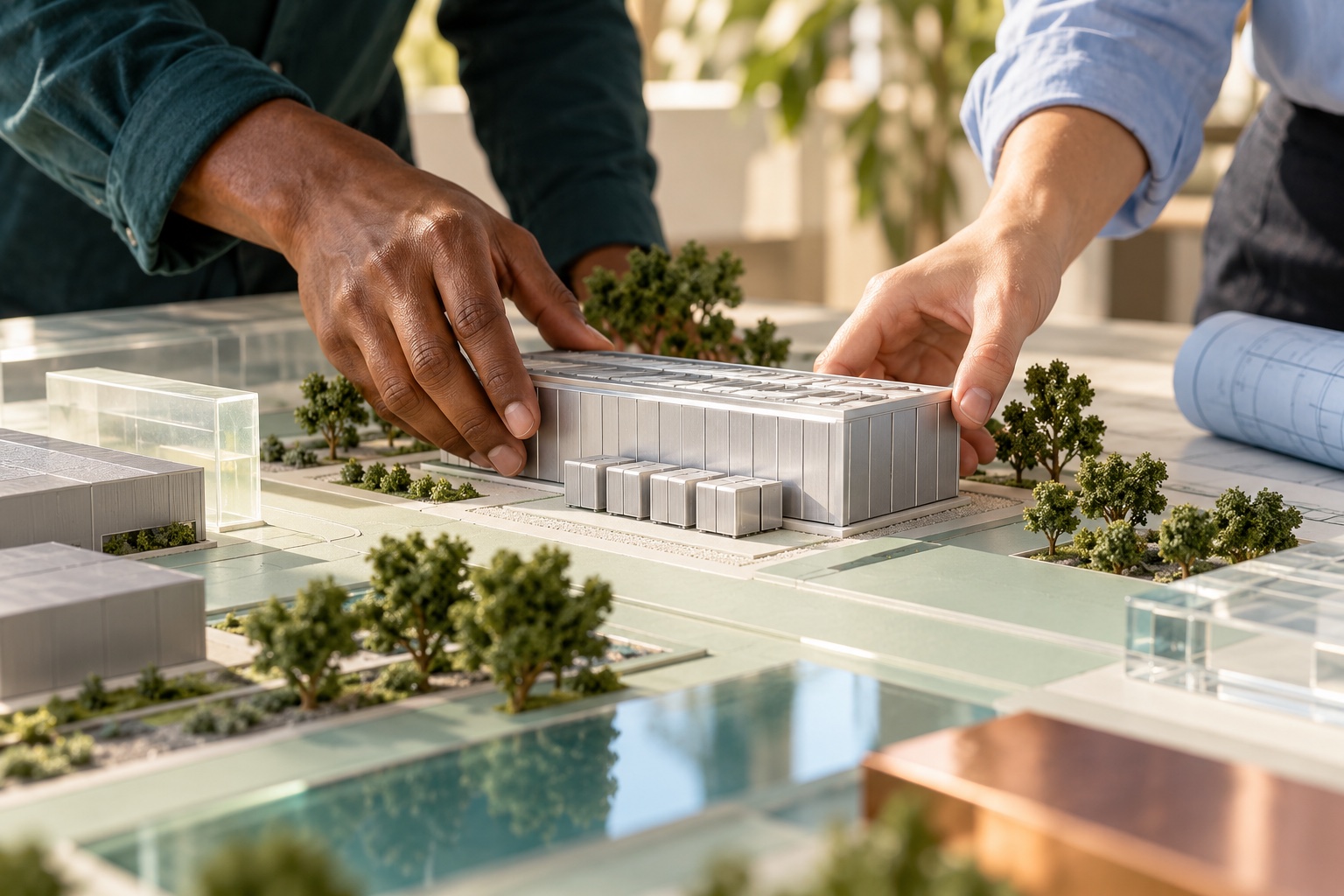
Ask for the proposed notice, drawing and plain description before they are distributed. Does the drawing show the whole land commitment, including access, cables, temporary work areas and any land intended for mitigation? Identify the version and date.
If you are offering only part of the property, ask how the rest will be described. For example, a plan showing a wooded area beside the battery fence should make clear whether it is retained land or also being proposed for another commitment.
Agree on who will answer questions about the site and who may speak for you. Clarify whether the company is representing only its proposed project or also making statements about your intentions. Have your adviser explain any authorization you are asked to sign.
Discuss what happens if you identify a mistake in a notice or drawing. Who corrects it, how are recipients told and which later materials will use the corrected version? Keeping records consistent helps you compare the public proposal with the terms you are considering.
Reference: Massachusetts DOER: final pre-filing stakeholder engagement guideline
Put community requests beside the land agreement
The state guideline includes discussion of site suitability, impact reduction and possible community benefits during engagement. Those discussions can lead to requests about the design. They do not by themselves tell you which land rights or costs you would accept.
Ask the project team to list proposed changes affecting your land after each important meeting. Are they considering a different entrance, more planting, a wider clear area or a change to the equipment footprint? Request the revised drawing rather than relying on a verbal summary.
Compare each change with your plans. Would it block a farm route, tenant entrance, future building area or access to retained woodland? Ask the company to explain the alternatives it considered and what it wants from you.
Distinguish a suggestion, a company commitment and an issued permit condition. Ask who made the request and whether it has been decided. Have your adviser compare any proposed commitment with the authority you granted and the agreement you would sign.
Discuss payment, maintenance and removal for any additional land or improvement. If a planting area or other obligation continues after the battery lease ends, identify the document that controls it and who remains responsible.
Reference: Massachusetts DOER: final pre-filing stakeholder engagement guideline
| Public proposal item | Question for your agreement |
|---|---|
| Changed entrance or road | Which land can the company enter or use? |
| Planting or screening | Who maintains it, and for how long? |
| Land for mitigation | What restrictions and end dates are proposed? |
| Community commitment | Who pays and who may bind the property? |
| Revised drawing | Does the signed description match this version? |
Want to ask about your land?
Send the location and what you know. You don’t need a project plan.
Tell us about your landKeep pre-filing dates separate from option dates
The final guideline describes a 60-day application window after the local representative signs the pre-filing completion checklist. It also explains the consequence of missing that window and repeating pre-filing requirements. That public step does not extend your private option.
Ask when the company expects to complete engagement, submit the application and receive the next decision. Compare those dates with the option term, notice deadlines and payments. Ask which record supports a step described as complete.
If the developer needs more time, request the reason and the proposed extension in writing. How much longer would the property be reserved? What payment is due? Which uses can you continue during that period?
Discuss what happens if another round of outreach or a design revision is needed. Find out whether the company expects further access, surveys or investigations, and whether your existing authorization covers that work.
An expected permitting timetable is not a promise of operating rent. Ask what event starts each payment and what happens if the project cannot proceed. Include written releases of recorded rights and repair of study damage in that discussion.
Reference: Massachusetts DOER: final pre-filing stakeholder engagement guideline
Check the connection before treating the design as settled
Ask for the proposed electrical connection point, responsible utility and current study stage. What costs remain estimates? Which rights are needed beyond your parcel? Request the source of any statement about capacity or a workable route.
Have the company show electrical routes on the same drawing as the battery area. A connection change can affect a driveway, retained land or an area being discussed for mitigation. Ask how those changes would reach you and when another agreement would be needed.
If the proposal depends on neighboring land, ask what has actually been secured. Discuss what happens to your option while those other rights are being negotiated. A line shown on a drawing is not proof that the company can use all the land it crosses.
Keep the current drawing, permissions, public records and connection explanation together. That gives you a clearer basis for comparing a later request with the offer you first received.
Tell Sunland about the property and what you want to keep
Begin with your name, email and phone, then the location in Charlton. Mention the current use and whether you are considering a lease, sale or only a portion of the land. Detailed acreage and parcel information are optional for an initial inquiry.
If a company has already discussed a public meeting or application, say which documents you have and what remains unclear. You do not need to complete a permit form or prepare a project plan yourself before contacting Sunland.
An inquiry does not reserve the land or authorize public filings. Further review still needs to establish the project’s process, electrical connection, requested rights and commercial fit.
Questions landowners ask
Does Charlton’s announcement approve my land for a battery project?
No. Ask for the process and requirements for the actual parcel and design.
What should I see before outreach starts?
Ask for the proposed notices, dated drawing, project description and the authorization the company wants from you.
Does a pre-filing meeting mean construction can start?
No. Ask which decisions have been issued and which approvals and connection steps remain.
Can community feedback change the land commitment?
Ask for any proposed design or rights changes and compare them with your agreement before accepting them.
Will public review dates extend my option?
Check the private agreement. An expected public milestone does not replace its extension, notice and payment terms.
Can I ask about my land without a project plan?
Yes. Start with contact details and the property location.
Sources & further reading
Sources checked 2026-10-05. Local rules and program details can change. Check the requirements for the actual project.