
Start with what is on the property today
A former industrial use may leave more than an empty parcel. List the buildings, tanks, foundations, paved areas and services you know about. Include any current use you want to retain. Ask the project team what it proposes to remove, reuse or leave in place.
Keep the existing layout beside the proposed one. If something disappears from the new drawing, ask who removes it and when. If it stays, ask whether the battery company would maintain it or expect you to do so. Resolve those questions before comparing a payment with the space requested.
Think about the next use of the property too. A restored grassed area, a working paved yard and a site ready for another building are different outcomes. Describe the condition you want rather than relying on a promise to leave the land tidy.
Check which version of the plan you are reviewing
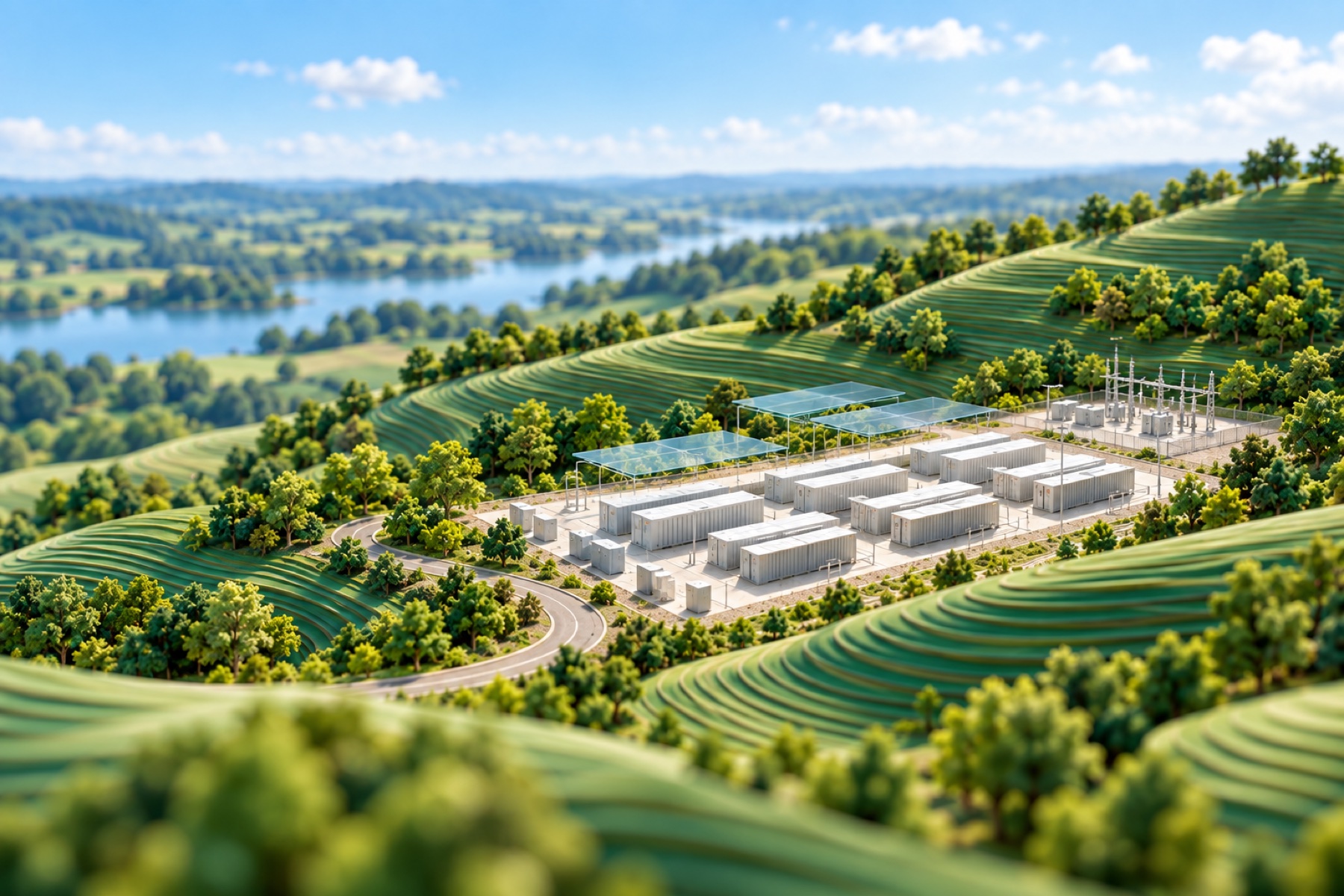
The town’s Salt Cod directory lists revised plans and draft supporting documents. Its accepted September 17 minutes record continued review and an extension of time for a decision. Those records describe a review process, not a final approval for your property.
Ask the developer to identify the latest submitted layout, the decision that applies and any approvals still needed. Match the date on the drawing with the date in the document you are asked to sign. If a layout changes, ask how you would receive it and which changes need your agreement.
Use a nearby project as a source of questions. It does not establish an available electrical connection, a similar payment or the same permitting route for your parcel. Have the project team explain your proposal on its own facts.
Reference: Town of Somerset: Salt Cod proposal and current review documents · Town of Somerset: September 17, 2026 ZBA minutes, accepted September 24 · Salt Cod: August 28, 2026 revised permit plans posted by the town
Understand what the site assessment covers
VHB’s September memorandum describes historical fuel storage and environmental assessments for the Salt Cod site. It reports that those assessments did not identify a reportable release at the site and describes a planned soil-management process during development. That is a site-specific assessment, not a finding about other industrial properties.
For your property, ask which areas and past uses the investigation covers. Does it include the construction area, an access route or land where removed material would be stored? Ask a qualified environmental adviser to explain the findings and any further work needed.
Discuss who arranges and pays for testing, material handling and any response to an unexpected discovery. Ask what would happen to the schedule and the land agreement if work had to stop. Have your adviser review those responsibilities in the written proposal.
Reference: VHB: September 3, 2026 environmental assessment memorandum posted by the town
Want to ask about your land?
Send the location and what you know. You don’t need a project plan.
Tell us about your landKeep access and drainage on the same drawing
The proposed battery area is only one part of the change. Mark entrances, truck routes, gates, drainage structures and the places you need to reach. If you keep a business or another use on the property, explain its normal deliveries and maintenance needs.
Ask how construction access differs from operating access. Could a contractor occupy your entrance or store material on retained land? Would a new gate change who can reach an existing building? Resolve the temporary arrangements as well as the permanent rights.
For shared drainage, ask who inspects and maintains it, how repair access works and who pays. If equipment is removed later, establish which drainage features would remain useful to you and which would be removed. The restoration plan should agree with the future use you want.
| Existing feature | Question to resolve |
|---|---|
| Tanks, foundations or old equipment | Who removes or maintains each item? |
| Shared entrance or paved yard | Which use can continue during construction? |
| Drainage or buried services | Who can reach, repair and pay for them? |
| Land outside the battery area | What work or rights extend into it? |
Separate the removal method from the money behind it
The town’s September minutes distinguish equipment-removal planning from financial security. Salt Cod’s posted draft removal plan also describes restoration and equipment removal. A draft is not an adopted requirement or the protection in your own land agreement.
Ask two questions: what work must be done, and how would that work be paid for? Identify who removes the equipment, repairs surfaces and returns the site to the agreed condition. Then have your adviser review the funding, responsible company and what happens if that company changes or stops operating.
Check buried cables, foundations, roads and drainage separately. Would any stay underground or remain for another use? Record the agreed outcome. A general reference to decommissioning can leave you uncertain about whether the property would actually be usable again.
Reference: Town of Somerset: September 17, 2026 ZBA minutes, accepted September 24 · Salt Cod: draft decommissioning plan posted by the town
Send the location and the use you have in mind
Start with your contact details and the Somerset address or parcel reference. Tell us what is on the property, what you want to retain and whether you would consider a lease, sale or use of only part of the land.
If you have a battery proposal, mention whether it includes a dated layout or site assessment. You do not need to commission a report before making an inquiry. Sunland can follow up for the records needed to review the actual property.
A project still depends on its connection, design, land rights, approvals and commercial terms. Sending the location does not commit you to a transaction or authorize a permit application on your behalf.
Questions landowners ask
Does a nearby battery proposal mean my industrial land qualifies?
No. Your property needs its own connection, layout, rights, approvals and commercial review.
Should I arrange an environmental report before contacting Sunland?
No completed report is required to inquire. Share the location, known past uses and any records you already have. Further investigation depends on the actual proposal.
Is a removal plan enough to protect the owner?
Review both the work promised and the funding behind it. Draft public documents do not replace the terms of your private agreement.
Sources & further reading
Sources checked 2026-10-04. Local rules and program details can change. Check the requirements for the actual project.
- Town of Somerset: Salt Cod proposal and current review documents
- Town of Somerset: September 17, 2026 ZBA minutes, accepted September 24
- Salt Cod: August 28, 2026 revised permit plans posted by the town
- VHB: September 3, 2026 environmental assessment memorandum posted by the town
- Salt Cod: draft decommissioning plan posted by the town