
Check the decision, not just the document title
The August 25 meeting materials contain a Planning Board petition for a temporary battery moratorium. The October 6 Legislative Affairs and City Council agendas list the request as item 159-26. At this guide’s October 5 source check, that meeting was still upcoming.
These records show a proposal moving through the City’s process. They do not establish enactment or an effective date. Ask for the later Council action, final text and any subsequent changes before treating the proposal as a current restriction.
If a company says the City has banned batteries, ask which issued record supports that statement. If it says the proposal will not affect its project, ask for the project-specific explanation. Neither an agenda entry nor a prediction answers whether your parcel and design can proceed.
Keep the dates beside the documents when comparing an offer. A summary written before the next meeting may need updating. Your agreement should explain what happens during uncertainty rather than assume a particular public decision.
Reference: Fitchburg: battery moratorium petition in August 25, 2026 meeting materials · Fitchburg: October 6, 2026 Legislative Affairs agenda, item 159-26 · Fitchburg: October 6, 2026 City Council agenda · Fitchburg: current agendas and minutes
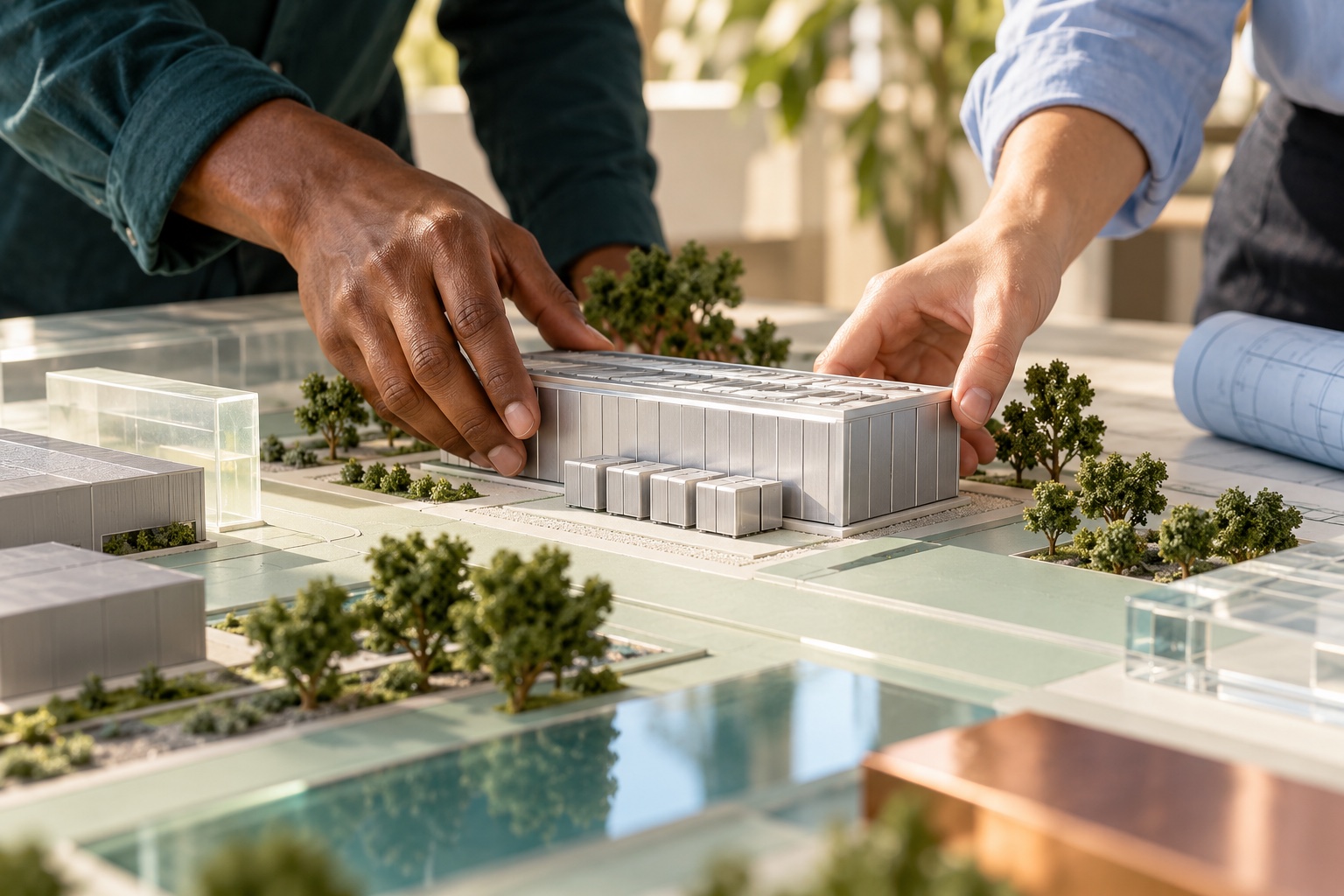
Find out which installation the offer describes
The petition describes a proposed category covering standalone or accessory commercial systems from 250 kilowatt-hours to less than 100 megawatt-hours. It also describes exemptions and a twelve-month period tied to the amendment’s effective date, with earlier replacement by permanent zoning. These are provisions of the proposed text, not confirmed operating rules.
Ask the team for both the battery’s power and stored-energy ratings. They are different measurements. A proposal described only by a megawatt figure may not tell you how it relates to a category stated in megawatt-hours.
Have the team identify whether it proposes a new facility, additional equipment at an existing facility, or equipment serving a business. Ask the reviewing authority which route applies to that exact design. Do not treat the draft’s description of an exemption as an issued determination for your project.
If the design or capacity changes, revisit the explanation. A smaller footprint, a different operating purpose or a new connection route can change the questions that need to be answered. Keep the current drawing with the offer.
Reference: Fitchburg: battery moratorium petition in August 25, 2026 meeting materials
A solar-site battery approval has a limited lesson
The March 12, 2019 Planning Board minutes record approval of a site-plan modification for battery backup at the existing 239 Fisher Road solar array. The presentation placed the equipment within the array near its inverters and described removing a row of panels.
That is a historical decision concerning an addition to a particular solar site. It does not establish the current operating status, available expansion rights or a general approval route for standalone batteries elsewhere in Fitchburg.
If you already have solar on your land, ask for the existing decision, approved plan and land agreement before discussing batteries. Does the requested change fit those documents? Would it require additional rights or another public review?
A battery pad is only part of the land question. Compare the proposed roads, cable routes, construction space and retained solar access with the rights already granted. Identify who can agree to a change and whether an existing tenant or project owner must participate.
Reference: Fitchburg Planning Board: March 12, 2019 minutes, 239 Fisher Road
Want to ask about your land?
Send the location and what you know. You don’t need a project plan.
Tell us about your landAn eligible-circuit label does not qualify your parcel
DOER’s May 29, 2026 workbook lists three eligible Unitil circuits with Fitchburg-only location labels and another labeled Fitchburg/Ashby. Those labels help direct further investigation. They do not identify the circuit serving a specific property.
The workbook’s remaining allowance concerns the Clean Peak distribution circuit incentive. It is not spare electrical hosting capacity or confirmation that the allowance remains available today. Do not allocate a multi-town circuit to your parcel because Fitchburg appears in its name.
Ask which circuit and connection point the developer is considering, what the utility has reviewed and whether an approved incentive reservation exists. Keep the electrical study, connection agreement and program paperwork separate.
If the offer relies on both an incentive and a connection, ask what happens when either one is delayed or unavailable. The proposed local rule, the utility’s requirements and the company’s business case each need their own explanation.
Reference: Massachusetts DOER: eligible-circuit workbook, updated May 29, 2026
| Record or claim | What the owner still needs to know |
|---|---|
| Moratorium petition | Was final text adopted, and how does it apply? |
| Historical solar-site approval | Does the actual decision cover this change? |
| Eligible-circuit label | Which circuit actually serves the proposal? |
| Remaining incentive allowance | Is there a current approved reservation? |
Compare the option period with the unresolved work
Ask how long the developer wants to hold the property before rent or a purchase payment begins. Separate the initial option payment, extension payments and later compensation. Identify the final release date if the project does not proceed.
Have your adviser review any extension for a change in zoning or permitting delay. Who may exercise it, what notice is required and what additional payment is owed? A predicted meeting outcome should not be the only explanation for a long reservation.
Explain uses you expect to continue: a tenant, business entrance, woodland access, farming or a future sale of part of the land. Mark the reserved area and rights across retained land. Discuss any restrictions before accepting the option.
For example, an offer for an unused corner may also request an entrance through your business parking area. Find out when construction would occur, how access would be maintained and who pays for damage or restoration. Compare the full request with the payment.
Ask for the current application route and documents
Fitchburg’s Planning Division directs site-plan and special-permit applications to OpenGov and links zoning materials. Its Planning Board page says completeness is determined by the Principal Planner and that filing by the deadline does not guarantee the next agenda.
Ask the team which applications the actual installation needs, what has been filed and what remains unresolved. Request the current zoning determination, decisions and drawings it relies on. A portal receipt establishes a submission, not approval.
Use the City’s current filing calendar when discussing a schedule. Allow the team to explain completeness review, requests for more information and any later hearing or decision. Do not promise a permit date from a standard meeting schedule.
Ask separately about equipment removal, damaged roads, drainage, insurance and transfers. A public procedure does not establish who owes you money or restores your land. Those responsibilities belong in the documents for your own arrangement.
Reference: Fitchburg Planning Division: applications and current reference materials · Fitchburg Planning Board: application completeness and agenda requirements
Tell Sunland about your property and your plans
Start the form with your name, email and phone number, then the property location. Worcester County and Massachusetts are selected on this page and can be changed. Acreage and parcel references are optional.
Mention an existing solar agreement, tenant, development plan or offer you have received. If a company has mentioned the moratorium proposal or a circuit incentive, tell us what it says and any deadline it has given you.
You can begin without a complete project file. The inquiry does not reserve your land, authorize access, file an application or promise qualification. It starts a conversation about the property and what you want to do with it.
Questions landowners ask
Do the October 6 agendas prove Fitchburg adopted a battery moratorium?
No. As checked October 5, they list the request for an upcoming meeting. Ask for the later Council action and final text before relying on a restriction or exemption.
Does the 2019 Fisher Road decision approve standalone batteries throughout Fitchburg?
No. It records a modification at an existing solar array. A new site or different design needs its own current review.
Does a Fitchburg circuit label mean my property qualifies for Clean Peak?
No. Confirm the actual circuit, current reservation status and project requirements. The dated allowance is not electrical hosting capacity.
Should I calculate the proposed twelve-month pause from the packet date?
No. The petition ties its proposed period to an effective date. The packet and agendas do not establish enactment or that date.
Do I need acreage or a parcel number to contact Sunland?
No. Those fields are optional. Begin with your contact information and the property location.
Sources & further reading
Sources checked 2026-10-05. Local rules and program details can change. Check the requirements for the actual project.
- Fitchburg: battery moratorium petition in August 25, 2026 meeting materials
- Fitchburg: October 6, 2026 Legislative Affairs agenda, item 159-26
- Fitchburg: October 6, 2026 City Council agenda
- Fitchburg Planning Board: March 12, 2019 minutes, 239 Fisher Road
- Fitchburg Planning Division: applications and current reference materials
- Fitchburg Planning Board: application completeness and agenda requirements
- Fitchburg: current agendas and minutes
- Massachusetts DOER: eligible-circuit workbook, updated May 29, 2026