
Use River Park as an example, then check your own proposal
The dated RMLD announcement says the River Park Energy Storage System was commissioned on May 13, 2025, at 500 Riverpark Drive in North Reading. It identifies Teradyne as site host and Kearsarge Energy as the developer partner. This shows how different parties can participate in a hosted project; it does not supply their private land agreement.
If a company uses River Park to explain an offer, ask what is comparable. Is your proposal on an occupied campus, vacant land or a leased business property? Would it use the same kind of electrical arrangement? Request the reasoning for the actual location.
Confirm the electric provider and municipal jurisdiction for your parcel. A project in North Reading does not establish the zoning route for Reading, Wilmington or another town. The review should follow the property and proposed works rather than a nearby project’s name.
The same 2025 announcement described another system as planned for 2026. That was a stated plan at the time, not evidence here of later completion or a current request for more private land. Ask for a dated solicitation or project-specific response if a developer claims a utility is seeking your site.
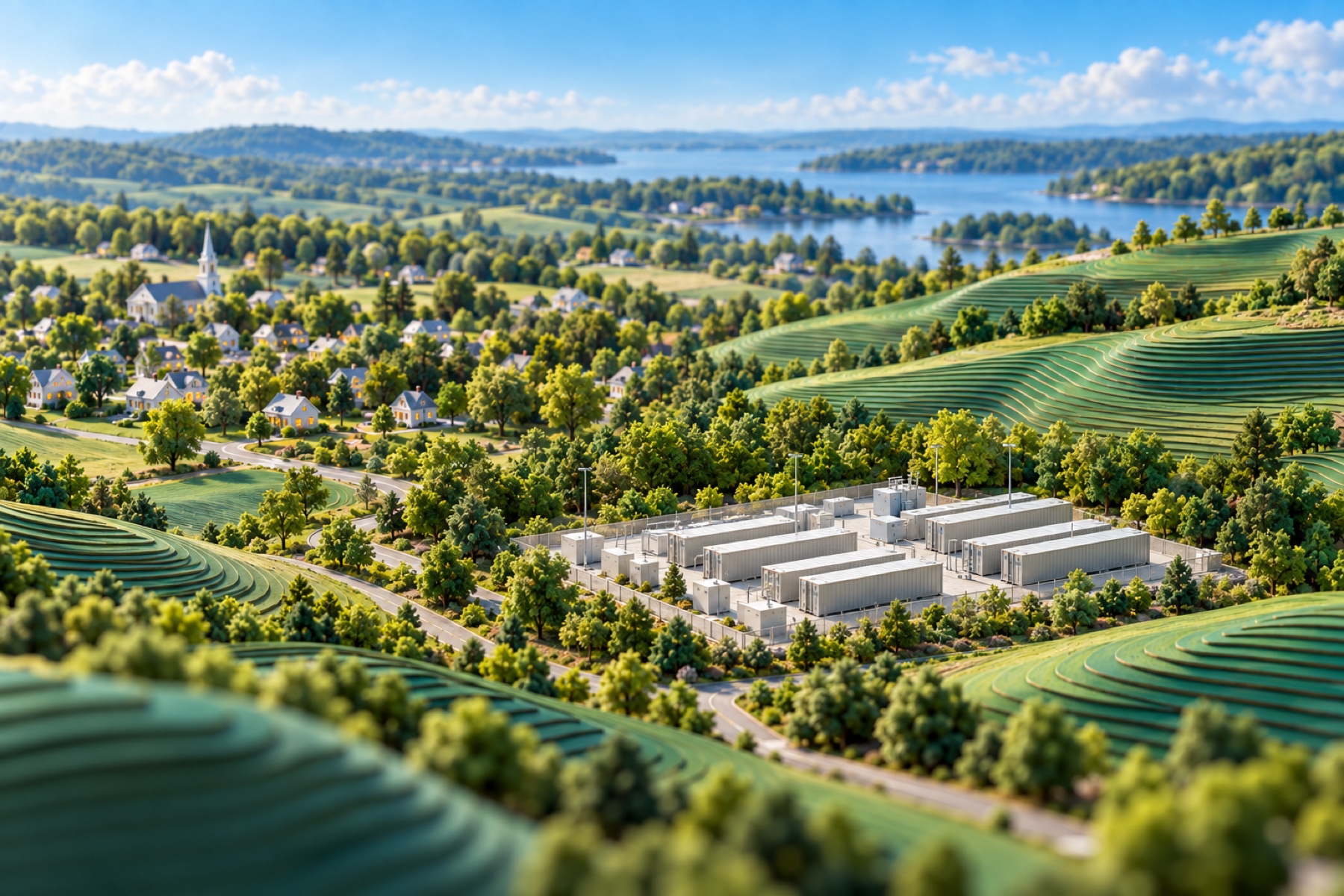
Identify who signs and who owes the land payments
Have the developer draw a simple list of the parties: landowner, site host, project company, equipment owner, operator and utility. Several roles may belong to one company, but your documents should name the entities responsible for payments and work.
If you own a building occupied by a tenant, ask whether the tenant is also being asked to participate. Who holds the electric account? Does its lease already cover the proposed parking, access or equipment area? Discuss those obligations before offering the same space to another party.
Request the land agreement separately from any electricity or operating agreement. Ask who pays rent, when it starts and whether payment depends on another company or contract. If the project company is new, discuss how its obligations are supported with your adviser.
RMLD’s contact page separates customer programs from purchasing and other functions. A customer-program conversation does not by itself demonstrate a utility purchase contract for your proposal. Ask the company to identify the actual utility arrangement and the record supporting its claim.
| Party or record | Owner question |
|---|---|
| Land agreement signer | Who owes payments, repairs and removal? |
| Site host or tenant | Whose land, routes and account are involved? |
| Project operator | Who manages the equipment and daily concerns? |
| Utility agreement | What service or purchase arrangement supports this proposal? |
Keep the rest of the property working
Ask for a plan showing the battery area, access, electrical equipment and temporary work zones. Add loading docks, fire routes, tenant parking and the routes your business relies on. Compare the complete occupied area with the space described in the payment offer.
Discuss construction deliveries before agreeing to the location. Which entrance would trucks use, when would deliveries occur and who keeps the route usable? If a turning area or crane setup takes additional space, identify when that space must be returned.
Ask how operating access works after construction. Who may enter, who holds gate keys and where would maintenance vehicles park? Review utility and emergency access alongside ordinary deliveries and tenant commitments.
Have the responsible team explain the actual safety and access plan. A list of equipment at River Park is an example from that project, rather than a design for your land. Request the requirements and approved drawings for the battery being proposed to you.
If the layout changes, ask for the revised drawing before granting more land rights. Check whether a relocated cable, entrance or drainage feature affects an area you intended to keep. The agreement should explain how those changes are requested and accepted.
Want to ask about your land?
Send the location and what you know. You don’t need a project plan.
Tell us about your landSeparate electricity savings from income for the land
RMLD describes its commercial peak demand response program as bill credits for participating nonresidential customers who reduce use during peak periods. Those customer credits are a different arrangement from payment for hosting a battery on land.
If an offer combines rent with expected electricity savings, ask for each amount and condition separately. Is the payment fixed, based on performance or dependent on an account holder’s participation? Who receives the credit, and who carries the risk if the result is lower than expected?
For leased commercial space, clarify whether a credit would go to the tenant’s account while rent goes to the property owner. Ask whether both parties need to consent and how a tenant change affects the arrangement. Do not assume a benefit shown on a business’s bill becomes income for the owner.
Ask for the assumptions behind a savings estimate. Does the battery serve the business, discharge to the grid or have another role? Have the project team establish any program eligibility for the actual configuration. The published demand-response page alone does not qualify a proposed battery.
Keep promised property payments easy to identify in the agreement. Ask when they are due, what deductions or offsets are allowed and what happens if the utility or operating arrangement changes. Your adviser can then compare the land commitment with the income actually promised.
Agree what happens during delays and after a transfer
List the remaining steps before the project can be built and operated. Ask who is responsible for connection work, permits, construction and operating arrangements, and what evidence supports the proposed dates.
Compare that list with the time the company wants to reserve the property. Check the initial option period, extension payments and final end date. A utility benefit or a completed project elsewhere does not explain how long your land would be held.
Agree the event that starts rent and the payment during any earlier hold. If construction affects tenant access before operations begin, ask what duties and compensation apply during that period.
If the project is sold, identify how the new company assumes payments, insurance, access, repairs and removal. Keep updated contacts and copies of amendments. A change of operator should leave the working property with a clear person to call.
Review the end of the arrangement while the drawing is still being discussed. Which equipment, foundations or roads are removed, what may remain at your request, and who pays to restore the site? Include temporary areas and cable routes in that review.
Tell us about your property and existing uses
Start with your name, email and phone, then the property location and county. Massachusetts is editable on this page. Acreage and a parcel number are optional. Add the electric provider if known, or say that it needs confirmation.
Mention buildings, tenants, shared entrances and any offer you have received. Tell us which space you might make available and what your business or tenants must keep using. You can begin a discussion without a finished project layout or a utility application.
The form starts a conversation with Sunland. It does not enroll you in an RMLD program, reserve land, authorize entry or submit a utility request. The design, connection, permissions and private payment terms still need to be established.
Questions landowners ask
Does the River Park example tell me what my land would earn?
No. The announcement does not supply its private land terms. Review the payments and conditions in your actual offer.
Are demand-response bill credits the same as land rent?
No. Identify the account receiving any credit and the party owing the property payments separately.
Can I host a battery while a tenant uses the property?
Review the tenant’s rights and the proposed equipment, access and account arrangements before offering the space.
Does a plan announced for 2026 prove it is operating now?
No. Request a later dated record for the actual project and milestone being claimed.
Do I need a layout before contacting Sunland?
No. Send contact details, the location and the uses you want to retain. Acreage and a parcel number are optional.
Sources & further reading
Sources checked 2026-10-06. Local rules and program details can change. Check the requirements for the actual project.