
Choose the Massachusetts resource
National Grid’s Massachusetts System Data Portal includes feeder and substation information, voltage, loading and hosting capacity. Use the Massachusetts resource for a Massachusetts proposal, rather than a page for another state.
Confirm the electric delivery utility serving the parcel. If there is a bill, identify the utility there; if there is no service, say so. A familiar supplier or gas-service name does not by itself establish who reviews the electrical connection.
Reference: National Grid: Massachusetts System Data Portal
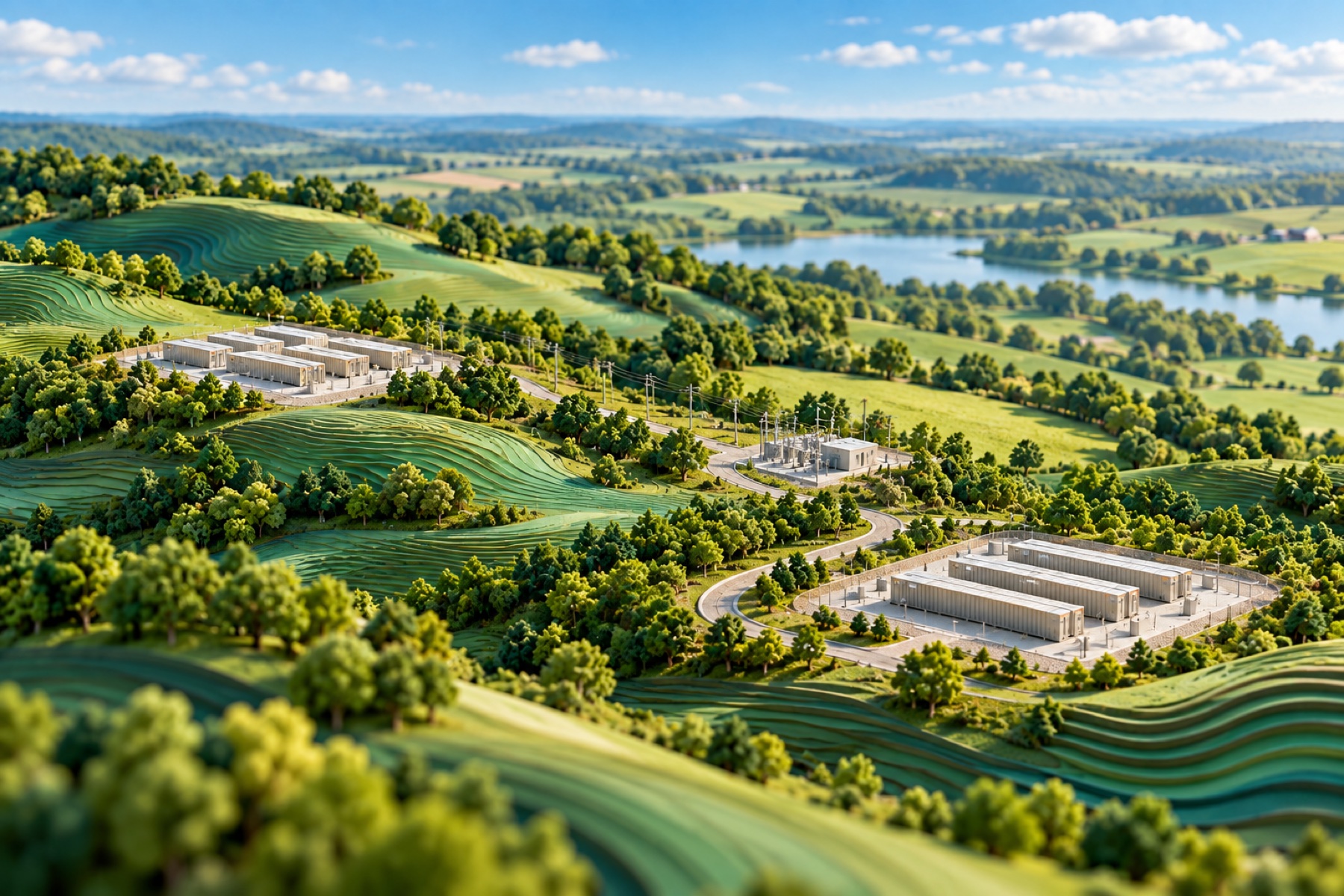
A feeder map is an early screen
The portal introduction says system configurations change and map information is updated periodically. It states that actual connection requirements and costs are determined after detailed studies of the location, operating characteristics and timing.
Ask the developer which layer was reviewed, when it was updated and where the connection is proposed. If the only evidence is a favorable color, ask what has been checked beyond that screen. An owner should not have to infer a project budget from a map legend.
Reference: National Grid: portal purpose and connection limitations
Charging needs to be checked too
National Grid’s 2023 Massachusetts grid plan explains that standalone batteries need both load-serving capacity to charge and hosting capacity to discharge. That is a technical distinction; the plan’s old queue totals are not current available capacity.
Ask how the proposed charging and export modes are being evaluated. If a developer describes only solar-style generation capacity, ask about charging assumptions before treating the site as a viable storage connection.
Reference: National Grid: 2023 Massachusetts grid plan, charging and export discussion
Want to ask about your land?
Send the location and what you know. You don’t need a project plan.
Tell us about your landThe electrical route can affect other land
Ask for the route between the battery equipment and connection point. Mark the land you control, access you need to retain and any neighboring property the route would cross. Do not assume the nearest line is the approved point.
If an easement is needed, ask what it allows, who maintains the equipment and how construction areas are restored. A lease for a small equipment area can still require rights across the rest of the parcel.
The town approval is a separate question
Include the city or town in your property description. Ask which current permitting process applies to the proposed use. A utility map does not approve the land use, noise plan, access or other local conditions.
Have the developer explain what remains uncertain in both reviews. Before signing an option, ask how the timeline and payments work if a connection study or approval takes longer than expected. Find out when the reserved land is released if the project stops.
What to send with an inquiry
Start with the location and your contact details. Add the utility, parcel number, approximate area and current use if known. You can inquire without reviewing the portal yourself or choosing a battery rating.
If you have a prior proposal, mention it and the records available. Tell Sunland what you want to preserve and whether you are considering a lease, sale or both. A further investigation must establish project-specific feasibility and terms.
Questions landowners ask
Does the portal guarantee an inexpensive connection?
No. National Grid says project-specific requirements and costs follow detailed studies.
Does a 2023 queue figure show capacity available today?
No. It is historical information, not a current capacity reservation or parcel qualification.
Can a utility map approve the town land use?
No. The electrical connection and applicable land-use process must each be checked.
Sources & further reading
Sources checked 2026-10-04. Local rules and program details can change. Check the requirements for the actual project.