
Start with the project type and the parcel
Section 5-12024 of the Illinois Counties Code addresses defined energy storage systems outside municipal zoning jurisdiction. Its definition excludes storage associated with commercial solar or wind facilities. It also limits county restrictions in agricultural or industrial zones; that does not make every parcel ready to build.
Ask the developer to identify the project type, proposed size and responsible approval office in writing. If batteries would share a solar site, ask why the team believes its chosen route applies. Give the parcel location and any existing approvals; do not rely on the postal address to settle jurisdiction.
Reference: Illinois General Assembly: Counties Code, section 5-12024 (energy storage systems)
Have the rules explained on a drawing
The statute addresses layout, public review, drainage and removal. It also contains an exception concerning applications submitted before the relevant amendment took effect. Ask the team to identify the provisions and application date it is relying on.
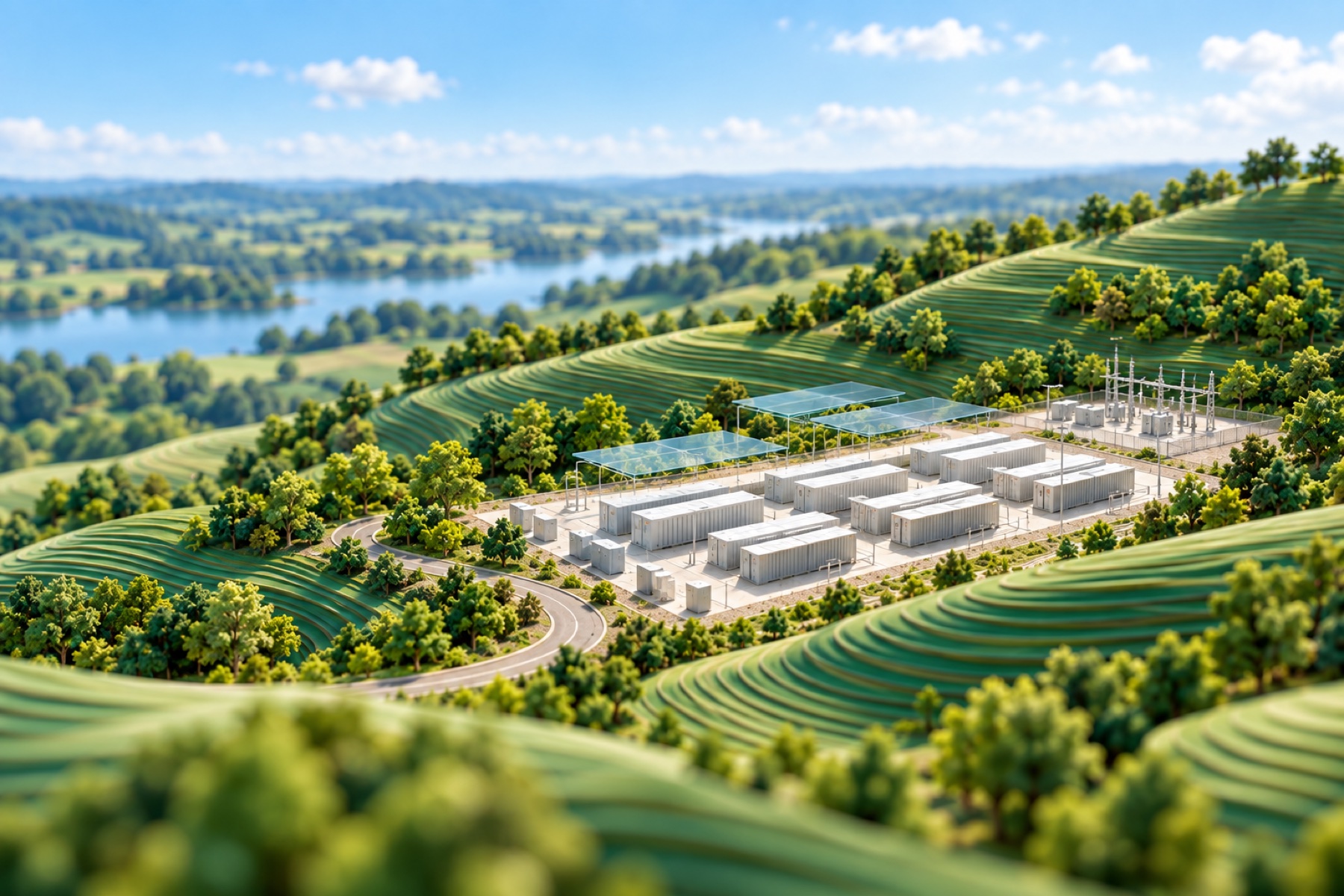
Request a dated drawing showing the property boundary, equipment, roads, cables and construction areas. Mark buildings and land you want to keep using. Ask the designer to explain what determines the usable equipment area and whether the arrangement changes if you exclude a particular field or entrance.
Reference: Illinois General Assembly: Counties Code, section 5-12024 (energy storage systems)
| Bring to the discussion | Ask the project team |
|---|---|
| Parcel and current use | Who handles this property and this design? |
| Proposed layout | Which areas are occupied or crossed? |
| Existing agreements | Does anyone already control these rights? |
| Approval records | Which decisions are final, and what remains? |
Do not sign a consent you do not understand
The law provides for certain siting provisions to be waived with affected owners’ written consent. If asked for a consent or waiver, have its effect explained and reviewed before signing.
Ask which drawing the document refers to and what would change without your consent. Find out whether it concerns your own project area or equipment on someone else’s land. Keep a copy of the final document and plan. If the project changes, ask how you would learn about it and which decisions would come back to you.
Reference: Illinois General Assembly: Counties Code, section 5-12024 (energy storage systems)
Want to ask about your land?
Send the location and what you know. You don’t need a project plan.
Tell us about your landKeep drainage and access visible
Before allowing investigations, share the drainage information you have: tile maps, ditches, wet spots, previous repairs or routes needed for farm equipment. Say when a record is incomplete. Ask who would locate buried infrastructure and how the team would document conditions before work begins.
Request a clear process for reporting damage and arranging repairs. Ask who handles a problem affecting land outside the equipment area and whether your tenant or farm operator needs to be involved. Review the proposed road alongside the drainage plan; a route that looks convenient on a map may conflict with the way you currently use the property.
Separate public approval from your agreement
A public decision and a private option or lease answer different questions. Ask the developer to list the decisions still outstanding and to explain how those dates relate to your agreement. If an approval arrives while the electrical studies remain unfinished, find out whether the project can extend its reservation and what you receive during that time.
For an option, identify entry rights, payments, extensions and release terms. For a lease, identify the rent start, area used, responsibility for damage and obligations after a transfer. Have the final documents reviewed for your circumstances. Do not assume that an approved project gives you a payment schedule or protection that is absent from your agreement.
Ask what happens at the end
Request the removal plan and ask who is responsible for carrying it out. Find out which equipment, foundations, cables and roads would be removed, what might remain by agreement and what condition the land would be returned to. Compare that plan with the uses you expect to resume.
Ask what financial support would pay for removal and who can claim it if the operator stops responding. Have any difference between the public plan and the land agreement explained. Keep the operator’s contact details and understand how they would be updated after a sale or change in ownership.
You can start with the information you have
Use the form to send Sunland your contact details and property location. Add the current use, municipality if known and whether an offer involves storage alone or an existing solar site. Mention any application, approval or agreement that someone has already identified.
You do not need to interpret the statute, submit an application or hire an engineer before making an inquiry. We can start with the facts you have. Further work still needs to establish the rights, design, connection, approvals and commercial fit. An inquiry does not authorize a filing or commit you to lease or sell.
Questions landowners ask
Does an agricultural zone settle whether my land works?
No. Ask about the actual layout, approval route, electrical connection and rights needed for the proposal.
Can I use the same approval explanation for storage alone and storage with solar?
Ask the project team to identify the applicable route for its design rather than assume the two are interchangeable.
What if I have already received a waiver or option?
Mention it in your inquiry and have its effect explained before signing. You can begin with the information you have.
Sources & further reading
Sources checked 2026-10-04. Local rules and program details can change. Check the requirements for the actual project.