
Start with the parcel, not just the mailing address
A property with a town name in its postal address may have a different zoning authority. Include the parcel number and whether you know the land is incorporated or unincorporated. You can still inquire if you do not know the answer.
The adopted county storage section includes a provision for sites within one and a half miles of a municipality involving annexation or an annexation agreement. Ask the county how it applies to your parcel and whether a municipality needs to be involved. Do this before relying on a county-only approval schedule.
Reference: DuPage County: adopted storage ordinance, September 8, 2026 · DuPage County: zoning inquiry
The new ordinance makes the layout important
The September 8, 2026 action adds Section 37-430 for energy storage. It addresses separation from neighboring uses and roads, fencing, sound, drainage, decommissioning and emergency planning. The official record shows adoption, even though the item title still says “proposed.”
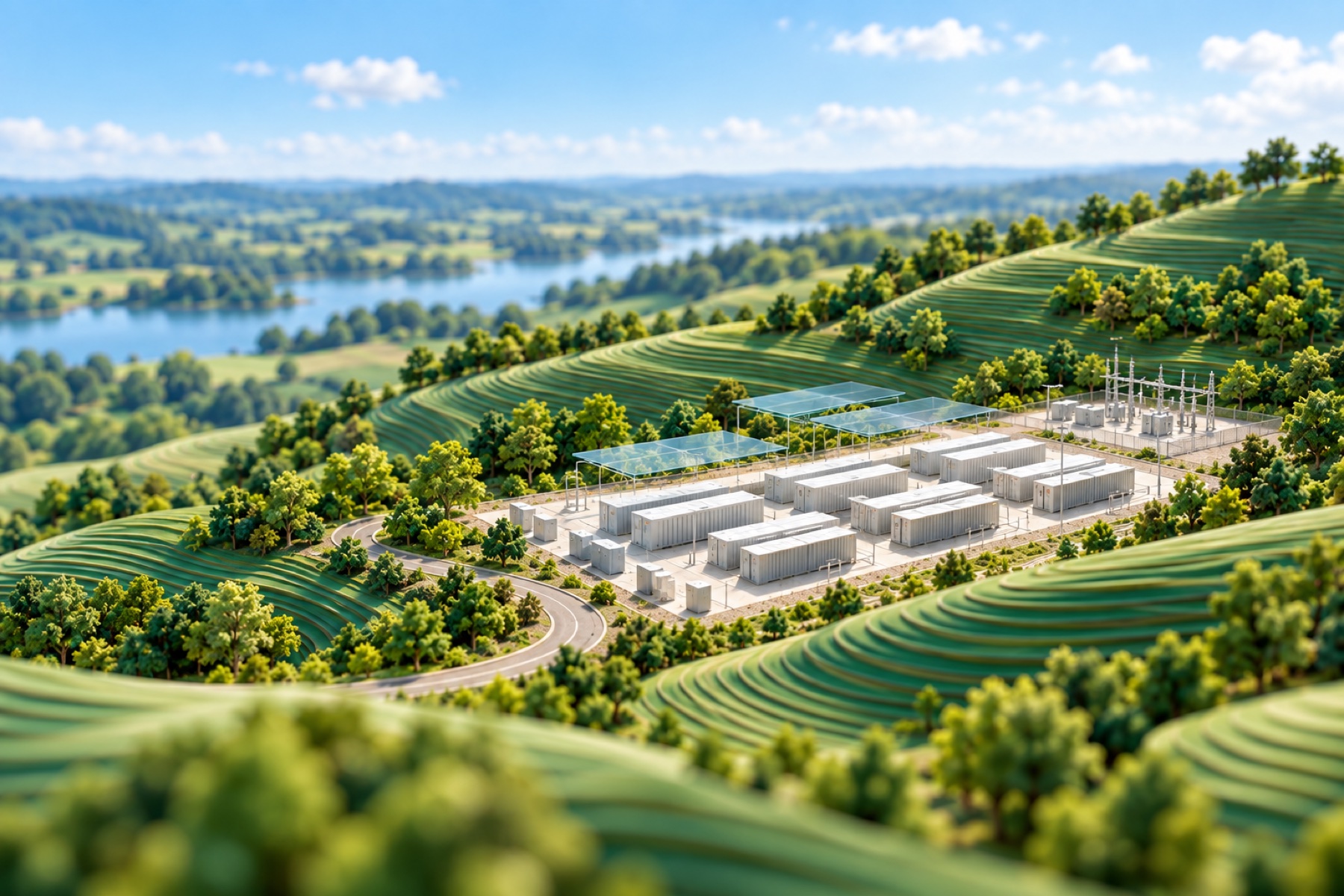
For an owner, the useful next step is a drawing. Ask the developer to show battery enclosures, the entrance, nearby homes and buildings, property lines and the cable route. A rectangle marked “three acres” is not enough to explain what would change on your land.
Reference: DuPage County: adopted storage ordinance, September 8, 2026
Keep existing drainage and access in the discussion
Tell us about drainage tile, wet areas, shared drives and entrances you use now. If you have records of drainage work, keep them with your property documents. The county’s storage section specifically addresses farmland drainage and removal plans.
Ask who would document existing conditions, repair damage and maintain the entrance after construction. If you plan to keep using the rest of the property, show the routes that must remain open. Do not leave those needs until a final equipment layout has already been agreed.
Reference: DuPage County: adopted storage ordinance, September 8, 2026
Want to ask about your land?
Send the location and what you know. You don’t need a project plan.
Tell us about your landA nearby substation is a reason to investigate
It does not establish that the proposed project can connect. Tell us the utility name from an electric bill if the parcel has service. If the land has no service, include that fact rather than guessing from a line beside the road.
Ask what connection work has actually been done: an early map review, a submitted application or an engineering study. Ask which costs remain unknown and who pays for that work. The ComEd guide explains one storage-specific map resource if ComEd is the relevant utility.
Agree on what happens if the project stops
An option can reserve land while a developer investigates the site. Ask how long it lasts, what you are paid during that period and what happens if approvals or a connection do not work out.
For a lease, ask about removal funding and restoration as well as rent. Have the agreement identify responsibility for equipment, foundations, roads and cables at the end. The county review and your private agreement answer different questions; ask for both to be explained.
Send a location and a short property description
Start with contact details and the property location. Add the parcel number, current use and the part you could consider if you have them. You do not need to decide whether to lease or sell before contacting Sunland.
A helpful note might say: “I want to keep the building and western driveway. The unused area is behind the building; I am unsure which office handles zoning.” That is enough to start a conversation about what needs checking.
Questions landowners ask
Is the September ordinance an approval for my property?
No. It sets out county rules. Your parcel, municipal relationship, proposed layout and utility connection need their own review.
Do I need to know whether the parcel is incorporated?
No. Include the address and parcel number if available, and say that you are unsure. Identifying the responsible authority is part of the next research.
Can I keep part of my land?
You can ask about making only part available. Access and cable routes also need to be shown before you agree to a reserved area.
Sources & further reading
Sources checked 2026-10-04. Local rules and program details can change. Check the requirements for the actual project.