
Find out what the proposed start date means
A date in a developer’s update may refer to equipment delivery, construction completion, testing, connection or commercial operation. Ask which event it describes. These events can occur at different times, and your agreement may use one of them to start a payment or other obligation.
Request a short schedule showing what is complete, what remains and the party responsible for each item. A useful update explains the next step and any unresolved dependency. It should help you plan around the work on your land.
Separate the company’s forecast from the date promised in your agreement. If the schedule moves, find out whether payments, access rights or extension deadlines move with it. Keep the written update with the agreement rather than relying on a phone conversation.
Ask who will notify you that the relevant milestone has occurred and what record you receive. This matters when a project is ready to use the land but the company says a later event starts rent.
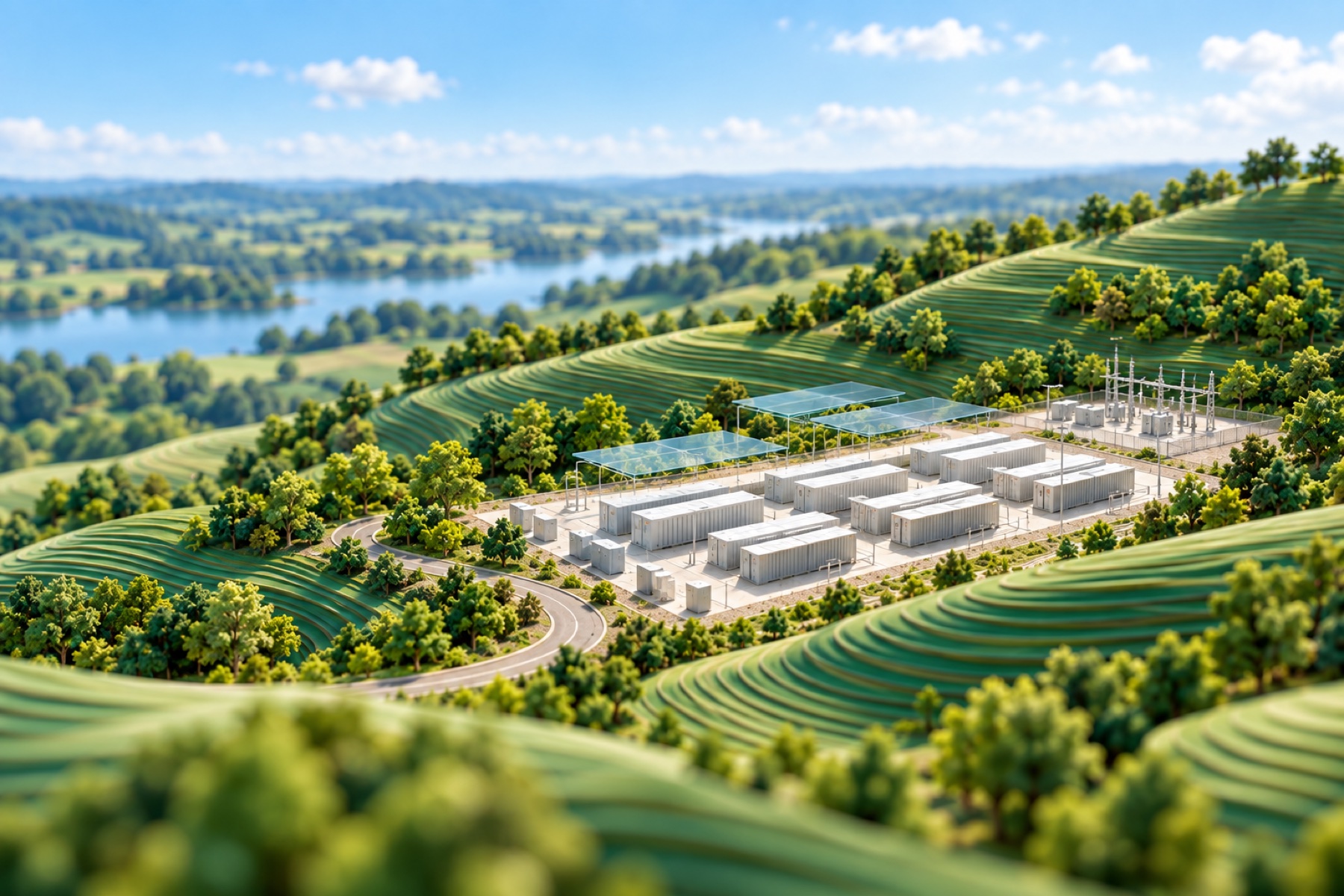
Confirm the approval and operating requirements for this site
Identify the parcel jurisdiction and proposed use before following a county checklist. A county address can be within a municipality. Ask whether the storage is separate or associated with a commercial solar or wind facility, and how that configuration affects the applicable rules.
Madison County’s currently linked code contains a battery section, 93.109. It addresses application information and separate documents before commercial operation. The text also allows a combined application for co-located solar and storage. Have the project team explain which provisions govern this proposal.
Illinois section 5-12024 has its own defined scope, excludes storage associated with specified solar and wind facilities, limits county standards and has an exception for certain earlier applications. Compare the county text, current state law and actual filing history with qualified advisers.
Request the project’s written decisions and a list of remaining approvals or submissions. Ask who confirms that the equipment may enter service. A filing receipt or construction permit alone does not explain the complete operating status.
The county storage section discusses commissioning, hazard mitigation and emergency operations records before service. Ask the operator to explain the required documents, their status and the information relevant to you as the property owner.
Reference: Madison County: currently linked zoning code, battery storage section 93.109 · Illinois General Assembly: county storage authority and requirements, section 5-12024
Keep a record of what was actually built
Before crews leave, compare the completed work with the current drawing and land-agreement boundaries. Locate the gate, fence, service road, electrical equipment, cable routes and drainage work. Record any temporary areas still occupied.
Ask for corrected site records if construction differs from the drawings you received. You need to understand where the operator has rights and which parts of the property remain available for your use. Keep the earlier versions as well, so changes can be explained.
Arrange a way to record unfinished work and damage. Photographs, a written description and the location can help the responsible company understand the issue. Identify who receives the record, who inspects it and how you will learn that a repair is complete.
An owner walkthrough is useful for access and property condition. It does not replace the operator’s technical checks or the required official review. Keep those responsibilities with the parties named in the project documents.
| Before crews leave | Information to keep |
|---|---|
| Current site layout | Equipment, access and cable locations |
| Temporary work areas | Release date and restoration duties |
| Unfinished work or damage | Responsible contact and repair record |
| Operating access | Keys, notice arrangements and retained routes |
| Payment milestone | Trigger, date and confirmation record |
Want to ask about your land?
Send the location and what you know. You don’t need a project plan.
Tell us about your landKnow who takes over from the construction crew
The construction contact may stop working on the project once their job ends. Request the operating company’s full name and current contact information. Ask which company remains responsible under your land agreement if the operator is different.
Keep separate contacts for routine access, property damage and urgent site concerns. Ask how to reach the responsible person outside normal office hours and how you will be told when the contact changes.
The county storage text addresses emergency planning and responder training. Ask what the operator will share with you about site access and reporting, and how it keeps that information current.
Discuss your role clearly. Owning the property does not tell you who maintains the equipment, opens gates for responders or handles a service incident. Those responsibilities should be explained by the project team and reflected in the relevant agreements.
Reference: Madison County: currently linked zoning code, battery storage section 93.109
Agree on ordinary visits and use of the land
Ask what normal operation will involve: scheduled servicing, deliveries, vegetation work and access to roads or electrical equipment. Find out which activities require notice to you and how unexpected work is handled.
Describe any uses that continue on the property, including farming, tenant access, deliveries or routes to buildings. If people share an entrance, agree on how vehicles pass and where they can stop without blocking it.
Check responsibility for gates, fences, roads and vegetation outside the equipment enclosure. If you notice a damaged gate or an overgrown area, who acts and who pays? A maintenance arrangement should identify a company and a process.
For example, a service visit could conflict with a delivery to a building you still use. A temporary repair area could occupy a route to a field. These are situations to discuss using the actual site drawing, not descriptions of a local project.
Close out construction damage without losing the repair contact
List issues affecting the land you continue using, even if they are outside the battery fence. Look at entrances, crossings, disturbed soil and known drains. Tell the company about problems that appear after rain or seasonal use.
The county storage section addresses farmland drainage restoration and crop damage responsibilities. Ask how the project’s actual drainage and repair documents apply to the work on your property.
Agree on how later problems are reported. Who investigates a damaged drain after the contractor has left? What information does the company need, and how does it arrange repairs while you keep using the land?
Have your agreement reviewer check any release, completion acknowledgement or settlement you are asked to sign. Understand what it covers and how it affects unresolved or later-discovered damage. Keep copies of the inspection and repair records.
Reference: Madison County: currently linked zoning code, battery storage section 93.109
Review payments, transfers and the end of the project
Check the payment provisions against the project’s actual stage. Identify amounts owed during development, construction and operation, plus the due dates and notice requirements. Ask the responsible company to explain any discrepancy in writing.
If the project is delayed or stops, find out what happens to occupied work areas and your ability to use the property. Discuss maintenance, access and disturbance during the interruption as well as payment obligations.
Removal protection should cover the facilities and rights actually used. Ask for the project’s proposed removal plan and funding documents, and compare them with the restoration promised in the land agreement. Establish who performs the work and who can use the funds.
If a different company takes over, request the records showing who assumes the obligations. Update contacts without discarding the earlier agreements. Ask your reviewer how you receive notice of a transfer and what protections apply.
Keep these records where you can find them when selling, refinancing or explaining the land use to another owner. The arrangement should be understandable from the documents years after the original construction team leaves.
Check what each owner signature permits
The county’s general zoning application separates applicant, owner and project representative. Its declaration addresses owner permission to apply and official inspection access. Read the completed document and attached plan you are actually asked to sign.
Application permission, study access, construction rights and operating access need clear explanations. Compare each requested signature with the land agreement and ask your reviewer to resolve differences before work is authorized.
Confirm the current project-specific filing requirements with the applicant and county. The older general packet’s fee and meeting information should not be assumed to control a battery proposal.
Reference: Madison County: general zoning hearing application and owner signatures · Madison County: zoning administration and application resources
Tell us where the land is and what stage the proposal has reached
Use the form to send your contact details and then the property location. Madison County and Illinois are starting entries you can edit. Exact acreage and a parcel number are optional for an initial inquiry.
Mention the current land use and whether you are considering an offer, reviewing plans or asking about work already proposed. Describe the part you want to understand, such as a payment trigger, changed access or the handover to an operator.
We may follow up for more information about the property and opportunity. You can inquire without a finished engineering plan. The inquiry does not authorize entry, submit a county application or commit you to a lease or sale.
Questions landowners ask
Does construction completion automatically start my rent?
Read the payment trigger in your agreement. Ask the company which milestone has occurred, how it is documented and when the related amount is due.
Who do I contact after the construction contractor leaves?
Get current operating and property-repair contacts before the handover. Identify the company responsible under the land agreement and how contact changes are communicated.
Should I keep the original plan if the site changed?
Yes. Keep earlier versions along with corrected current records so the changes and land rights can be explained.
Can I sign a construction closeout without resolving damage?
Have your reviewer explain the document’s scope and effect on unresolved or later-discovered damage before signing.
Do I need an exact parcel number to inquire?
No. Send the location and the information you have. Exact acreage and a parcel number are optional for the initial inquiry.
Sources & further reading
Sources checked 2026-10-07. Local rules and program details can change. Check the requirements for the actual project.