
Get the current documents for your proposal
The August minutes record approval of the NFPA-855 adoption ordinance with local amendments and zoning text amendments Z26-0017 and Z26-0030. A vote record does not provide the complete requirements for your site. Ask for the final adopted text, including any amendments, and the office that can confirm how it applies.
Give the team your parcel location and ask whether county or municipal zoning governs it. A mailing address does not settle that question. If batteries would be added to an existing solar or business site, explain that combination when asking about the review route.
Request a short list of required decisions and who is responsible for each. What has actually been submitted? Which drawing was reviewed? What remains unresolved? Keep the answer with the dated documents rather than treating a reference to a standard as a complete approval plan.
You can ask about your land before you know its zoning or have a project design. Share what you know and ask the team to identify what still needs checking.
Reference: McHenry County: official code directory · McHenry County published code: legislation through August 19, 2025 · McHenry County: August 18, 2026 board minutes, ordinance actions
Discuss inspection access before granting entry rights
Ask who may need to visit during investigation, construction and operation. Distinguish the company’s contractors from public officials and emergency responders. Have the team explain which visits arise from the proposed agreement and which relate to public review.
Review the actual entry clause with your adviser. How much notice is given, which areas can be entered and who accompanies visitors? Discuss gates, keys, livestock and occupied buildings before signing a broad right to enter the property.
If a tenant or another business uses the property, bring its agreement into the discussion. Explain when deliveries, customers or farm operations depend on the entrance. Ask how visits would be coordinated without blocking those activities.
Identify a contact who can respond to an access problem. Discuss how damage would be reported, documented and repaired. An informal promise that someone will be careful does not explain the process if a road, fence or crop is affected.
Mark the routes needed to keep the property working
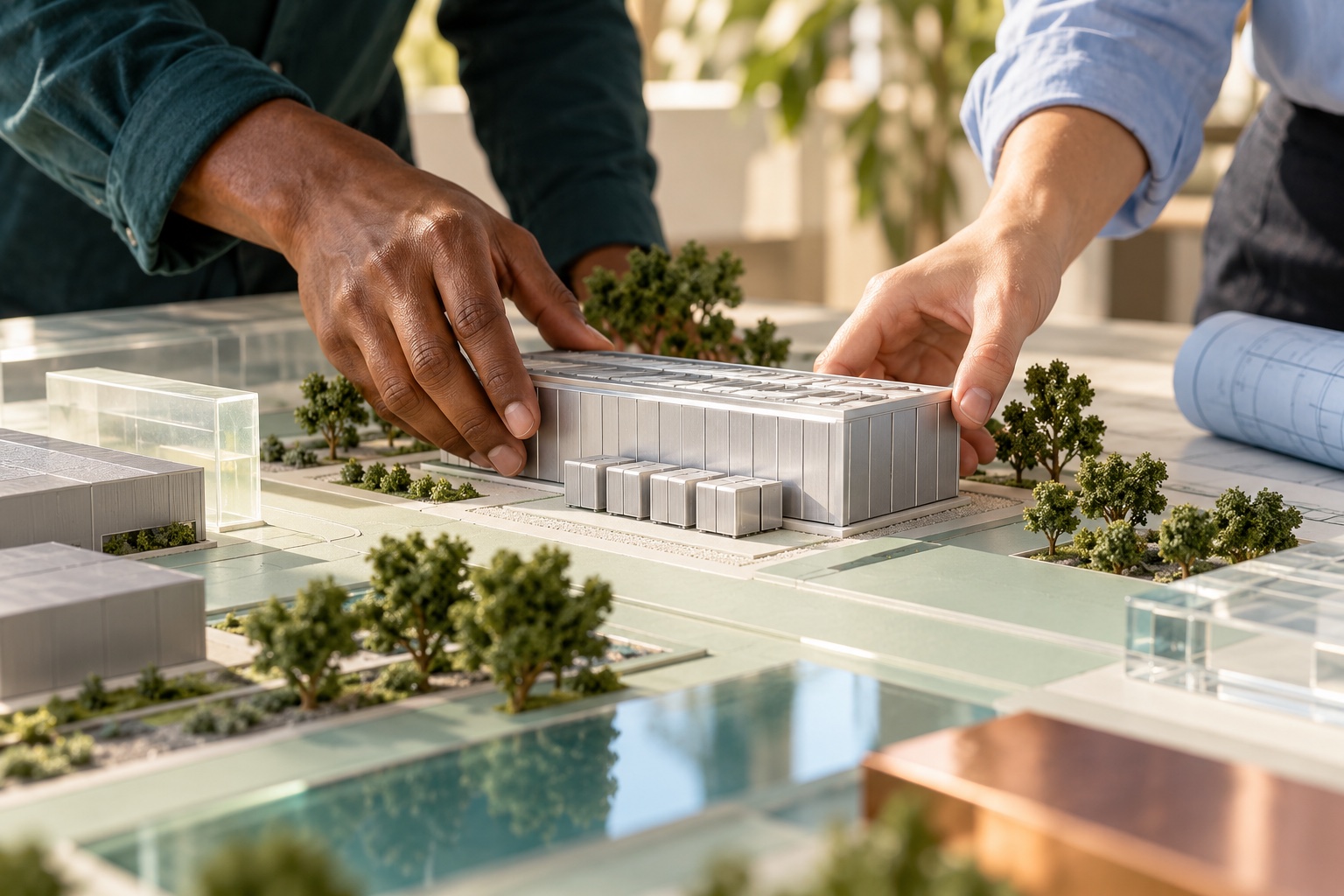
Ask for a drawing showing equipment, fences, access, electrical routes and temporary work areas. Then mark entrances, turning areas, drainage and the land you need to retain.
Discuss the same drawing with the team responsible for safety and emergency planning. Would proposed access change the area the company wants to reserve? Does a route cross land you intended to keep farming, parking on or developing?
For a shared drive, ask who maintains it and how gates would work during an urgent visit. Can your own vehicles still reach the remaining land? Discuss who pays for an improvement and who repairs damage from heavy deliveries.
Compare the complete plan with the option, lease and easement descriptions. A fenced battery area may be only one part of the rights requested. Ask for the reason and payment terms for every additional area.
| Access or use | Question to resolve |
|---|---|
| Investigation visits | Who enters, with what notice and permission? |
| Shared entrance | How do tenants, farm vehicles and deliveries pass? |
| Operating access | Who manages gates and maintains the route? |
| Temporary work area | When is it returned and who repairs it? |
Want to ask about your land?
Send the location and what you know. You don’t need a project plan.
Tell us about your landAsk who handles operating changes and concerns
Request the operating company’s contact and the process for reporting noise, drainage, lighting or access concerns. Ask which records you will receive if the problem affects your property.
Discuss changes before they happen. If equipment is replaced, the entrance moves or more space is needed, who sends you the revised drawing? Have the agreement explain which changes need your consent.
If a project is sold, ask who takes over payments, insurance, repairs and removal. Identify how you are notified and how you can reach the new responsible company. A new company name should not leave you guessing who owes an existing obligation.
Ask what the team expects you to do as the landowner. Would you maintain anything, carry additional insurance or supply information during inspections? Have the responsibilities and associated costs explained before comparing the payment offer.
Keep approval work separate from the land commitment
Ask for a timetable for investigation, public review and electrical connection work. Discuss what payments apply during each stage and what evidence supports a claimed milestone.
Check how long the company can reserve the land and whether it can extend that period. What does an extension cost, how is notice delivered and when could you recover unused land?
An adopted county standard does not establish an available electrical connection, a land rental price or permission for a particular layout. Ask the team to explain the unresolved site and commercial questions separately.
Have early termination and removal reviewed together. What happens if the company stops after testing or partial construction? Who repairs disturbance, removes equipment and releases recorded rights? Discuss the land condition you want restored, including any road you would prefer to keep.
Tell us about the McHenry County land
Start with your name, email and phone, then identify the property location. Acreage and a parcel number are optional. Describe its current use and any part you would consider making available.
If you already have an offer, tell us what you have been asked to sign and what you want to retain. Mention tenants, shared access, existing solar rights or a deadline affecting your decision.
Submitting the form starts a conversation with Sunland America. It does not reserve your land, grant entry or authorize an application. Further review needs the actual rights, design, approvals, connection and commercial terms.
Questions landowners ask
Does the older online code settle a battery proposal?
Ask for the current adopted documents and a written explanation for the actual design. The County’s August 2026 minutes contain later ordinance actions than the linked code’s stated coverage.
Does adoption of a fire standard approve my property?
No. Ask which decisions, site checks and connection work the actual proposal still needs.
Should I discuss shared access before an offer is finalized?
Yes. Show the entrance and retained uses on the drawing, then compare the proposed access rights with your existing obligations.
Can I contact Sunland without an acreage figure?
Yes. Contact information and the location are the starting point. Acreage and a parcel number are optional.
Sources & further reading
Sources checked 2026-10-05. Local rules and program details can change. Check the requirements for the actual project.