
Use the adopted battery amendment
The county-linked library lists the July 28, 2026 zoning amendment as adopted but not yet codified. Its main code stops at June 24, 2025. The July document contains a separate battery article, so an older code search alone can miss it.
Give Planning and Zoning the actual parcel location, map number and proposed use. Confirm the district, reviewing office and any later amendments or conditions. The department lists 276-634-4620 for planning questions.
Keep the written response with your project documents. A battery rule establishes how a proposal is reviewed; the company still needs to explain its design, electrical connection and business terms. A parcel’s zoning description does not establish available grid capacity or a price for the land.
Reference: Henry County, Virginia: Planning, Zoning and Inspections · County-linked code library: adopted ordinances and June 2025 codification cutoff · Henry County: adopted July 28, 2026 zoning amendment
Identify the use and the land it needs
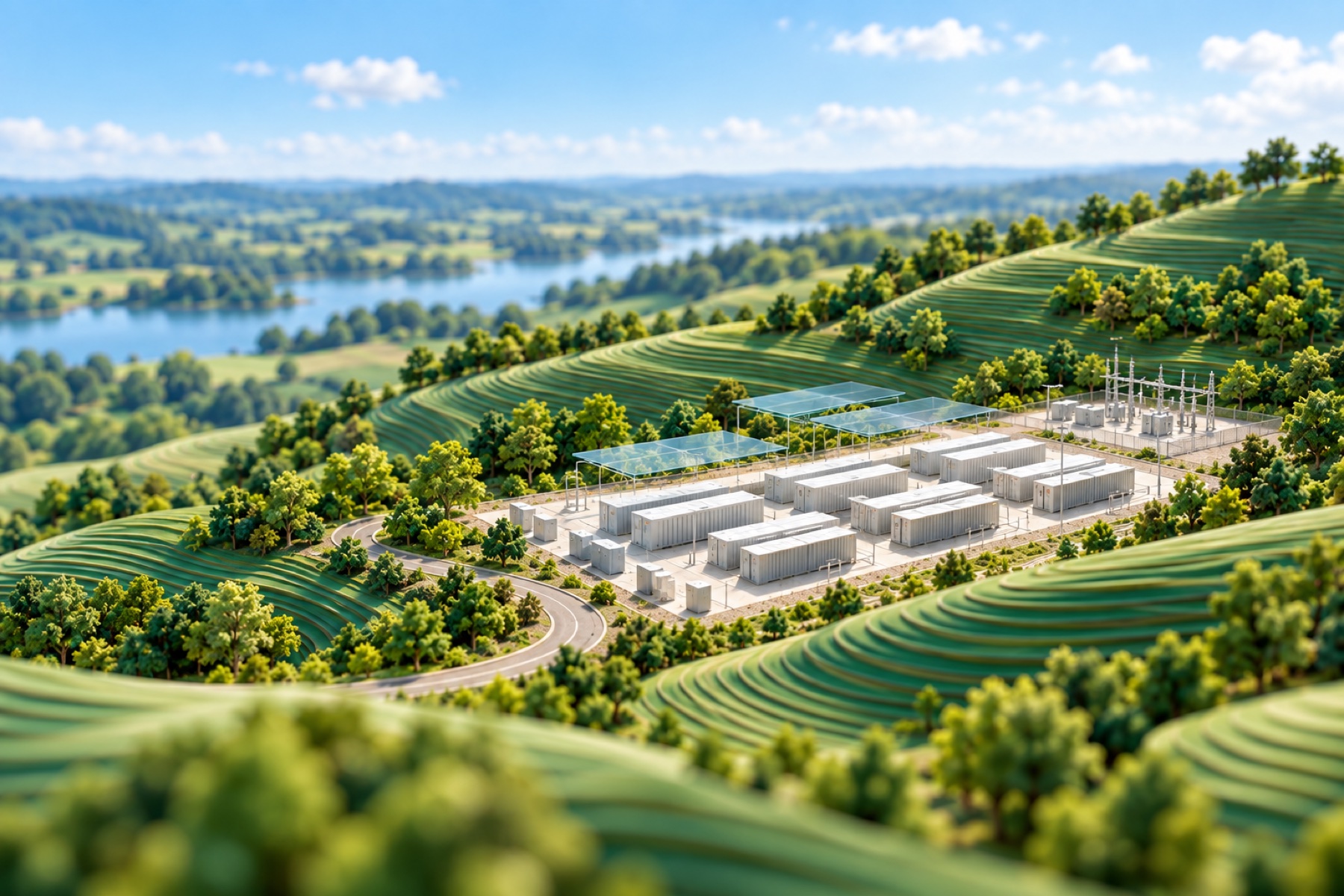
The adopted amendment places batteries in the agricultural special-use list and industrial permitted-use list. It also addresses systems for a local industry’s own consumption and batteries accessory to approved large-scale solar. Confirm which provision applies to the actual proposal.
Request a short description of what the battery would serve. Would it export to the grid, serve an existing business or operate with solar? Who would own and operate it? Which approvals does the company expect to obtain, and which are already in place?
Have the drawing show the whole area requested: equipment, access, screening, water facilities, cables and any work outside the fence. If the offer describes a small equipment site, find out whether construction or connection rights would affect a larger part of your property.
Mark the uses you want to keep on the same drawing. Include crop access, buildings, tenant entrances, drainage, deliveries and future building plans. Compare that drawing with the proposed option, lease or sale boundary before deciding how much land to make available.
Reference: Henry County: July zoning amendment, battery provisions on pages 16–19
| Proposed use | Question to settle |
|---|---|
| Standalone battery site | Which district and review route cover this parcel? |
| Battery for an existing industry | Does the actual use fit the accessory provision? |
| Battery added to solar | Which approved parcel and existing documents are involved? |
| Part of a larger tract | What land and rights are needed outside the equipment area? |
Check existing solar rights before adding storage
Virginia section 15.2-2316.10 provides a permitted accessory route for qualifying batteries within a parcel covered by an approved solar special exception, subject to a capacity condition. Safety, fire and environmental requirements still apply. Have the team confirm that the proposed system qualifies.
If solar already uses your land, take out the signed documents and approved plan. Check whether they authorize batteries, construction outside the existing fence, new access or additional electrical rights. A public land-use route does not settle what a company is entitled to do under your private agreement.
Discuss whether new rights mean new payments, different insurance or additional removal responsibilities. If the company says storage is already covered, request the specific document and provision it is relying on. Have your adviser review that explanation before agreeing to a revised drawing.
Keep the solar and battery responsibilities understandable. Who pays rent, maintains shared access, handles an incident and removes each system? Decide how notices and work would be coordinated if the systems have different owners or stop operating at different times.
Reference: Virginia Code §15.2-2316.10: batteries added to approved solar projects
Want to ask about your land?
Send the location and what you know. You don’t need a project plan.
Tell us about your landRead the application before giving owner consent
The county’s posted special-use package separates applicant and owner signatures. It allows an owner, tenant or contract purchaser to apply, with owner concurrence where needed. Its form authorizes county entry for inspections and signs. The package carries an older effective date; confirm the current filing instructions.
Review the completed form, request letter and concept plan together. Check the parcel, area, company names and description of the proposed use. A signature should be tied to a specific submission you have seen, with copies retained for your records.
Decide who may answer questions and revise the plan. If a developer or consultant will act for you, clarify the limits of that authority. Keep changes to the land agreement, waivers and additional easements subject to a separate review when appropriate.
Before reserving the land for a lengthy option period, get a schedule for the remaining public and electrical reviews. Discuss what happens if those steps take longer, who pays for extensions and when the company must release rights it no longer needs. Filing a complete application does not guarantee a favorable decision.
Reference: Henry County: posted special-use application and concept-plan instructions · Henry County, Virginia: Planning, Zoning and Inspections
Include emergency access and water in the layout
The battery article addresses Fire Marshal approval of a reliable water supply and acceptable emergency access. It also includes an emergency plan. Have the project team explain how the actual site will meet those requirements.
Show the company any shared driveway, narrow turn, bridge, gate or seasonal access problem. Establish which routes must remain clear and who will maintain them. If an emergency entrance crosses land you intend to keep using, include that arrangement in the rights discussion.
Find out where water would come from and whether new tanks, piping, easements or off-site facilities are proposed. Identify the land they would occupy and who would pay for installation, testing, maintenance and later removal.
Request a routine operator contact and a contact available during an incident. You should know whom to call about damaged access, blocked gates, unusual noise or a notice from the county. The operator should explain its response plan in plain language, including how contacts stay current after a transfer.
Reference: Henry County: July zoning amendment, battery provisions on pages 16–19
Compare removal funding with the actual agreement
The battery article calls for a removal-cost estimate without salvage value and county-approved security. Its industrial own-consumption accessory provision includes a decommissioning-plan exception. Ask which requirements apply to the proposal rather than assuming every battery has the same public removal protection.
Request the plan, estimate and proposed bond, letter of credit or other security together. Identify who can use the security, when it must be in place and how its amount stays sufficient. Then compare that protection with the company’s separate obligations to you.
Work through every part of the site: equipment, foundations, cables, fencing, access improvements and land disturbed during construction. Agree on what must be removed and how the land will be restored. If you want an improvement to remain, confirm whether that is allowed and who takes responsibility for it.
For a battery serving an existing business, discuss removal just as carefully even if a public-plan exception applies. Who pays if the business closes, sells the site or stops using the equipment? The land documents should address those events without requiring you to rely on an informal promise.
Reference: Henry County: July zoning amendment, battery provisions on pages 16–19
Send us the location and what you want to preserve
Start with your contact details and the property location. Tell us whether you would consider a lease, sale or only part of the tract. Acreage and a parcel number help when available, but are optional for an initial inquiry.
Mention current buildings, farming, tenants, driveways and existing energy agreements. Describe the parts of the property you need to keep using. If another company has approached you, tell us whether you have signed an option, lease or application.
You do not need to prepare a project design before contacting us. The first step is a property discussion. Further review needs to confirm the applicable rules, usable area, land rights and electrical route before any commercial arrangement can be evaluated.
Questions landowners ask
Do all Henry County battery proposals follow the same approval route?
No. Confirm the parcel’s district and whether the proposal is standalone storage, an industrial own-consumption system or accessory to approved solar.
Can adding a battery to solar change my existing land agreement?
Review the signed documents and proposed rights. A permitted public use does not settle the scope, payments or duties in a private option or lease.
What should I send if I do not know the parcel number?
Send your contact details, the property address or location and what you know about its present use. Acreage and parcel numbers are optional for an initial inquiry.
Sources & further reading
Sources checked 2026-10-05. Local rules and program details can change. Check the requirements for the actual project.
- Henry County, Virginia: Planning, Zoning and Inspections
- County-linked code library: adopted ordinances and June 2025 codification cutoff
- Henry County: adopted July 28, 2026 zoning amendment
- Henry County: July zoning amendment, battery provisions on pages 16–19
- Henry County: posted special-use application and concept-plan instructions
- Virginia Code §15.2-2316.10: batteries added to approved solar projects