
Check whether the proposal fits the solar-site provision
The Board’s August 19, 2026 action report records approval of ZTA 26:18. The accompanying ordinance includes section 22-28-23, which addresses battery additions on parcels covered by an approved solar special use permit. The ordinance states that it takes effect upon adoption.
The provision has specific limits. The battery project must stay within the parcel boundaries covered by the existing solar permit and satisfy the capacity comparison with the associated solar facility. Ask the project team to show how the actual proposal meets those conditions, using the permit and equipment information.
For a qualifying addition, the section removes the need for another county special use permit or other county land-use approval. It still requires compliance with applicable safety, fire and environmental rules and preserves county enforcement authority.
This is not a blanket answer for an undeveloped parcel, land next to a solar project or a battery design outside the provision’s limits. Ask county Planning and Zoning to confirm the route for the actual location and use. A solar project somewhere nearby is not enough.
Reference: Fluvanna County: August 19, 2026 Board action report, item 14 · Fluvanna County: August 19 meeting record with ZTA 26:18 ordinance, PDF pages 39–50 · Fluvanna County: Planning and Zoning Department
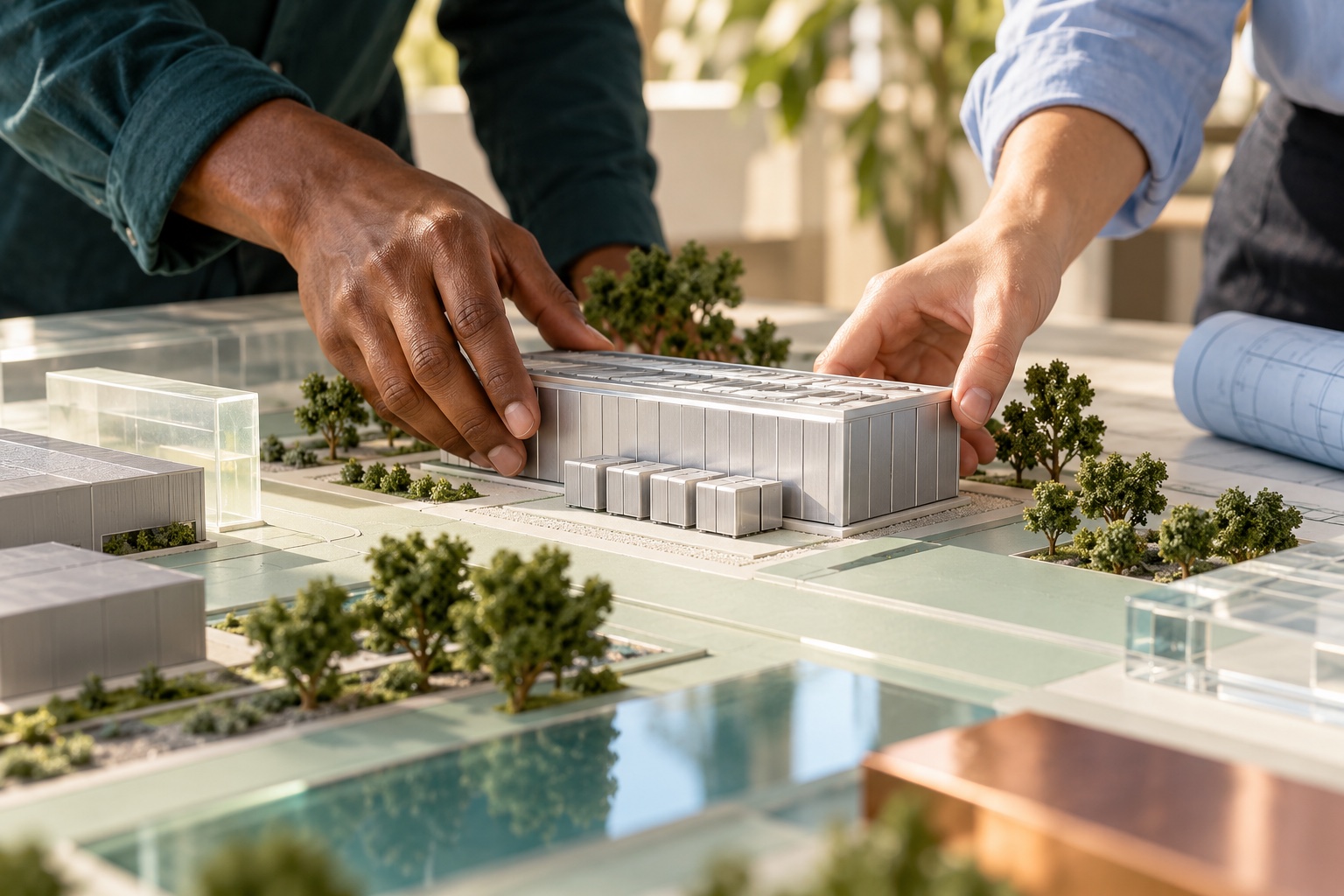
Match the approved parcel to the land you control
Ask for the solar permit, approved boundary information and a drawing of the proposed batteries. Identify the parcel covered by the approval, the land described in your lease and the area the battery would use. Those boundaries may serve different purposes.
A proposal can remain on the same tax parcel while using land outside an existing lease area. It might also require another entrance, cable route or construction area. Ask the team to identify any additional private rights it needs rather than relying on the statement that the project stays on the parcel.
If you own only part of the project land, establish which work would take place on your property. Mark retained fields, occupied buildings, tenant access and planned improvements. Ask how construction and maintenance would affect them.
Keep a dated copy of the proposed layout. If the design later moves, compare the revision with both the approval boundary and your agreement. Ask what changed and whether it expands the land commitment you were considering.
| Document | What to check |
|---|---|
| Solar permit and boundary record | Which parcel and area does the approval cover? |
| Existing land agreement | What equipment, land and access rights were granted? |
| Battery layout | Where would equipment and supporting work go? |
| Proposed amendment | What new rights, payments and duties are requested? |
Read the existing agreement before discussing an amendment
Start with the uses and equipment the agreement allows. Does it expressly address batteries, energy storage or later additions? Ask the developer to identify the provisions it believes authorize the proposal, and have the wording reviewed against the actual plan.
Check the land description and access rights separately. Permission for a use does not answer every question about the amount of land, road changes or work outside the agreed area. Ask for a clear comparison between the rights already granted and anything new being requested.
If the company wants an amendment, ask for a version that makes the changes easy to see. Look beyond the equipment description: dates, rent triggers, assignment rights, insurance, maintenance and restoration can also change. Discuss them before signing.
Keep the original documents, prior amendments and the proposed battery terms together. The useful question is what your agreement says and what the new proposal requires. A general statement that storage is an accessory use does not explain your private land commitment.
Want to ask about your land?
Send the location and what you know. You don’t need a project plan.
Tell us about your landSeparate your compensation from county project obligations
Ask what you would receive for any additional land, equipment rights or construction work. Would the existing payment continue unchanged, or does the company propose a separate payment? Request the amount, due date and event that starts it in writing.
The adopted battery section addresses the relationship between a qualifying addition and obligations associated with the solar permit or siting agreement. It does not set the rent in your private lease or supply a payment formula for a new amendment.
Ask the developer to identify which document it is discussing when it mentions fees or financial obligations. A county siting agreement, a tax provision and a private land payment are different matters. Have any claimed effect on your compensation checked against the signed documents.
Consider the time commitment as well as the payment. Would storage extend the period of project use, reserve another area while the design is investigated or change when land is returned? Ask what happens if the battery addition does not proceed after you agree to new rights.
Reference: Fluvanna County: August 19 meeting record with ZTA 26:18 ordinance, PDF pages 39–50
Make responsibility for shared equipment and removal clear
A solar-and-battery site may share an entrance, drainage system, electrical equipment or maintenance areas. Ask who will operate each part and who you contact about a blocked road, damaged fence or other property issue.
Request an explanation of the remaining electrical work. Does the connection arrangement cover the proposed battery, or are studies, changes or agreements still needed? Ask for the relevant evidence. An existing solar connection does not by itself answer what a new storage design can do.
Discuss removal and restoration specifically for the batteries. Which company is responsible, what land must be restored and what funding or security supports that obligation? Ask how the plan works if the solar and battery equipment reach the end of service at different times.
If a different company will own the batteries, review the proposed transfer and operating arrangements. Ask who remains responsible under your agreement and how notices, insurance and restoration commitments carry forward. Keep those answers tied to the actual parties and documents.
Send Sunland the location and the agreement question
Start with your name, email and phone, then the property location. Virginia and Fluvanna County are selected in the form and can be corrected. Acreage and a parcel number are optional.
Tell us whether the land already hosts solar equipment, has a solar approval or is simply being considered for a future project. Mention whether you have received a battery proposal and any deadline you are facing.
Describe the part of the property you could consider and the activities you want to retain. If you know the solar permit or project name, include it. You do not need a complete technical package to start a conversation.
An inquiry does not amend an existing agreement, grant entry or commit you to a lease or sale. It gives us a starting point to discuss the property and the information needed to review the proposed use.
Questions landowners ask
Does the August provision apply to any vacant parcel?
It addresses qualifying battery additions within parcels covered by an approved solar special use permit. Ask Planning and Zoning about a different proposal.
Does an accessory-use provision change my lease?
Do not assume it does. Review the actual equipment, land and access rights in your agreement and any amendment the company requests.
Will I receive more rent for batteries?
The county provision does not set your private rent. Ask the developer what payment it proposes and have the actual agreement reviewed.
Does an existing solar connection prove storage can be added?
Ask what the electrical documents allow and what studies or changes remain. The proposed battery design needs its own explanation.
Can I inquire before I have all the documents?
Yes. Start with contact details, the property location and the question you are facing. Acreage and a parcel number are optional.
Sources & further reading
Sources checked 2026-10-06. Local rules and program details can change. Check the requirements for the actual project.