
Start with the parcel’s approval history
A zoning district is only part of the picture. Your property may also have conditions from a rezoning, a use permit, an approved site plan or a variance. Ask the developer to identify those records and explain how its proposed battery use fits them.
Henrico offers a zoning confirmation letter describing regulations, permitted uses and development approvals for a particular parcel. The county notes that research into earlier approvals may be needed and that the letter cannot provide blanket assurances about every building or use.
If a written confirmation would help, agree with the project team on the question to ask. Include the parcel, proposed battery use and any existing solar approval. A general question about “energy use” can leave the most important distinction unanswered.
Keep the answer with the drawing and project description it addresses. If the proposed use or land area changes, ask whether the earlier answer still applies. You can make an initial inquiry before collecting all these records; the important step is to resolve them before granting rights you do not understand.
| Record to gather | What to compare |
|---|---|
| Parcel and zoning information | Does the proposal identify your actual land? |
| Approved plans and conditions | What uses and work areas were approved? |
| Proposed battery layout | What would be added or changed? |
| Current agreements | Who already holds rights over those areas? |
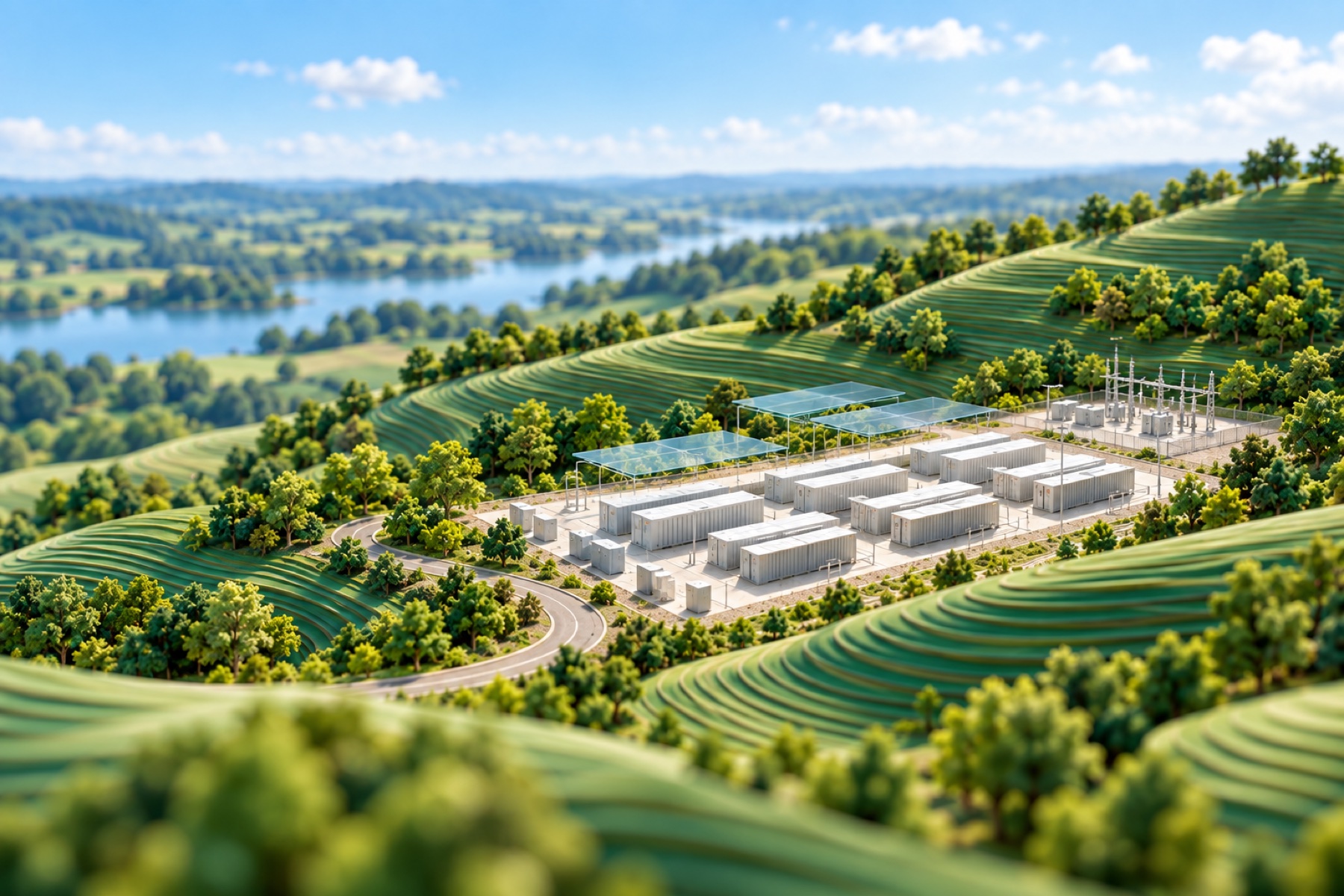
If solar is already approved, ask how the batteries would be added
Section 24-4314(A) allows an accessory battery project on a parcel with an approved solar array, subject to a capacity condition tied to that array. Ask the developer to explain the condition using the actual equipment ratings and confirm the proposed review route with Planning.
Show the original solar approval and the new battery layout together. Where would the enclosures, cooling equipment, access and cables go? Would the proposal occupy land you expected to retain or alter a road you use?
Read the existing solar agreement before signing a battery amendment. Does it already address storage, or is the company requesting additional rights? Ask your adviser to compare the allowed uses, boundaries, term and payments in the current document with the proposed change.
Clarify how the battery affects repair, insurance and removal responsibilities. If solar and storage have different owners or operators, who will answer your calls and carry out work on the property? Do not leave that responsibility dependent on the companies continuing to cooperate.
A separate storage proposal needs its own explanation
Under Section 24-4314(B), an energy storage project must have a siting agreement under the cited Virginia statute and comply with National Fire Protection Association standards. Ask the project team to explain how these requirements apply to its design, along with the parcel’s zoning and other approvals.
Tell the developer what the battery would share with your existing use. Would it serve a business on site, connect separately to the grid or be part of another energy project? A company should explain the proposed arrangement in ordinary language before asking you to reserve land.
Ask which approvals have been obtained and which remain outstanding. Who prepares the plans, responds to county questions and pays review costs? Your agreement should explain what you are authorizing and what happens if approval cannot be obtained.
Keep the county review separate from the electrical connection. Ask which utility or grid process applies and what work remains before a connection can be secured. A nearby substation or power line does not settle either question.
Want to ask about your land?
Send the location and what you know. You don’t need a project plan.
Tell us about your landPut all requested land rights on one drawing
The fenced battery area may be only part of the requested land. Ask for entrances, cable routes, drainage work, screening and temporary construction space on the same drawing. Mark where those areas overlap existing leases, access routes or future plans.
If the site is occupied, show tenant parking, deliveries, loading areas and emergency access. Can the existing use continue during construction? Who coordinates closures and handles damage or lost access?
If the property is vacant, identify the portion you want to keep available. A small equipment area can still affect how the rest of the parcel is reached or developed. Ask whether proposed rights would restrict a later sale, building or subdivision.
Walk through each phase with the company: surveys and testing, construction, operation and removal. Who may enter, how much notice will you receive and which routes may they use? Ask for a clear limit on temporary rights and a release process when work or the proposal ends.
Compare the offer with the decisions you would postpone
An option can give a developer time to investigate and seek approvals. Ask how long the land would be reserved, which extensions are available and what you receive during each period. Compare that timetable with your plans for the property.
Set out the payment triggers in plain language. What is due at signing, during construction and when operations begin? What happens if the company gets some approvals but does not build?
If batteries are being added to a solar lease, compare the total arrangement. Does the new document extend the term, expand the leased area or change payments? Ask what happens if the solar facility stops operating while the battery remains.
Identify who can transfer the agreement and who takes over its obligations. Keep a practical contact for maintenance and emergencies as well as the formal notice address. Before signing, have your adviser review the complete documents and attached plans.
Ask about the land after the equipment leaves
Describe the condition you want the property returned to. Ask the company to address battery foundations, cables, roads, drainage and temporary work areas, including anything you may want to retain.
For an existing solar site, ask whether the removal plan and funding account for the added batteries. If different companies own the equipment, who removes each part and who repairs the shared areas? The answer should cover the actual site rather than rely on a general promise to clean up.
Ask how removal funding is maintained, when estimates are updated and what evidence you will receive. Have your adviser compare the public requirements with the company’s commitments to you, including what happens after a transfer or if work is left unfinished.
Keep a record of the property’s condition before testing or construction. Photographs, the agreed drawing and a description of existing roads and drainage can help make later repair expectations specific.
Tell us about your Henrico property
Start with your name, email and phone, then the property location. Henrico County and Virginia are starting selections you can change. Acreage and a parcel number are optional.
Mention whether the land is vacant, occupied or already part of a solar agreement. If you have received a proposal, describe what the company wants to add and which document it has asked you to sign. You do not need a completed battery design to make an inquiry.
Tell us about any use or access you need to keep. Sunland can start with the information you have and may follow up. Further review would need to establish the approvals, rights, layout, connection and commercial fit. Sending the form does not file a county application or commit you to a lease or sale.
Questions landowners ask
Does an approved solar site automatically qualify for any battery project?
The accessory provision has conditions. Ask the developer and Planning to confirm how the proposed equipment, parcel and approvals fit them.
What can a zoning confirmation letter tell me?
It describes parcel-specific zoning information and approvals available in county records. It does not provide a blanket assurance about every use or building.
Should I sign a new document if I already have a solar lease?
Have your adviser compare the existing lease with the requested battery rights, boundaries, term, compensation and responsibilities before deciding.
Do I need a parcel number to contact Sunland?
No. Start with your contact details and the property location. The parcel number and acreage are optional.
Sources & further reading
Sources checked 2026-10-06. Local rules and program details can change. Check the requirements for the actual project.