
Confirm the parcel is being reviewed by Texas City
This guide concerns Texas City, not every property in Galveston County or Texas. Give the planning office the actual location and ask it to confirm jurisdiction and current zoning. A postal address alone does not settle the reviewing authority.
The city’s official directory links its code, zoning map, zoning search tool and flood maps. Use those as starting points for questions about the parcel. Ask the city to explain any difference between a map and the application’s description.
Posted Section 162.03 identifies the S-P Site Plan district for battery facilities. Have the city confirm the classification and review route for the proposed use. The linked online edition is labeled 2026 S-20; confirm any later changes with the reviewing office before relying on it.
Reference: Texas City: official code and map directory · Texas City posted code: Section 162.03, use classification
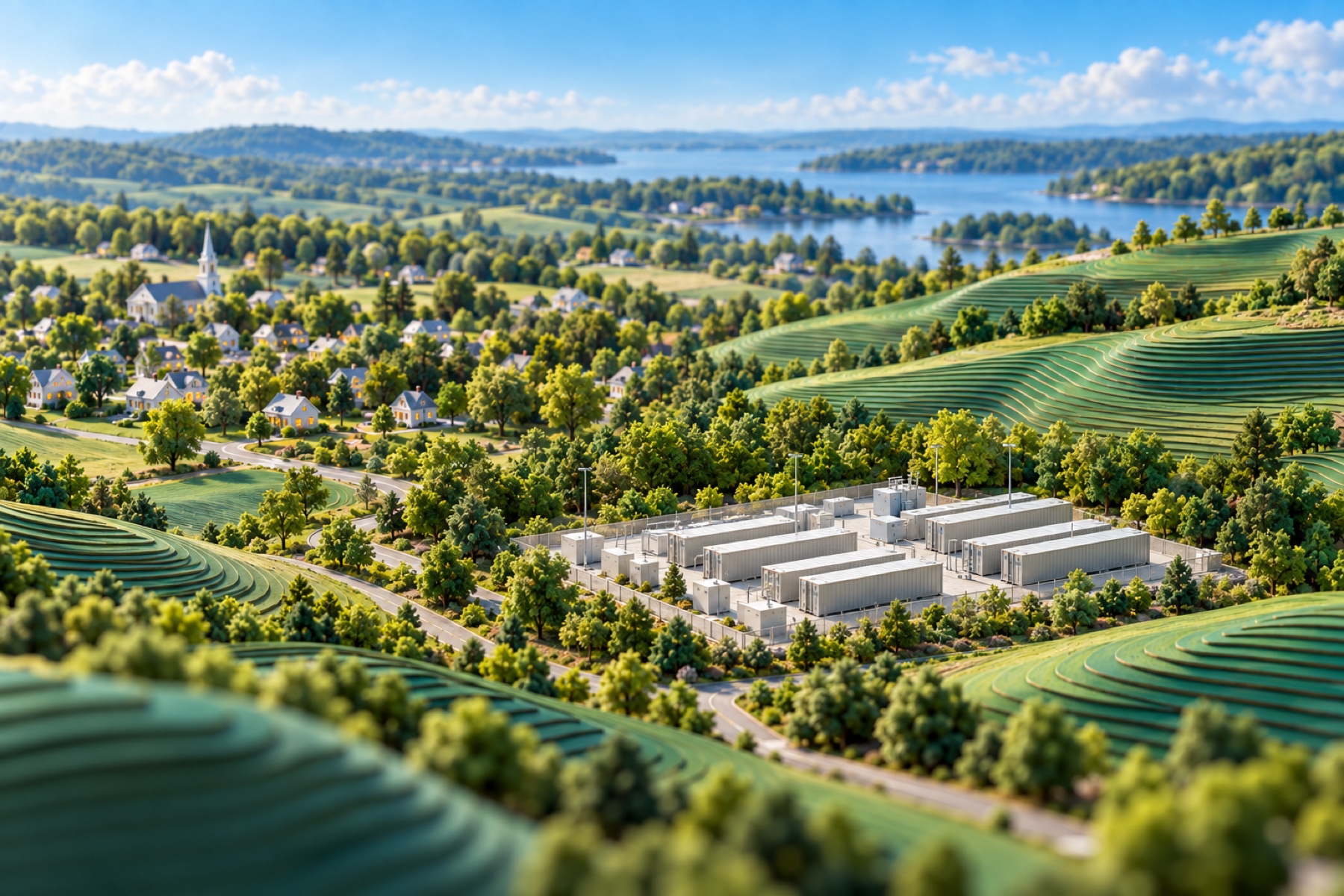
Request a plan for the whole site
Section 162.04 describes a battery development plan with container distances, nearby boundaries and structures, landscaping and illustrations. It says this review is additional to other required permits. A development-plan drawing should not be described as every approval needed to build.
Ask the company to show the battery area, roads, gates, screening, utility route and construction space together. Mark buildings, entrances and other uses you intend to retain. A plan drawn around the equipment alone may leave important land rights unexplained.
If you are offering only a portion of a tract, ask whether the requested rights extend beyond that portion. Where would crews turn, stage materials or reach the equipment? Which routes would you share, and could you still use them during maintenance?
Keep versions of the plan as it changes. Ask which layout changes need your agreement and whether additional occupied or restricted land changes the payment. Discuss that while the boundaries can still be negotiated.
Reference: Texas City posted code: Section 162.04, development plan
Discuss drainage and future building areas early
The posted location section addresses flood history, drainage issues, nearby infrastructure and access. It prohibits installation in a FEMA Special Flood Hazard Area or another site with a known flooding or drainage history. Ask the reviewing professionals to document the actual site findings.
Describe water movement as you know it: low areas, ditches, ponding after storms and routes used to reach the back of the property. Ask how the proposed grading and paved areas would affect those conditions.
Show any land you may develop later. Would a new building, road or subdivision change the available access or the relationship between the battery site and neighboring uses? Ask the company and city to address that proposed future use explicitly.
Keep the electric connection question separate. Request the intended utility, connection point and current project records. Neither a city layout nor a nearby line demonstrates that electrical capacity has been reserved for your land.
Reference: Texas City posted code: Section 162.05, location and area
Want to ask about your land?
Send the location and what you know. You don’t need a project plan.
Tell us about your landUnderstand what a deferral would leave for later
Section 162.05 allows certain platting requirements to be deferred for qualifying remote sites with satisfactory paved easement access. It distinguishes a deferral from a waiver and describes later compliance when surrounding development occurs.
Section 162.07 also describes a possible landscaping deferral for certain undeveloped locations. Its provisions allow that period to end and require the battery owner to install the landscaping after written notice. Ask which, if any, deferrals are actually proposed for your site.
Request the written decision and its conditions. What work is postponed, what ends the postponement and who receives notice? Ask for an explanation of the cost and how the company plans to fund it.
Have your agreement reviewed against that decision. If you develop the remaining land, would you be expected to fund roads, utility work or screening associated with the battery project? Identify the responsible party rather than leaving a later cost to an informal understanding.
A deferral can affect timing without making a requirement disappear. Ask how the company would handle later work, access disruption and any changes needed on land outside the leased area.
Reference: Texas City posted code: Section 162.05, location and area · Texas City posted code: Section 162.07, landscaping and screening
| Ask for | Resolve before signing |
|---|---|
| Full development plan | What happens on retained land? |
| Drainage findings | How would grading affect the property? |
| Deferral decision | What work would still be owed later? |
| Cost responsibility | Which company pays for that work? |
| Future-use drawing | Can you carry out your own plans? |
Start with your location and intended use
To contact Sunland, provide your name, email, phone and property location. This page selects Galveston County and Texas, and both can be corrected. Acreage and parcel number are optional.
Mention that the land is in or near Texas City and describe what you want to keep using or develop later. If you have received a plan, tell us whether it mentions deferred improvements or another approval still needed.
An inquiry begins a property review. It does not establish city permission, connection availability or a deal. Before signing an agreement, have your advisers compare the current public decisions with the rights and obligations in the draft.
Questions landowners ask
Do these city provisions apply throughout Galveston County?
Confirm the parcel’s reviewing authority. This guide addresses Texas City’s posted code and does not extend it to other municipalities or unincorporated land.
Does deferred landscaping mean it is waived?
The posted provisions distinguish postponement from later compliance. Ask for the actual decision, conditions and responsible party.
Can I plan to develop the rest of the property?
Show your intended future use when reviewing the layout. Discuss access, drainage and any improvement obligations that surrounding development could trigger.
What should I send to Sunland first?
Your contact details, the property location and a brief description of the land or proposal. Acreage and parcel number are optional.
Sources & further reading
Sources checked 2026-10-06. Local rules and program details can change. Check the requirements for the actual project.