
Get the current document for the proposal
The county ordinance directory links a 66-page solar document headed February 17, 2026. Section 3 addresses energy storage. The March 9 Board minutes record a 3–1 vote to adopt the solar ordinance, with a caveat that it would change as needed.
These records give you a starting point, rather than a permit for your property. Ask the county and project team to identify the current text, any later amendments and the approvals required for the actual design. A February document date and a March adoption vote describe different events.
Write down whether the offer concerns a standalone facility, an addition to an existing solar project or equipment serving a building. Ask for an explanation in ordinary language: where would electricity come from, where would it go and what would be built on your land?
A useful answer should name the proposal and the supporting documents. “Batteries are covered by the solar ordinance” does not explain which provisions apply, whether the site has approvals or what rights the developer wants you to grant.
Reference: Patrick County: current ordinance directory · Patrick County: posted February 17, 2026 solar ordinance, including battery provisions · Patrick County: March 9, 2026 Board minutes, adoption vote on page 27
Compare a solar addition with the land already committed
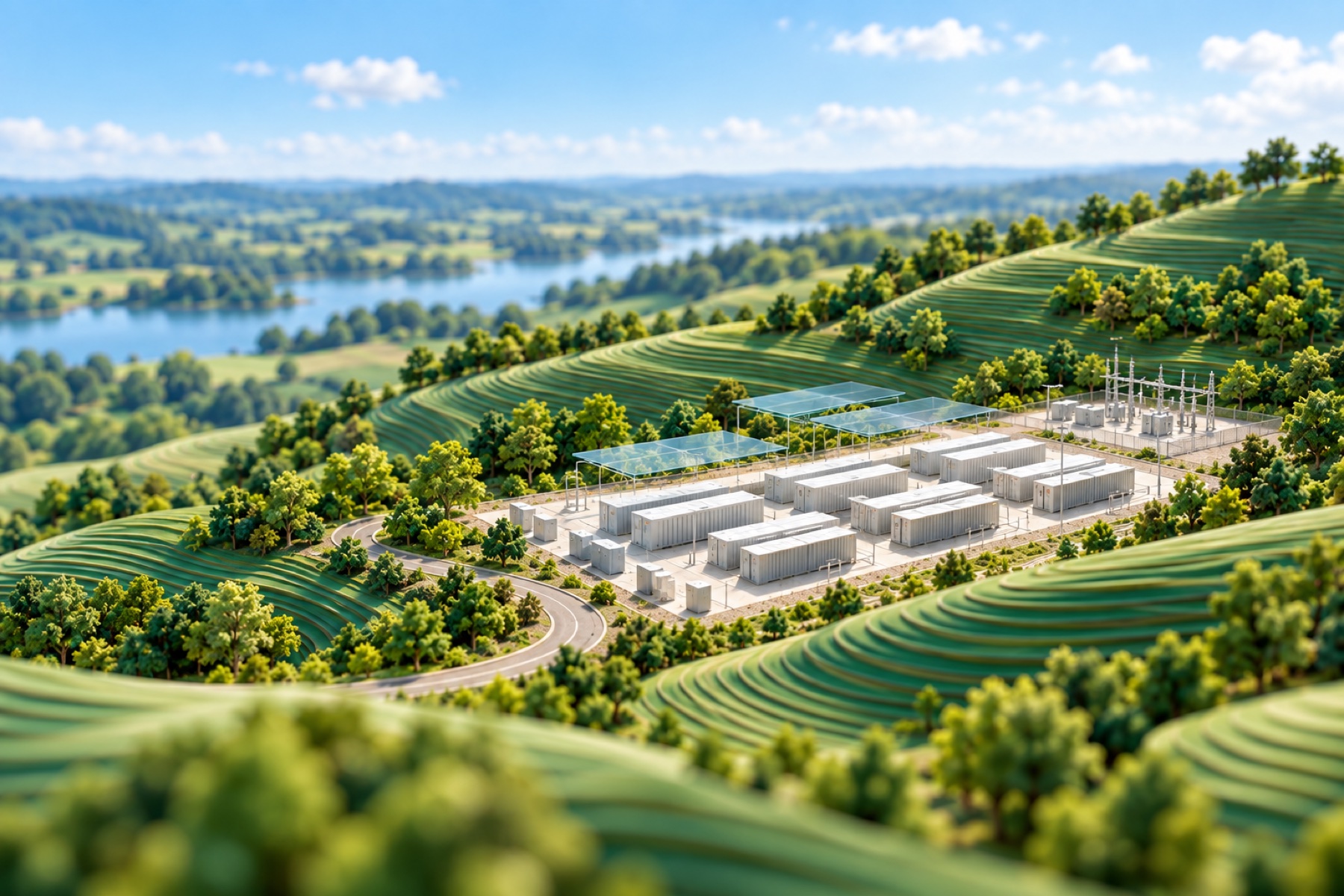
Virginia Code §15.2-2316.10 provides an accessory-use route for qualifying battery additions within parcels covered by approved solar special exceptions, subject to a capacity condition. Applicable safety, fire and environmental requirements remain. Ask the team to explain how the current statute applies to its proposal.
Request three drawings: the approved solar parcel, the land covered by your existing agreement and the proposed battery footprint. Include the entrance, cables, drainage work and temporary construction areas. A battery shown beside the solar panels may still require rights beyond the area you agreed to use.
Ask your agreement reviewer whether storage is included in the permitted use, whether another company may exercise that right and whether your approval is needed for changes. Discuss additional payments and additional land together. Public permission does not tell you what your private agreement pays.
If your property has no solar approval, do not use an accessory-use explanation as a substitute for reviewing the standalone proposal. Ask for the applicable route before agreeing to an investigation period or signing authority for an application.
Reference: Virginia Code: qualifying battery additions on approved solar parcels
Look at removal funding as well as the removal promise
The posted county text discusses financial assurance for removal. Its calculation deducts scrap or repurposing value from estimated solar-facility and battery removal costs. It describes county-held cash escrow or a letter of credit naming the county as beneficiary.
Ask for the actual estimate and funding document proposed for your project. Which equipment is counted? Who estimates its future resale value? What happens if removal costs rise, used equipment has little value or the operator cannot pay? Ask who would cover a shortfall under the private agreement.
Find out who can call on the funds and for which work. Money controlled by the county may serve a public removal process. Your lease also needs to explain repairs to your lane, drainage, fencing and any ground outside the equipment area.
Describe the result you want on the returned land. You may want pasture restored, a private lane retained or buried equipment removed. Have the plan, funding estimate and agreement describe those choices consistently. A sentence promising “restoration” can leave important details unanswered.
Reference: Patrick County: posted February 17, 2026 solar ordinance, including battery provisions
Want to ask about your land?
Send the location and what you know. You don’t need a project plan.
Tell us about your landKeep funding in place when the project changes hands
The posted removal provisions address a change in the responsible party and continued financial assurance until replacement funding is supplied. Ask how the actual instrument would be maintained through a sale or transfer.
Request the name of the company signing your agreement, the proposed operator and the party providing removal protection. Ask which duties remain with each company after a transfer. Keep current notice details so you know whom to contact about a missed payment or a damaged entrance.
Discuss how you would receive evidence of replacement protection. A new company name on a letter does not show that a bank instrument has been replaced, that insurance remains in force or that private obligations have been assumed.
If a developer asks you to approve a transfer, have your adviser compare the proposed changes with the existing terms. Ask what happens to unpaid amounts, unfinished repairs, guarantees and the land you are keeping available for other uses.
Reference: Patrick County: posted February 17, 2026 solar ordinance, including battery provisions
Decide what you can make available during investigation
Start with the parts of your property you could discuss and the parts you need to keep using. For example: “We could consider the lower field, but livestock still use the lane and we need access to the hay shed.” Put those needs on a map before an equipment layout becomes the basis of an agreement.
Ask when anyone may enter, what surveys or ground work are proposed and who repairs damage. Distinguish permission to gather information from permission to submit an application or reserve the land. Agree on notice, access and insurance before work begins.
Compare the option deadline with payments during the investigation period. Which payments are owed regardless of project progress? What would trigger an extension or the start of rent? Ask when unused land and recorded rights must be released if the project stops.
A nearby line or substation does not establish a connection for your property. Ask for the project-specific utility route, studies still needed and who pays for them. Keep those costs separate from the compensation offered for your land.
Tell Sunland about your Patrick County property
Use the form to send your name, email and phone number, then the property location. Say whether you are considering a lease or sale, a battery addition to existing solar or an initial discussion. Mention an offer or land agreement already in place.
Include the present use and anything that needs to remain accessible. Acreage and parcel numbers are optional if you do not have them handy. You do not need to commission a layout before asking about the land.
Sunland can review your starting information and may follow up for records or further details. An inquiry does not reserve your property or authorize entry. A possible project still needs review of the land, connection, permissions and commercial terms.
Questions landowners ask
Does the March adoption vote approve my battery site?
No. It records action on the ordinance. Ask which current requirements and project approvals apply to your parcel and design.
Does a solar agreement automatically include a battery?
Check the actual agreement and approved boundaries. Public accessory-use rules do not establish additional private rights or payments.
Is removal funding calculated without equipment resale value?
The posted county text deducts scrap or repurposing value from estimated removal costs. Ask for the project estimate and discuss who covers any shortfall.
Can I rely on a new operator to replace the removal protection?
Request evidence of the actual replacement instrument and assumed obligations. Review the public funding requirements and private transfer terms together.
Can I contact Sunland without a parcel number?
Yes. Start with your contact information and an identifiable property location. Parcel numbers and acreage are optional.
Sources & further reading
Sources checked 2026-10-06. Local rules and program details can change. Check the requirements for the actual project.