
Start with a normal working day
Write down what happens on the property before looking at the battery payment. Include deliveries, loading, vehicle storage, tenant parking, refuse collection and access to building services. Mark the busy times. An area that looks unused at noon might be essential when trucks arrive early in the morning.
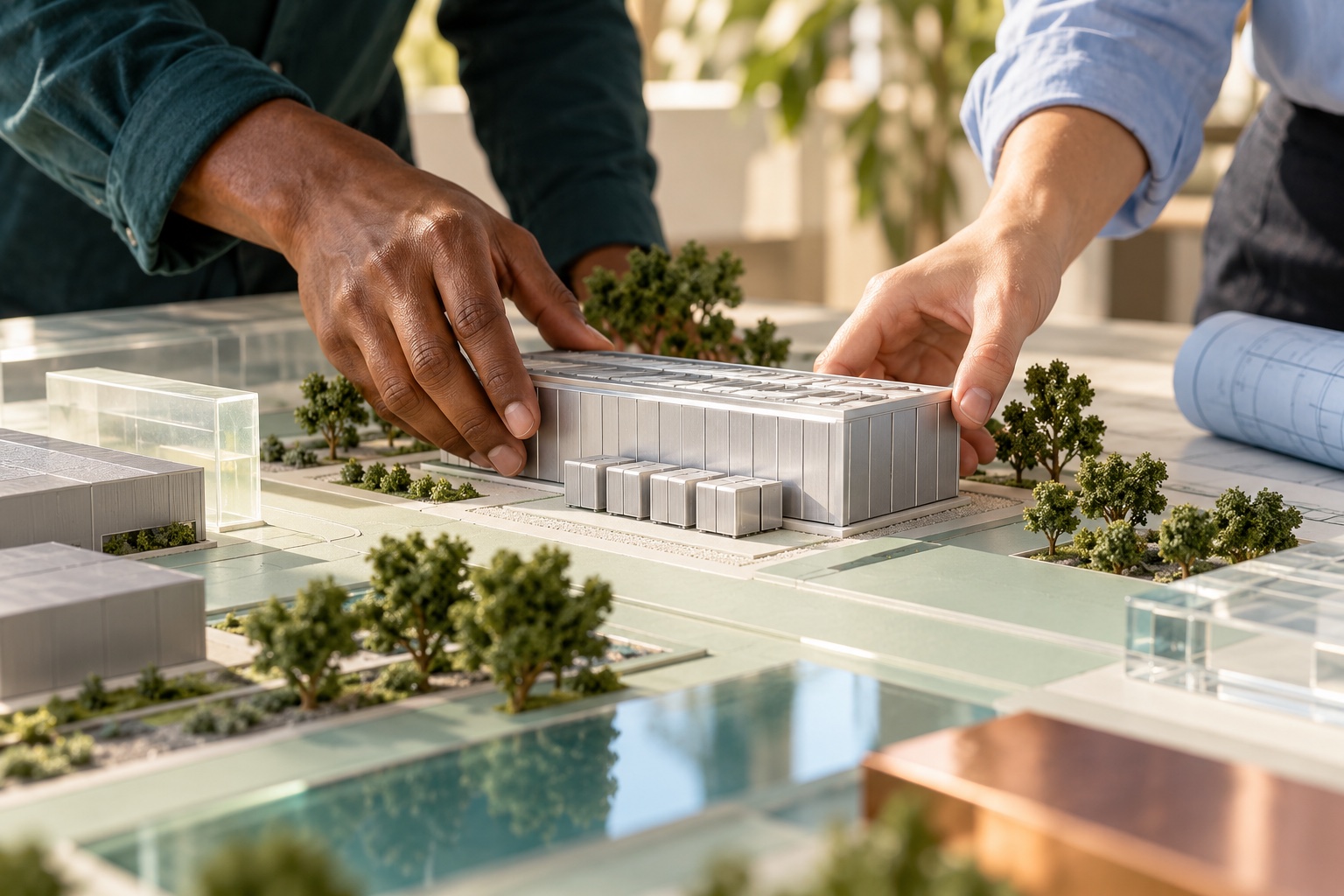
Ask the developer to put the proposed battery area on the same drawing as those activities. Show gates, loading doors and the space vehicles need to turn. Ask whether the business would still function when a battery contractor is on site, not just when the equipment is unattended.
If you expect a new tenant, a larger building or another use of the yard, explain that now. Find out whether the proposed rights would limit those plans. Compare an offer with the space and flexibility it takes from the property, rather than with the equipment footprint alone.
Use the Brooklyn proposal as a source of questions
The developer-submitted Battery Park Storage summary on NYSERDA’s website identifies a proposed project in the Greenwood Heights and Sunset Park area. It describes observations of pedestrian and vehicle traffic in an industrial setting, an option to purchase, environmental investigation and permitting still to be completed. Those are statements in a proposal, not a final approval or proof of operation.
The useful question for another owner is what the project team has checked about the actual site. Has it observed your deliveries? Does it understand which entrance a tenant uses? Ask what further surveys or investigations it wants and how that work would affect the business.
Request a written description of proposed study access. Who would enter, which areas could they reach and what notice would you receive? Ask who pays for damage and how the property would be left after testing. Have your adviser review those rights before allowing intrusive work.
Reference: NYSERDA: developer-submitted Battery Park Storage public proposal summary
Have city review explained for your address
NYC’s Department of Buildings describes full plan examination for energy storage filings and lists equipment, plan and fire-review documents for site evaluation. Ask the project team which filings apply to your design, what has been submitted and which decisions remain. A drawing used to discuss a lease may not be an approved construction plan.
FDNY publishes equipment Certificate of Approval information. Ask which certificate covers the proposed equipment and what separate review is required for its installation on your property. An equipment approval does not by itself answer the questions about the layout or rights at your address.
For zoning, ask a qualified professional to identify the actual district and applicable provisions. Section 37-21 addresses at-grade screening and enclosure in specified circumstances and has exceptions. Do not treat one section or a citywide zoning announcement as a complete parcel review.
Ask how screening, equipment service space and access affect the proposed boundary. Have the project team show those items on the layout. Your review should include the occupied space outside the battery containers, as well as the containers themselves.
Reference: NYC Department of Buildings: energy storage filing and site review · FDNY: equipment Certificates of Approval · NYC Zoning Resolution: Section 37-21, at-grade screening and enclosure
Want to ask about your land?
Send the location and what you know. You don’t need a project plan.
Tell us about your landResolve shared access before it becomes a daily problem
If the battery operator and your business would use the same gate, discuss who can enter and when. Ask how deliveries would be scheduled, who would keep the route clear and what happens if access is blocked. Include contractors and emergency access in the discussion with the project team.
Review tenant documents with your adviser. Which spaces or access routes have already been promised to someone else? Would construction interrupt a lease obligation? Identify whose consent is needed and who obtains it. The fact that you own the land does not settle every question about its current use.
Keep temporary construction space separate from permanent rights. Ask for a schedule and a drawing showing staging, truck movements and any entrance closures. If the company wants an area for construction only, ask when it would return that space and how the return would be documented.
| Part of a working property | Question to settle |
|---|---|
| Shared gate or driveway | Who can enter and how are deliveries scheduled? |
| Loading and turning space | Can the existing business keep using it? |
| Tenant area | Which current rights or consents need review? |
| Temporary work area | When and in what condition is it returned? |
Check site condition, payment and the end of the arrangement
Ask what the project team knows about past uses, fill, buried services and pavement. Have it explain the investigation it needs for your property. A finding or proposed environmental work at another Brooklyn site does not establish conditions on yours.
Compare the agreement with the latest drawing. Which land is reserved during the option period, which is occupied later and which access or cable rights extend beyond it? Ask when payments start, what happens if the project does not proceed and how unused space is released. Have the proposed terms reviewed before signing.
Describe the property you would want back at the end: a usable paved yard, working drainage, clear access or space ready for another tenant. Ask who removes equipment and foundations, who repairs surfaces and how that work is funded. Discuss what happens if the project company changes or stops operating.
Send the address and what you need to retain
Start with your contact details and the Brooklyn address or parcel reference. Tell us whether the property is an occupied yard, a parking area, vacant land or another commercial site. Mention any use or access you need to keep.
If you have an offer, tell us whether it proposes a lease, sale or use of part of the property. You do not need a completed layout to inquire. Sunland can follow up about the actual location, existing use and records needed to review the opportunity.
Any project still depends on its connection, design, land rights, approvals and commercial terms. An inquiry does not commit you to a deal or authorize an application on your behalf. An existing business can be discussed without assuming it would have to leave.
Questions landowners ask
Can I ask about land that a business still uses?
Yes. Explain the current use and the space or access you need to retain. The proposal would need to show how those activities could continue.
Does an approved battery model mean my site is approved?
No. Ask the project team to distinguish equipment approvals from the filings and decisions needed for the actual installation.
Is Brooklyn governed by a separate town battery rule?
Brooklyn is a New York City borough. Ask the project team to identify the city requirements and zoning provisions for your particular parcel.
Sources & further reading
Sources checked 2026-10-04. Local rules and program details can change. Check the requirements for the actual project.