
Start with the electric service and location
Give the parcel address or road, municipality and county. If Central Hudson supplies the property’s electricity, mention it. If the land has no account, explain that instead of inferring service from the nearest facility.
Ask where the battery would connect and whether the proposed route uses your whole parcel, another parcel or an existing customer’s service. Include the area you could offer and any parts you need for farming, business use or future development.
Choose the storage resource rather than a solar layer
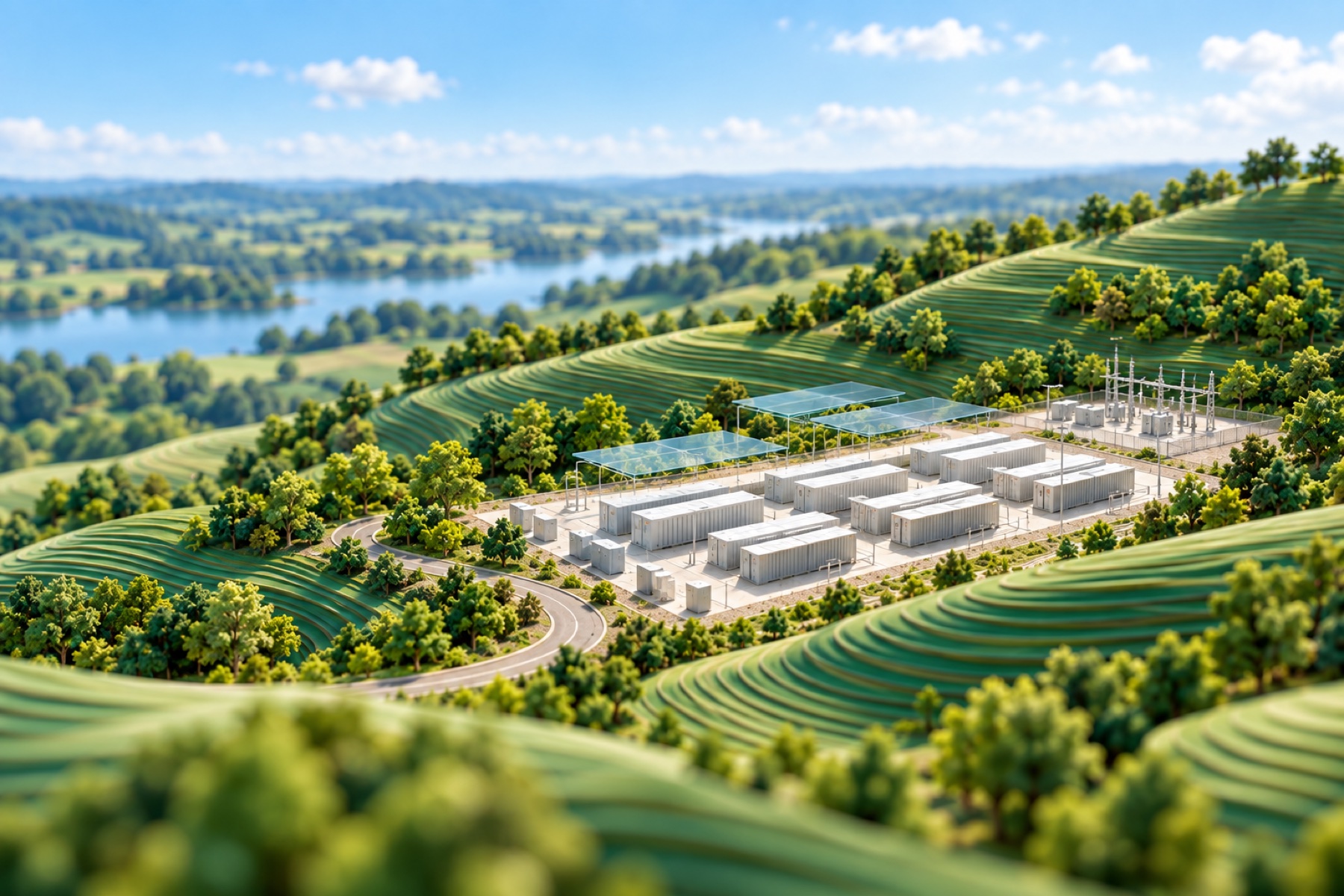
Central Hudson’s DG directory links to solar, energy-storage and load-serving maps, along with system data. It also distinguishes the standardized small-project route from its route for larger DG that does not qualify for NYISO’s process.
Ask which resource and connection process the developer has used for the actual battery. A project’s size and operation matter; the owner does not need to choose the application route. The developer should explain the reason for its choice and the review still required.
Reference: Central Hudson: distributed-generation and storage connection resources
Procurement participation is another step
Central Hudson’s published bulk-storage RFP uses two rounds. Its September 14, 2026 first-round deadline has passed; the page lists February 19, 2027 for second-round offers from selected bidders. The second round calls for more detailed connection costs, site control and schedule information. Consult subsequent notices for changes.
If a developer mentions this RFP, ask whether it submitted, was selected to continue or is only discussing the possibility. An owner inquiry to Sunland is separate from a bidder application. The public schedule does not create a deadline for you to make an initial property inquiry.
Reference: Central Hudson: 2026–2027 bulk-storage request for proposals
Want to ask about your land?
Send the location and what you know. You don’t need a project plan.
Tell us about your landUnderstand why land might be reserved during review
A developer may need land rights before every project decision is complete. Ask what it wants to hold, what investigation it can perform and what you receive during that time. Have the reserved equipment area, routes and temporary space identified as clearly as possible.
Find out how much the layout may change and when unused land is released. If the proposal depends on continuing through a procurement, identify what happens if it does not proceed. That uncertainty belongs in the option schedule and payment discussion.
Check connection costs against the retained property
A proposal may require a new line, road work or equipment outside the fence. Ask which items are included in the current budget and which are estimates. Find out whether construction could interrupt a business entrance or affect drainage and how that work would be managed.
For land with an existing electric service, ask whether that service changes or the project uses a separate account. Do not assume an existing transformer is usable without review. Keep your own operating needs visible alongside the battery design.
What to share at the start
Send the location and contact details. Add the utility, current use and approximate available area if known. If someone has approached you about the bulk RFP, mention the project name and the date or stage it cites.
You can start without a map result or completed study. Sunland may follow up for further records. Connection, local approvals and commercial interest still need to be established before there is a project or agreement to consider.
Questions landowners ask
Does a storage map reserve capacity for my land?
No. Ask for the project-specific connection work and remaining conditions.
Can any developer submit a second-round offer under the cited RFP?
The published page describes second-round offers from selected bidders. Check current notices and the actual bidder status.
Is a Sunland inquiry a Central Hudson bid?
No. It is an initial property discussion, separate from utility procurement and interconnection applications.
Sources & further reading
Sources checked 2026-10-04. Local rules and program details can change. Check the requirements for the actual project.