
Describe how the property is used now
Include the address and borough or municipality. Say whether the offered space is vacant land, a yard or part of an occupied commercial property. Explain which areas tenants, deliveries and customers need to keep using.
If the proposal includes a roof or indoor area, make that clear. Do not assume the same layout can move between a yard, building and roof without further work. Ask for the intended installation type before agreeing that an area is available.
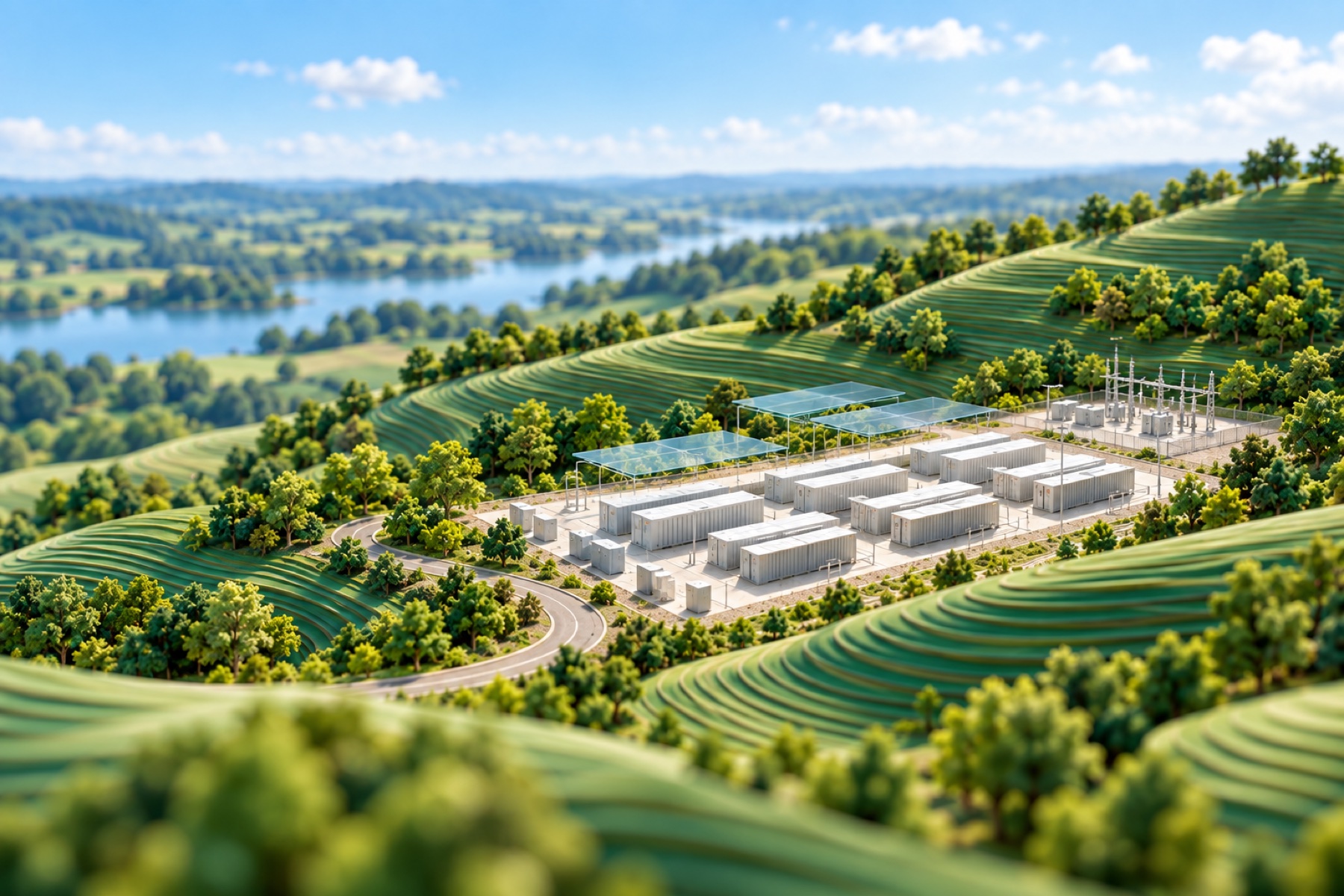
Choose the right system and storage values
Con Edison’s hosting-capacity page distinguishes underground network and overhead non-network systems. It describes storage capacity in terms of both charging and discharging. Its values are indicative and do not replace its connection review.
Ask which system serves the proposed connection and which storage values the developer reviewed. A map result for one operating direction does not explain the whole battery proposal. Keep the address, map date and proposed operation together so an early screen is not mistaken for a finished design.
Reference: Con Edison: storage, network and overhead hosting capacity
Show the connection route as well as the equipment
Ask how cables and equipment would reach the proposed connection. For an occupied property, include entrances, loading areas, parking and access to existing services on the plan. Find out what investigation or construction work could interrupt those uses.
Identify work inside your parcel and work that would need another permission. If a route is still uncertain, ask how much space the developer wants to reserve while it investigates. A small equipment footprint can leave important questions about access and construction.
Want to ask about your land?
Send the location and what you know. You don’t need a project plan.
Tell us about your landClarify the tenant and electric-account arrangements
Ask whether the project would use a building’s service or a separate account. Explain who holds the current account and who owns any existing solar or electrical equipment. The project team should establish the rights it needs from each party.
If someone promises lower building bills as part of the proposal, ask which bill changes, for whose account and under what arrangement. Keep that answer separate from the rent or sale price you receive for property rights. Do not count a tenant’s potential savings as a payment to the owner.
Make the usable area and payment terms specific
Request a plan covering the battery, electrical equipment, access and temporary work space. Note future building plans and areas that must remain clear. Ask how a revised design would be approved and when unused space would be released.
Compare the option period with the remaining connection and local review. Ask who pays for utility changes, investigation damage and restoration. The land agreement should identify payment triggers and responsibility for removal rather than leave those matters to an assumed utility approval.
| Property issue | Question for the project team |
|---|---|
| Occupied yard | Which access and deliveries continue? |
| Electric account | Existing service or separate project account? |
| Connection work | Where would cables and equipment go? |
| Compensation | What is paid to the owner and when? |
Start with the space you might offer
Send Sunland the location and your contact details. Add the current use, approximate available area and Con Edison as the electric utility if known. Mention tenant access, existing equipment and whether someone has already proposed a battery.
You do not need a capacity calculation to inquire. The next work is to establish whether the actual space, connection, approvals and commercial arrangement can support a project. An inquiry does not guarantee eligibility or a lease offer.
Questions landowners ask
Do I need both charging and export information?
The proposed operation needs to be explained in both directions. Con Edison’s storage resources distinguish charging and discharging.
Does a map value replace the connection review?
No. Con Edison describes the values as indicative.
Can I inquire about part of an occupied property?
Yes. Describe the space and the uses that need to continue; feasibility still needs review.
Sources & further reading
Sources checked 2026-10-04. Local rules and program details can change. Check the requirements for the actual project.