
Identify the property before comparing a proposal
Send the location or Suffolk County tax-map reference. Ask the responsible office to confirm the authority and zoning district for that parcel. A mailing address or a nearby project is not enough to establish which rules apply.
If a company has approached you, ask what use it proposes. Would the batteries serve an existing business or solar site, or would they be a separate project? Ask the team to identify the classification it would use in an application and the current provisions it believes apply.
Tell the project team what is already on the land and what you want to keep. Include current businesses, access, buildings, agricultural use and future plans. The first review should compare a specific proposal with a specific property, rather than assume an empty-looking area is available.
Keep the two review steps separate
The posted town article routes Tier 2 proposals through a Town Board special permit in specified districts and Planning Board site-plan review. It also distinguishes the storage tiers. Ask a qualified professional to explain how your proposed system is classified and which decisions it needs.
Request a written list of applications, submitted drawings and outstanding decisions. If someone says the town approved the project, ask which board made that decision and which plan it covers. A hearing, an environmental-review step and a final permission are different records.
Use the town’s agendas and minutes directory to locate the relevant meeting records, then request the actual decision and conditions. An agenda tells you what was scheduled; it does not show the outcome. Ask whether later revisions need further review and how you would receive those revisions.
Reference: Town of Riverhead: posted battery energy storage article, including June 2026 amendments · Town of Riverhead: official agendas and minutes directory
Look beyond the battery containers
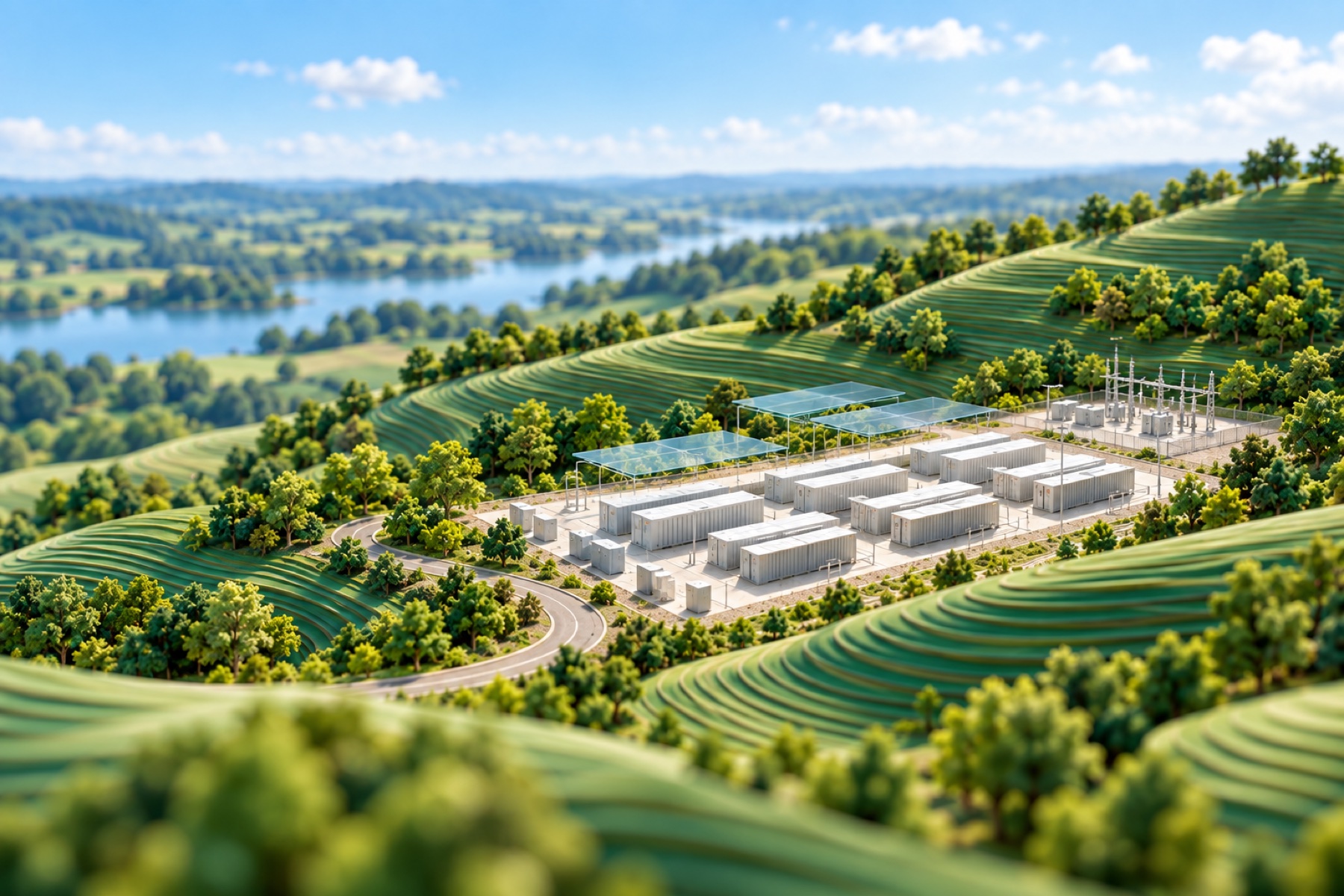
The article’s lot-coverage definition includes service roads and accessory equipment as well as battery structures and the spaces between them. It also identifies avoidance areas. Ask the project team to show the whole layout and the relevant site constraints.
Have the drawing distinguish equipment, fencing, access, drainage and temporary construction space. Ask which areas would remain available to you. If the design uses only part of the property, check whether the rest still has a usable entrance and access to the services it needs.
Ask the team how it investigated wetlands, preserved land or other constraints that may affect the proposal. Do not estimate a buildable area by subtracting the containers from the parcel acreage. Request an explanation of the actual surveys and reviews needed for your site.
Reference: Town of Riverhead: posted battery energy storage article, including June 2026 amendments
| Part of the proposal | What the owner should see |
|---|---|
| Equipment and enclosure | Dated boundaries and the space between structures |
| Roads and service areas | Access routes and who may use them |
| Site constraints | Areas to avoid and the basis for identifying them |
| Construction space | Temporary occupation and when it ends |
Want to ask about your land?
Send the location and what you know. You don’t need a project plan.
Tell us about your landUnderstand the consent you are being asked to give
The Tier 2 submission provisions include property-owner consent to the application and proposed use. Ask your adviser to explain the exact document before signing it. Application consent, study access and a lease or purchase agreement should each have a clear purpose.
Ask which layout the consent refers to and whether it authorizes later changes. Would the developer be able to enlarge the area, move a road or revise equipment without another discussion? Keep a copy of the dated drawing and document you approve.
If you are not ready to proceed, say which information you still need: the area requested, study work, payment terms or retained access. Discuss those questions before a timetable pressures you to sign. Have your adviser review any option period, extensions and the release of land if the project stops.
Reference: Town of Riverhead: posted battery energy storage article, including June 2026 amendments
Review removal funding and private obligations together
The posted article requires a decommissioning plan and a maintained fund for removal, and includes a separate hazardous-materials fee. Ask the project team to explain the applicable requirements and how its budget and agreement address them.
A public funding requirement is not a description of the land you would get back. Discuss equipment, roads, surfaces, foundations and buried services individually. Would the restored property be usable for the next purpose you have in mind? Have the written agreement describe that outcome.
Ask who performs and pays for removal, how estimates are kept current and what happens if the operator changes. Have your adviser check the obligations in the private agreement as well as the public approval. Do not assume a fee paid to the town settles every future cost between you and the project company.
Reference: Town of Riverhead: posted battery energy storage article, including June 2026 amendments
Send the location and what you know
Start with your contact details and the Riverhead address or tax-map reference. Tell us whether you would consider a lease, a sale or use of part of the property. Mention an existing business, solar project or other use you need to retain.
If there is already a battery proposal, tell us whether it includes a layout, application or consent request. You do not need a completed survey or permit package to inquire. Sunland can follow up about the records needed to review the actual property.
An opportunity still depends on connection, design, rights, approvals and commercial terms. Contacting Sunland does not commit you to a deal or authorize an application on your behalf. A nearby proposal does not establish available electrical capacity for your land.
Questions landowners ask
Is enough acreage all I need for a Riverhead battery site?
No. The parcel’s zoning, proposed use, usable layout, site constraints, connection and land rights need review together.
Is a Town Board decision the same as a completed site-plan review?
Ask which decision was made and which conditions remain. The posted Tier 2 provisions identify separate Town Board special-permit and Planning Board site-plan steps.
Does contacting Sunland give permission to file an application?
No. An inquiry starts a discussion. Any application consent or land agreement would require its own review and decision.
Sources & further reading
Sources checked 2026-10-04. Local rules and program details can change. Check the requirements for the actual project.