
Put the proposed connection on the property plan
Provide the parcel location, municipality and county. Include the electric utility on an existing bill if known. For vacant land without service, say so. A National Grid gas account alone does not establish the electric connection for a new project.
Ask the developer to mark the equipment area, entrance and intended connection point on one plan. A nearby line may be part of the discussion, but you should not have to guess which line it is or whether the project would use it. If the route is undecided, identify the alternatives and when the choice would be made.
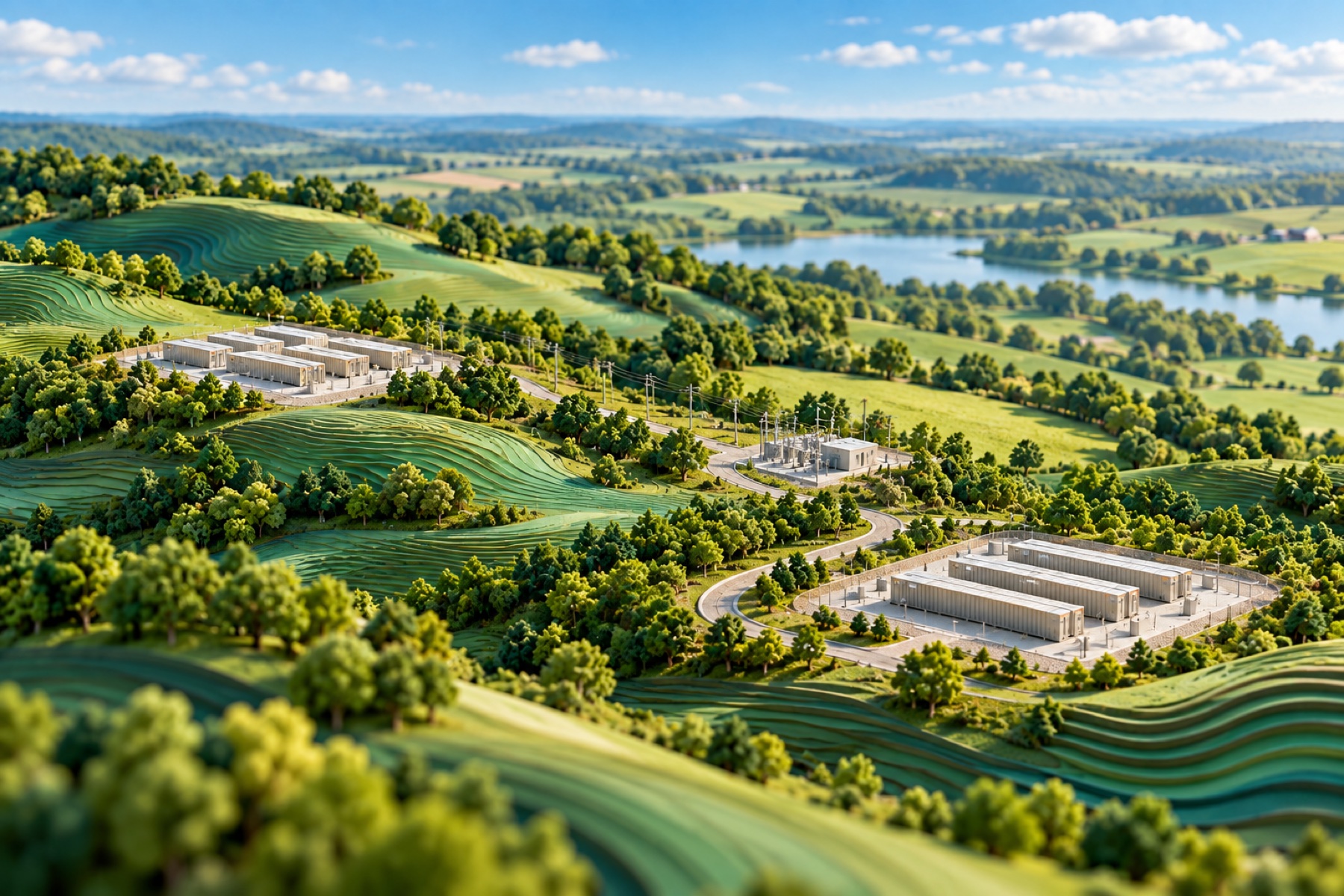
The New York portal describes the distribution system
National Grid’s NY System Data Portal contains distribution feeder and substation information, including voltage, loading and hosting capacity. It is a starting point for research into that system, rather than a study of your battery’s final design.
Ask which feeder or substation the developer investigated and whether the figures concern charging, export or another use. Keep the map date with the proposal. A promising screen still leaves questions about the actual connection, upgrades and cost. An owner does not need to interpret the engineering data before making an inquiry.
Reference: National Grid: New York distribution system data portal
A transmission proposal needs a different explanation
National Grid’s New York wholesale page identifies Niagara Mohawk’s transmission assets and links to NYISO connection resources. It also lists land-use and real-estate documents. These are separate resources from the distribution portal.
If a developer proposes a transmission connection, ask for its process, application reference if one exists and the present study stage. Find out which connection facilities would be on your land and which would need other rights. Do not assume a distribution map resolves the transmission proposal or that the closest substation is available.
Reference: National Grid: New York wholesale connection and real-estate resources
Want to ask about your land?
Send the location and what you know. You don’t need a project plan.
Tell us about your landSeparate the battery lease from the route to the grid
An equipment lease may cover only part of the land the project needs. Ask about cable corridors, access roads, utility equipment and temporary work areas. Identify any routes crossing a neighbor or a road, and who would obtain the necessary rights.
For a working farm or commercial property, show access you need to keep using. Ask whether the connection route could change after studies and how you would review a revised plan. Find out whether rights outside the equipment area end when the project ends or have different terms.
Compare the study schedule with the option period
Ask what must happen before construction can start and which steps could cause delay. Request a clear distinction between a budget estimate and an established upgrade cost. If the connection proves too expensive, find out whether the developer can redesign, extend the option or end the agreement.
Compare those choices with the payments and maximum time the land can be held. A project study does not itself start your operating rent. You should understand the compensation during investigation, the trigger for later payments and when unused land is released.
Start with a location, not an engineering report
Send Sunland your contact details and property location. Add the approximate area available, present use and electric utility if known. Mention a proposed connection or developer approach without guessing whether it will be approved.
We can begin with the information you already have. Further work must establish the connection, layout, approvals and commercial fit. A property inquiry does not reserve electrical capacity or commit your land.
Questions landowners ask
Is this the same as National Grid’s Massachusetts process?
This guide uses New York resources. Confirm the process for the actual state and proposed connection.
Does a distribution map prove a transmission connection is available?
No. Ask for the transmission proposal’s own route and study evidence.
Could the project need land outside the battery fence?
Yes. Request a plan identifying routes, access, utility equipment and temporary areas.
Sources & further reading
Sources checked 2026-10-04. Local rules and program details can change. Check the requirements for the actual project.